
Emergency Relief Coordinator calls for additional funding to address Ethiopia’s humanitarian needs and promote durable solutions
Add us as your preferred source on Google to see more of our content in Search.
 Add to Preferred Sources
Ethiopia is beset by “persistent and multi-faceted humanitarian problems”, the United Nations relief chief said calling for more international funding as well as support for the Government-led response to the country’s displacement crisis.
More than eight million people in Ethiopia need food, shelter, medicine or other emergency assistance.
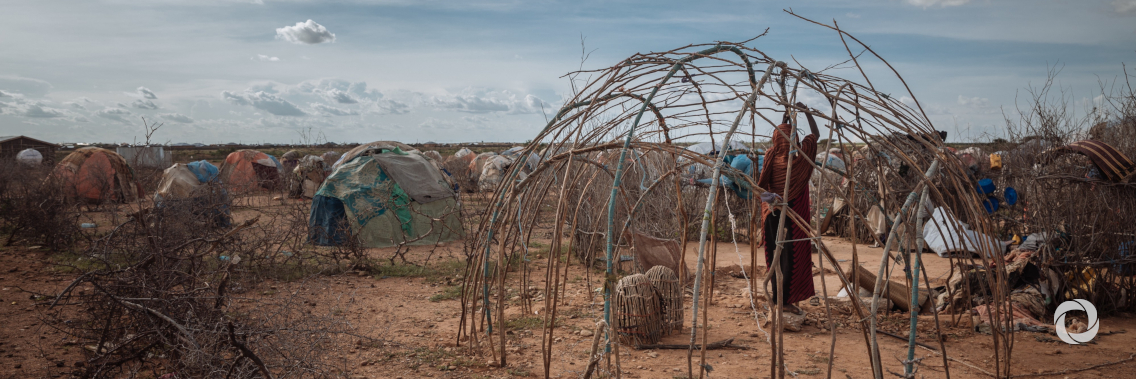
“Drought and flooding, disease outbreaks and inter-ethnic violence” have in recent years “forced millions of people to flee their homes”, said Mark Lowcock, who heads Humanitarian Affairs coordination office OCHA, at the end of a two-day mission to Ethiopia.
Humanitarian organizations are working with the local authorities and development partners to ensure internally displaced people have access to emergency assistance and basic services.
During the mission, the UN officials reaffirmed their commitment to the Government in helping the voluntary and safe return of all displaced people, or that they be integrated into new settlement areas.
Prior to the Government’s efforts to return people to their areas of origin, some 3.2 million internally displaced remain in Ethiopia, including 2.6 million who fled conflict and 500,000 who were displaced because of climate-related causes.
The 2019 Ethiopia Humanitarian Response Plan, which requires $1.3 billion, is only 51 percent funded and more is urgently required for nutrition, health, shelter, protection, education and other needs.
While aid is a critical lifeline for millions of Ethiopians, most humanitarian needs there are recurrent and predictable, requiring long-term solutions build resilience.
Original source: UN News
Published on 10 September 2019