
Add us as your preferred source on Google to see more of our content in Search.
 Add to Preferred Sources
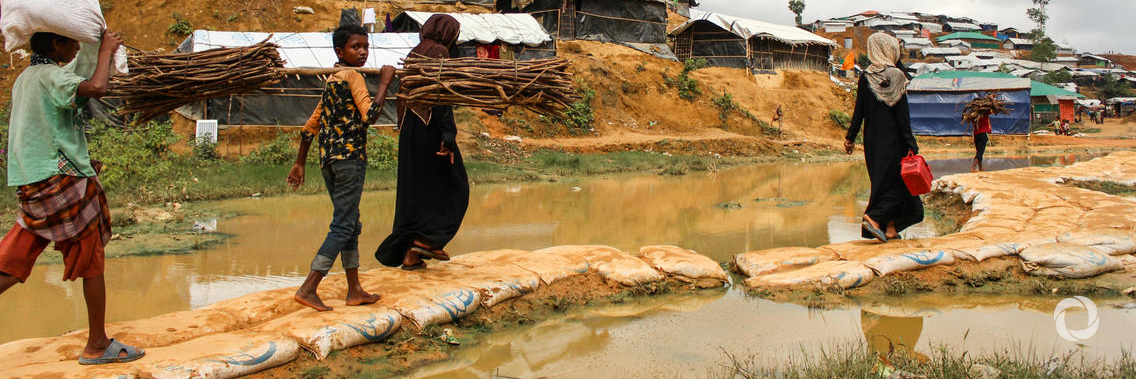
Unusually heavy monsoon rains have inundated shelters in refugee camps in southern Bangladesh creating “havoc”, the World Food Programme (WFP) said as it launched its biggest emergency response of the year for displaced Rohingya families.
At a regular briefing in Geneva, WFP spokesperson Hervé Verhoosel said that 16,000 people had received food assistance in just 24 hours – more than all those reached since the monsoon season began in June.
The flooding was “much bigger” than usual, Mr. Verhoosel insisted, adding that the area of Teknaf was worst-affected, thanks to record rainfall this week.
Host communities have also been badly affected, with more than 800 people temporarily displaced by flooding receiving food assistance.
In an appeal for funding, the WFP official explained that it costs $16 million every month to feed almost 900,000 refugees in Cox’s Bazar. For the time being, the agency has supplies prepositioned at strategic locations around the camps which can be distributed quickly. But without the continued support of the international community, their situation could deteriorate rapidly, Mr. Verhoosel maintained.
One of the problems Bangladesh faces is that it is a low-lying country which is prone to flooding during the monsoon season, which usually lasts until October.
The country has also had more erratic monsoons and downpours in recent years as a result of climate change which WFP has sought to counter, by planting 100,000 trees in the camps and host communities to mitigate landslides and flooding.
In addition, engineering and disaster risk reduction work has been ongoing for more than a year and the camps “are significantly safer than they were earlier”, Mr. Verhoosel insisted, citing slope stabilization works and better road and drainage systems.
Original source: UN News
Published on 13 September 2019