
Add us as your preferred source on Google to see more of our content in Search.
 Add to Preferred Sources
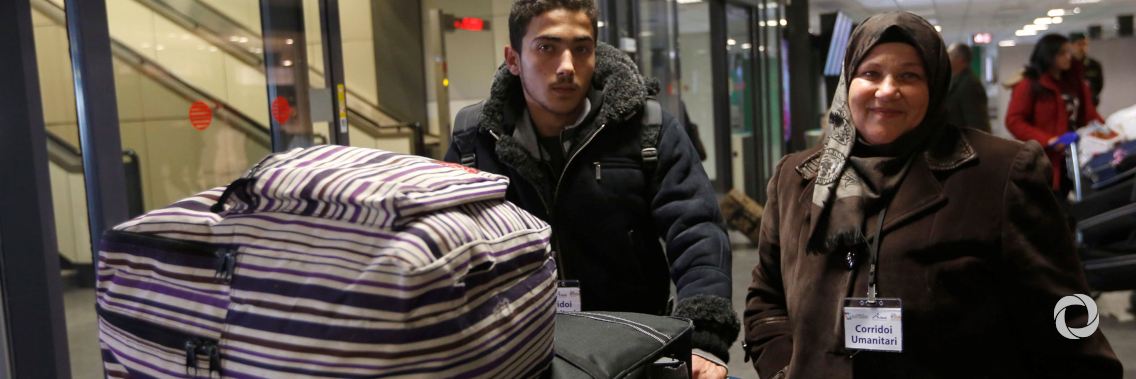
In Italy, the programme called Humanitarian Corridors is facilitated by an agreement between a consortium of religious organizations together with the foreign and interior ministries. It has been expanded to several other European countries.
The programme was selected as the regional winner for Europe for UNHCR’s Nansen Refugee Award — a prestigious annual prize that honours those who have gone to extraordinary lengths to support forcibly displaced and stateless people – for sponsoring refugees to resettle in Italy and start a new life.
In less than four years Humanitarian Corridors has brought more than 2,000 people to Italy and 350 more to France, in a legal way with a humanitarian visa in their hands. A recently signed agreement will allow 600 more refugees and other vulnerable people to travel from Jordan, Lebanon, Ethiopia and Niger.
On arrival, they apply for asylum and so far almost all have been granted international protection as refugees.
A growing number of extremely vulnerable refugees cannot either stay in their current host country or go home. They urgently need legal pathways allowing them to resettle in another country. This is why sponsorship programmes like Humanitarian Corridors are important because they provide a lifeline for those at greatest risk.
To help refugees to become self-supporting and integrate swiftly into Italian society, the organization offers a year of support including housing, legal aid and language classes. These are all paid for through its private funds.
“Through this programme we aimed to promote solidarity among people, sharing responsibilities with institutions. We strongly hope that safe pathways become the norm and no longer the exception,” said Oliviero Forti, head of Caritas Italiana’s migration policy and international protection office.
While the programme currently covers just a fraction of those arriving overall as asylum-seekers, the organizations behind it are actively working to provide a safer alternative to dangerous sea crossings for an increasing number of people. The organizations behind it hope to see it extended to refugees in detention in Libya.
Original source: UNHCR
Published on 18 September 2019