
Add us as your preferred source on Google to see more of our content in Search.
 Add to Preferred Sources
The World Bank approved an equivalent of $130 million in grants from the Crisis Response Window of the International Development Association (IDA) in support of the government of Mozambique’s Cyclones Idai & Kenneth Emergency Recovery and Resilience Project.
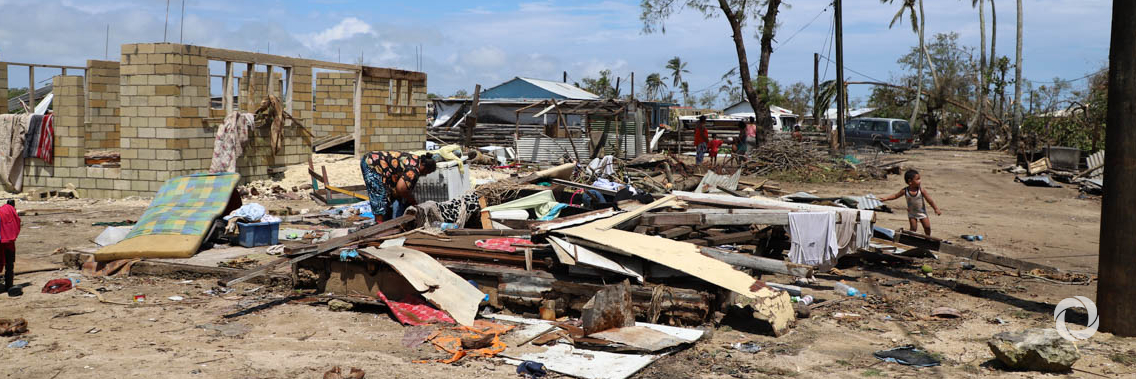
These funds will be utilized in the recovery of public and private infrastructure, restore livelihoods, and strengthen climate resilience in the areas most affected by the Cyclones Idai and Kenneth.
“More than 1.7 million people were affected by both extreme weather events, with damages and losses amounting to $3 billion,” noted Mark Lundell, World Bank Country Director for Mozambique, Madagascar, Mauritius, Seychelles, and Comoros. We have mobilized more than $500 million for Mozambique between realocation of existing funds and new funding, out of which we are allocating $130 million grants for this specific project, which complements other ongoing financings.”
Climate shocks are frequent in the country, negatively impacting growth and development on a regular basis. Furthermore, the provinces cyclically most affected by disasters tend to show higher levels of poverty compared to those least affected, and the poor tend to bear the brunt of these shocks.
“A large portion of the funding will be utilized in the repair and reconstruction of housing for selected vulnerable communities, as well as to rebuild public infrastructure,” noted Michel Matera, World Bank Senior Urban Specialist and the project’s task team leader. “We will also support the recovery of economic activities through the private sector in affected provinces.”
Indeed, approximately 15,000 housing units for an estimated 75,000 cyclone-affected beneficiaries in Sofala and Cabo Delgado will be funded by the project through a community-based and owner-driven resilient reconstruction approach. Other activities include the repair and reconstruction of markets, government buildings, public water and sanitation units; and the construction of multi-functional elevated flood evacuation sites and cyclone wind shelters.
Original source: World Bank
Published on 30 September 2019