
Add us as your preferred source on Google to see more of our content in Search.
 Add to Preferred Sources
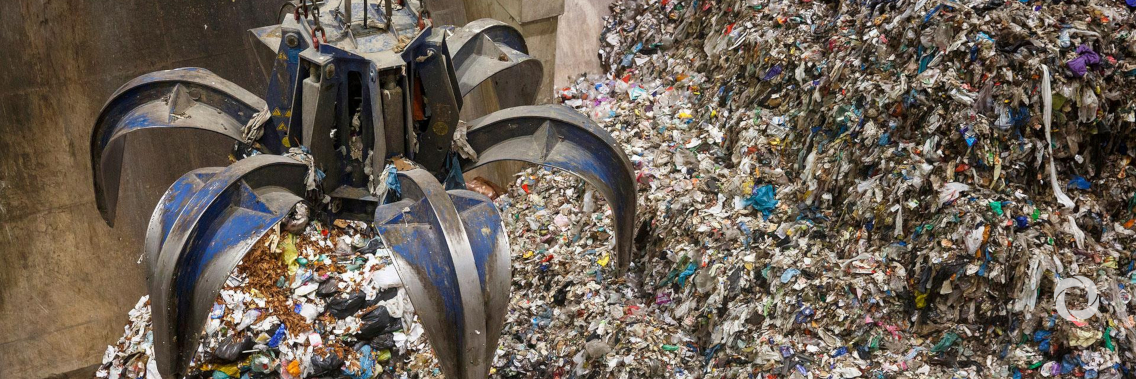
Waste that has piled up over 40 years in Belgrade’s Vinča landfill will be cleaned up and new solid waste management facilities will be constructed thanks to a joint investment by international lenders.
The EBRD is contributing a €72.25 million loan for its own account while arranging a syndicated loan of €35 million for the account of participants. In addition, the EBRD will mobilise €21 million in concessional finance funded by TaiwanICDF.
The investment includes the construction of an energy-from-waste facility, a facility for construction and demolition waste (CDW), the remediation, closing and aftercare of the existing landfill and the construction of a new EU-compliant landfill.
It will replace the existing landfill in Vinča, a suburb of Belgrade, which is unsanitary and reaching maximum capacity. Closing the old site – which poses a major environmental and health risk, including the pollution of the nearby river Danube – and improving solid waste management is a top priority for the government of Serbia and the City of Belgrade.
The new landfill will serve the growing population of the Serbian capital and create the conditions for the introduction of modern waste management and treatment technology in Belgrade. It will allow the city to meet the biodegradable waste landfill diversion as well as the CDW recovery objectives set by the EU Waste Framework Directive.
The project will promote the sustainability of the natural environment, support pollution prevention and reduce the degradation of ecosystems.
The energy-from-waste facility will be designed to produce energy from waste, thus contributing to reducing the dependence of Belgrade on coal and gas and boosting the share of renewable energy. It will have a capacity for a volume of approximately 340,000 tonnes per year of household waste and treatment of construction and demolition waste of 210,000 tonnes per year.
Original source: EBRD
Published on 02 October 2019