
Add us as your preferred source on Google to see more of our content in Search.
 Add to Preferred Sources
UN Climate Change Deputy Executive Secretary called on participants of the 8th Islamic Conference of Environment Ministers to provide moral leadership by taking ambitious action on climate change.
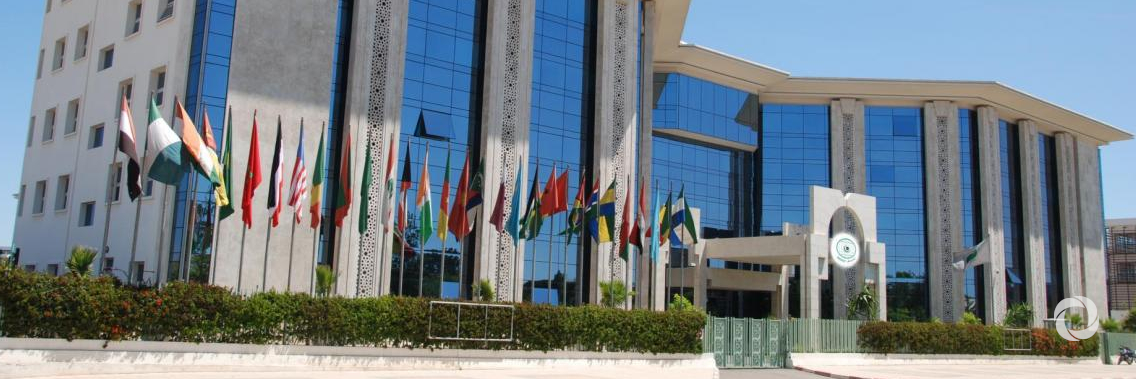
Speaking at the conference organized this week by the Islamic Educational, Scientific and Cultural Organization (ISESCO) in Rabat, Morroco, under the theme “The Role of Cultural and Religious Factors in the Protection of Environment and Sustainable Development.
“Islam has been a motivational force behind many advances in history and we call upon you to provide leadership on the most important issue facing humanity,” he said.
Mr. Sarmad spoke about the special vulnerability to climate change in the region, pointing out that according to IPCC modeling, an estimated additional 80 million to 100 million people will be exposed to water stress by 2025, putting more pressure on already depleted groundwater resources in the Middle East and Northern Africa.
“When it comes to the environment, there is probably no bigger issue for this generation—and the generations to come—than the challenge posed by climate change to our very existence and to the sustainable development of all nations”, he said.
Ovais Sarmad highlighted the importance of faith and religious leaders have when it comes to addressing the challenges posed by climate change:
“To overcome these challenges, we need to collectively ensure a low emission, clean and sustainable future. Achieving this relies in first place, on a transformational shift in the understanding of how we value the environment and each other. Not only Islam, but all other religions emphasize the duty of humans as stewards of the Earth and the role of teachers as appointed guides to mold and correct behavior, provide direction to take the right action on climate change.”
Original source: UNFCCC
Published on 04 October 2019