
Add us as your preferred source on Google to see more of our content in Search.
 Add to Preferred Sources
Cities around the world, large and small, face common challenges, especially due to rapid urbanization and climate change. According to United Nations (UN) estimates, four billion people – more than half of the world’s population – live in urban areas today. By 2050, over two-thirds of the global population will be urban, challenging cities to meet accelerating demand for affordable housing, well-connected transport systems and other infrastructure and services, as well as jobs.
In addition, rising global temperatures increase the risks of rising water levels, landslides, droughts, hurricanes, and other disasters. Without urgent action, these climate impacts could push an additional 100 million people into poverty by 2030, according to the World Bank.
The good news is that, armed with knowledge and creativity, urban centers are finding ways to tackle new and old problems alike, with fewer losses and greater recovery capacity – in other words, creating “resilience”.
The Catalyzing Sustainable Urban Futures global conference held recently in São Paulo, Brazil, which was co-hosted by the São Paulo City Hall, the Sustainable Cities Program, and the World Bank’s Global Platform for Sustainable Cities (GPSC), with the support of the Global Environment Facility (GEF), looked closely at this topic of “resilience”.
Representatives from four continents examined three global issues, with sustainability and resilience as an ever-present backdrop. The first was climate change, a concern that mayors can no longer afford to sidestep. According to the World Bank, cities consume about 2/3 of the world’s energy and account for over 70% of global greenhouse gas emissions.
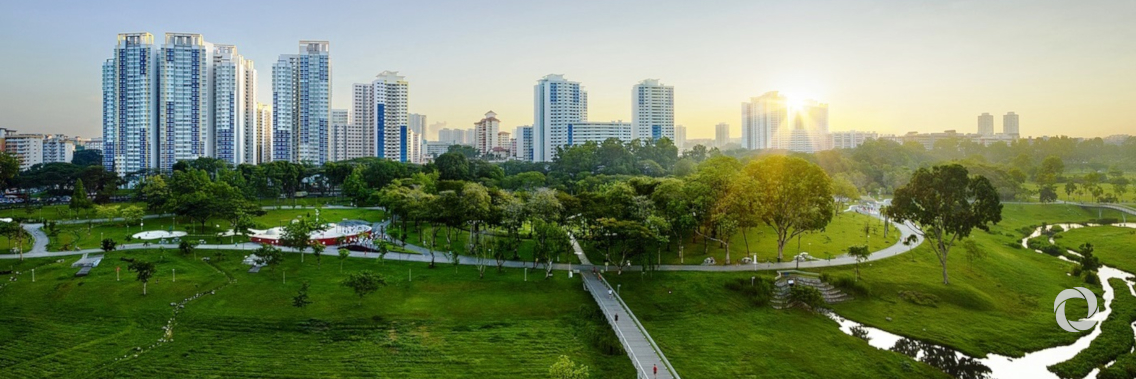
The second issue was the need for more green spaces – think about public parks with trees, birds, bees, and other species. Green spaces do not only help cities mitigate and adapt to climate change, but also serve as important places for human-wildlife coexistence – and a home for conserving urban biodiversity.
Third, there was a constant discussion about solid waste management. Without it, rivers will overflow and the air will be polluted by harmful substances, among other problems. With it, millions of people, including those in the recycling industry, will be presented with new opportunities.
Today, 90% of urban expansion takes place in developing countries, and much of it occurs near natural hazards, rivers, and coastal regions, in the form of informal and unplanned settlements. A lack of infrastructure and proper land use plans exacerbates the risks facing residents, especially in view of climate change. Thus, several cities are now devising their own mitigation and adaptation plans. São Paulo, for example, is set to launch its plan in June 2020.
Plans in developed countries are even more ambitious. Paris, France, has pledged to become a carbon-neutral city by 2050, enacting 500 measures in various industries, such as construction, transport, energy, and food. These measures include goals such as using only green energy (biomass, wind, and solar), banning diesel cars by 2024, and eliminating all cars running on petrol fuels by 2030.
Together, these measures create opportunities for cities to deliver growth that is green, low carbon and competitive – and to build societies that are resilient, inclusive, and livable.
Original source: World Bank
Published on 15 October 2019