
Associate Writer | A digital cash transfer program transforms lives and livelihoods for communities in Northern Kenya
Add us as your preferred source on Google to see more of our content in Search.
 Add to Preferred Sources
Communities living in Kenya’s North have evolved immensely from dependency on food aid to manual delivery of cash and now digital cash.
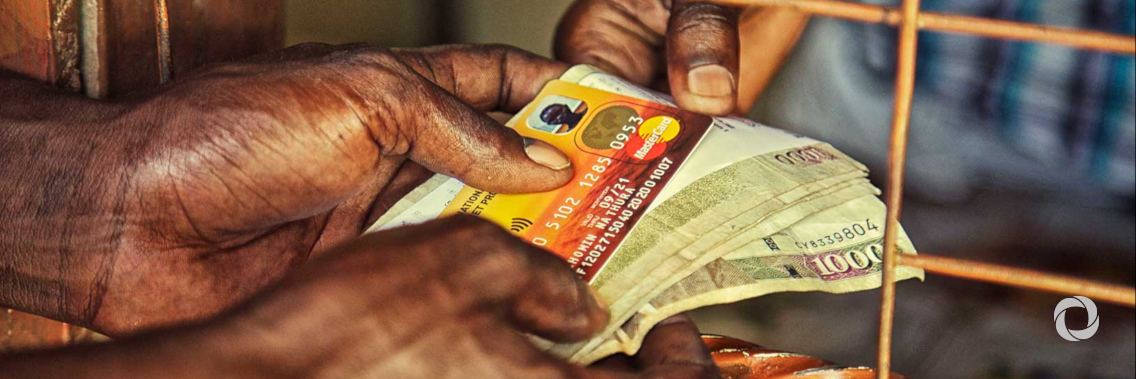
Food rations in the form of cereals or other dry food were previously delivered in truckloads. The trucks snaked through tough and insecure terrain to reach beneficiaries. This approach exposed stakeholders to risks and losses making it somewhat inefficient and unsustainable. Today, this same aid comes in a chip. Technology has proven a more simplified, cost-effective and secure means of delivering aid to communities living in some of the most arid regions of Kenya where hunger, poverty, and levels of literacy are still prevalent.
The push for cash transfers as an alternative or complement to food aid is being supported by the development partners, aid agencies, development practitioners and Government. This transition from food assistance to cash-based transfers has given the beneficiaries a voice. Beneficiaries can now choose what food support they want to receive and how they receive it, hence restoring their dignity.
The Safety Net Programme
The Hunger Safety Net Programme is a Government of Kenya cash transfer program delivering cash transfers in the four arid counties of Mandera, Marsabit, Wajir, and Turkana located in the Northern region of Kenya. This program has seen a digital evolution of cash delivery and access to financial services while informing cash transfer modalities in other programs both in Kenya and globally.
The program impacts
The payment design has enhanced financial inclusion. The beneficiaries operate a bank account that is used to receive their cash, making it a convenient and affordable model. It has also created a sustainable model for the Government, a concept-proof for scale-up into the future using the same infrastructure laid out through the years.
Read on for the Hunger Safety Net Programme impacts