
Add us as your preferred source on Google to see more of our content in Search.
 Add to Preferred Sources
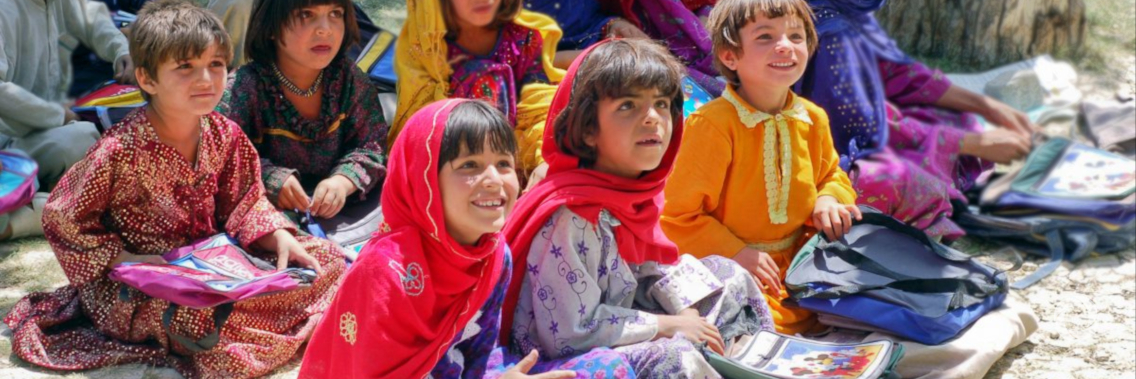
Last year, UNICEF reported that of the 3.7 million school-age Afghan children out of school, at least 2.7 million were girls. Globally, at the secondary level, there are seven refugee girls for every 10 refugee boys enrolled.
Many girls were pulled out of school to marry, while others had to start contributing to the household chores. In other parts of the country, girls are often the first students to be pulled out of school when the security situation deteriorates.
This combination of cultural expectations and poor security has had a devastating effect on education in the country. A 2016 survey conducted by the European Union and Afghanistan’s Central Statistics Office found that only 21.7 percent of girls are enrolled in either formal or informal education.
Investing in the education of refugees, the internally displaced, and those returning to their homelands, is the most powerful way for them to achieve self- reliance. It is also central to the future prosperity of their countries, or the places that have welcomed them.
Currently, UNHCR, the UN Refugee Agency, is working to construct a school building that would increase the capacity of students from 520 to some 1,000 boys and girls from the area. The school building should be open within the next three months.
The Global Refugee Forum – a high-level meeting in Geneva in December – will bring the private sector, humanitarian and development organizations, as well as governments together. It aims strengthen a collective response to refugee situations, among aims is designing innovative and sustainable ways to support refugee education in places including Afghanistan.
Original source: UNHCR
Published on 24 October 2019