
Add us as your preferred source on Google to see more of our content in Search.
 Add to Preferred Sources
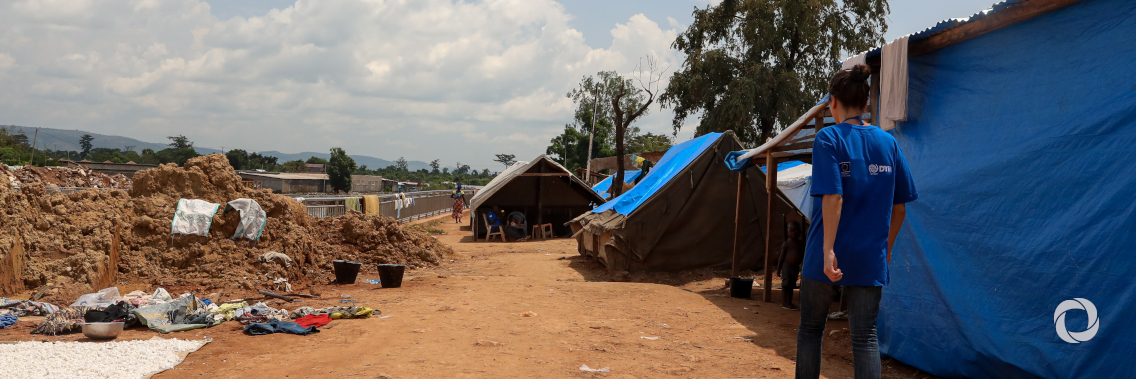
Heavy, unseasonable rains in Bangui, Central African Republic for the past three weeks continue to cause significant material damage, displacing at least 20,500 people and exposing to further danger a population that has weathered repeated cycles of violence since 2013.
Data collected by the International Organization for Migration (IOM)’s Displacement Tracking Matrix (DTM) reveals close to 20,500 people forced from their homes by the severe weather are now living in host families, adding pressure on a population already suffering from violence and endemic poverty.
Several other parts of the country have suffered damage, the scale of which is only gradually being revealed.
IOM has provided 1,000 emergency shelters to internally displaced people. IOM, together with the Central African Red Cross, is currently evaluating the needs of those displaced by the floods but it is clear the delivery of basic health, water, hygiene, emergency shelter and household items remains a priority.
Last week, DTM carried multi-sector evaluations in the four affected districts of the capital, the majority of which have been partially flooded since rains began on 21 Oct. The official number of people affected by the floods is expected to rise as the Red Cross, which oversees displacement site management planning, continues to register people living in displacement sites.
UN agencies such as UNHCR, WFP, WHO, UNFPA and UNICEF have already mobilized aid while international NGOs offer support for water, hygiene, sanitation and health needs.
The Displacement Tracking Matrix makes it possible to observe the movements of displaced persons, identify their main needs and make referrals for humanitarian assistance. IOM in the Central Afican Republic plans to launch multi-sectoral needs assessments and a households evaluation.
Original source: IOM
Published on 14 November 2019