
Add us as your preferred source on Google to see more of our content in Search.
 Add to Preferred Sources
A new report estimates the total cost of the impacts and effects of Hurricane Dorian on The Bahamas at $3.4 billion, with hundreds dead or missing and impacts on the economy that will last for years.
The estimate comes out to over a quarter of the country’s GDP – or the equivalent of the US losing the combined economic outputs of California, Texas and Florida. The magnitude of the losses requires a new development approach to achieve climate and disaster resilience in areas that range from location of settlements to redesigning infrastructure and strengthening environmental protection, according to the report, Assessment of the Effects and Impacts of Hurricane Dorian in the Bahamas.
The number of confirmed deaths caused by Hurricane Dorian is 67, with 282 persons still missing as of 18 October 2019. An additional 29,472 persons were affected by the hurricane by damages to their homes and assets.
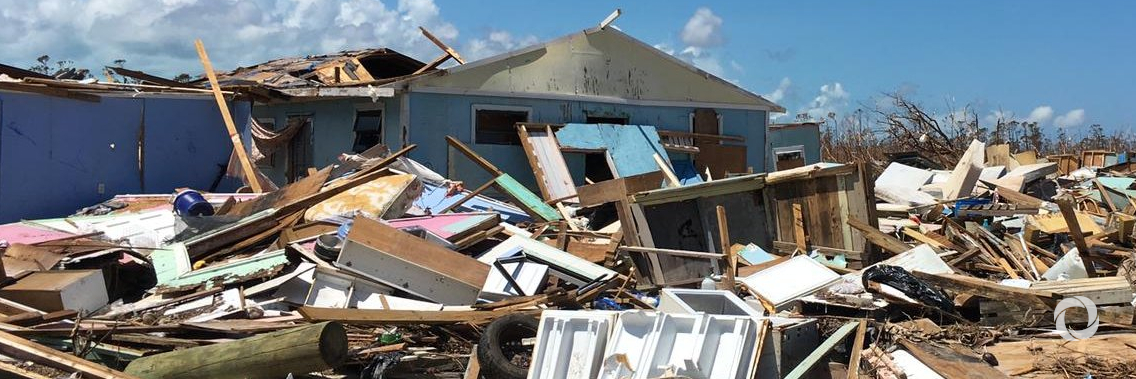
Between Sept. 1 and 3, Hurricane Dorian struck Grand Bahama and Abaco with punishing winds and storm surges, with the island of New Providence also suffering some impacts. Inadequate construction and infrastructure located in vulnerable areas exacerbated the storm’s impacts.
“It is important that those directly affected by the disaster feel the presence and solidarity of the government throughout the difficult process ahead,” said Daniela Carrera-Marquis, the representative of the Inter-American Development Bank (IDB). “Reconstruction efforts will last many years and will require well-coordinated participation of public and private sectors, civil society and the international community.”
The government of The Bahamas asked the IDB to assess the impacts of Hurricane Dorian. As part of a long-standing partnership, the IDB teamed up with the United Nations Economic Commission for Latin America and the Caribbean (ECLAC) for technical assistance with the valuation. The taskforce was complemented by the Pan-American Health Organization (PAHO).
“Hurricane Dorian left a trail of destruction to houses, essential infrastructure and entire ecosystems that will require major investments,” said Omar Bello, Coordinator for the Sustainable Development & Disaster Unit at ECLAC and a lead author of the report. “The economy and livelihoods will be impacted for years to come from the temporary absence of damaged assets, especially those of tourism and fisheries.”
The $3.4 billion impact was divided as 72 percent in damage, 21 percent in losses and 7 percent in additional costs with the private sector absorbing almost 90 percent of total losses. Abaco suffered 87 percent of the losses and 76 percent of the damage.
The housing sector suffered the highest damage, while tourism sector bore most of the losses.
Post-disaster the economy is expected to grow 0.9 percent. The impact of Hurricane Dorian is percentage point of GDP, resulting in a decrease in salaries of $51.3 million and of capital income of $60.9 million.
As a long-term prospect for The Bahamas, achieving disaster and climate change resilience will require rethinking development strategies, the location of settlements, redesigning infrastructure, securing better data and information management, and strengthening environmental protection as a first protection barrier against natural hazards, according to the report.
Original source: IADB
Published on 15 November 2019