
Associate Writer | Location, location, location: how commuting costs affect job opportunities in Kigali

Add us as your preferred source on Google to see more of our content in Search.
 Add to Preferred Sources
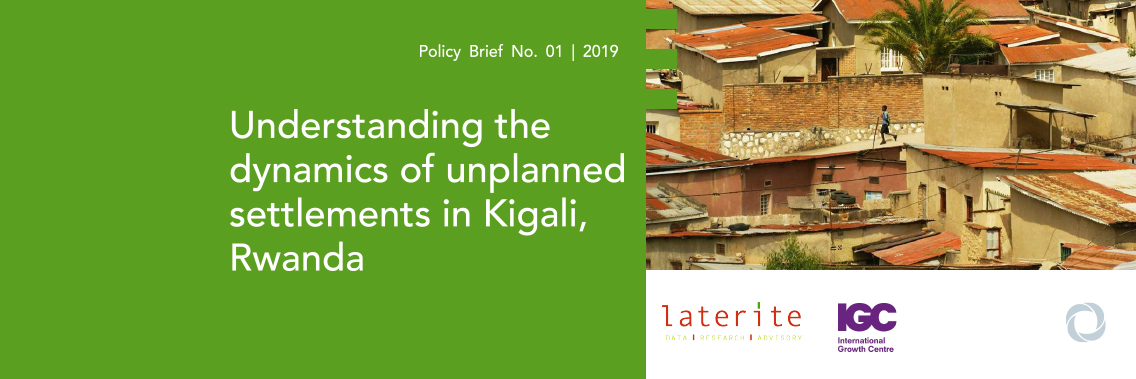
Kigali is Rwanda’s capital and home to half the country’s urban population. The city is growing fast and every day more people arrive looking for jobs and a better future. The result of this rapid growth is sprawling unplanned areas, often with poor access to public transport and public services such as electricity and running water.
Most of the people in Kigali live in an unplanned settlement, yet until recently little was known about their daily life. Where do they work? How much do they earn? Do they rent or own their homes, and how much does this cost? How long is their daily commute?
Laterite set out to find out the answers to these questions and learn more about the dynamics of unplanned settlements in a project with the City of Kigali, funded by the International Growth Centre. For the study, Laterite talked to over 1,500 heads-of-household in unplanned areas and collected data through a combination of face-to-face and SMS interviews.
The study found that about 65% of the adult residents are Rwandans who moved to the city in search of paid employment or business opportunities. Most live in rented accommodation that costs about one-third of their monthly income. Access to primary services (such as non-contaminated water and sanitation) is widespread, but the quality of housing is variable.
A major pain point is commuting. Around 70% of the working heads-of-household travel to work by foot. For most, taking a job outside walking distance would mean an added expense of about 20% of the monthly wage. The problem is compounded by poor infrastructure, unreliable bus services and with long waiting times.
Laterite’s Policy Brief suggests a couple of practical solutions that could help mitigate the issue.
The first is to ensure that plans for redevelopment include strategies to attract jobs and improve transport. A gradual approach to redevelopment focused on attracting economic activities and improving public transport has a better chance of improving living conditions than rapid development.
The second is to improve commuting. Providing affordable options with structured bus fares together with affordable housing will go a long way to improve worker mobility and prevent areas of high unemployment at the city’s periphery.
Read and download the Laterite Policy Brief: Understanding the dynamics of unplanned settlements in Kigali.