
Add us as your preferred source on Google to see more of our content in Search.
 Add to Preferred Sources
Over the past 40 years, around three million Afghans have sought safety in Iran; nearly one million are registered as refugees, while some 1.5 to 2 million remained undocumented. An additional 450,000 Afghan passport holders live in Iran to work or complete their studies.
It was not ideal, but while registered refugees in Iran could go to formal schools, Afghans who fled conflict but were unable to acquire refugee status could only attend these types of informal, self-run learning centres.
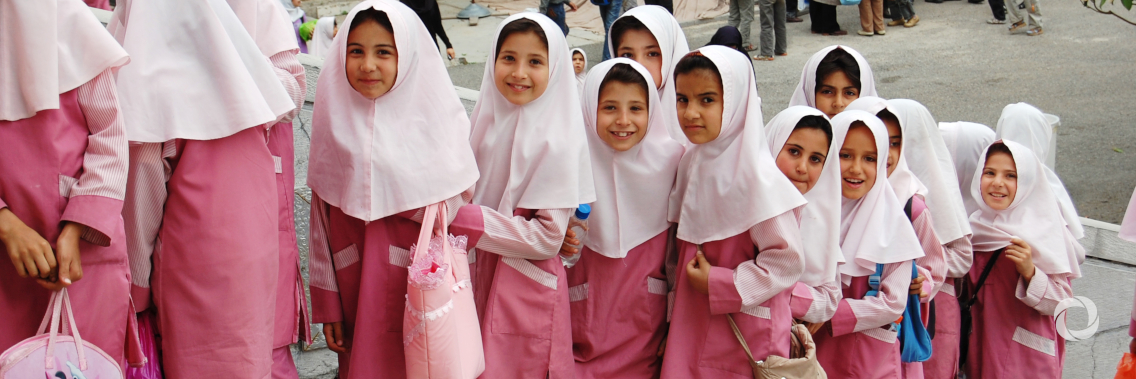
Their fortunes improved in 2015 when Iran passed a law allowing all Afghan children – regardless of their status as refugees, undocumented or passport-holders – to attend public schools. Thanks to the Government of Iran and UNHCR, some 480,000 Afghan children in Iran are benefitting from these inclusive education policies this school year, of whom 130,000 are undocumented Afghans. In 2019 alone, 60,000 new Afghan students found a place in school in Iran.
Refugees are exempt from school fees in Iran, but other costs associated with education, including school supplies, still weigh heavy on the family’s budget.
Amid economic challenges due to sanctions, the needs of vulnerable people – among them refugees as well as Iranians – are increasing. In just one year, the price of basic goods and services has skyrocketed, making it harder for families to afford food items, rent payments and transportation.
UNHCR is concerned that any further deterioration in Iran’s economy could weaken the ability of the Government, UNHCR and partners to continue providing education to Afghan children.
In order to maintain such opportunities in Iran, and emulate them in other host countries, UNHCR is calling on donors and partners to commit to supporting such exemplary humanitarian efforts at the first Global Refugee Forum, to be held on 17-18 December in Geneva, Switzerland.
Original source: UNHCR
Published on 10 December 2019