
Add us as your preferred source on Google to see more of our content in Search.
 Add to Preferred Sources
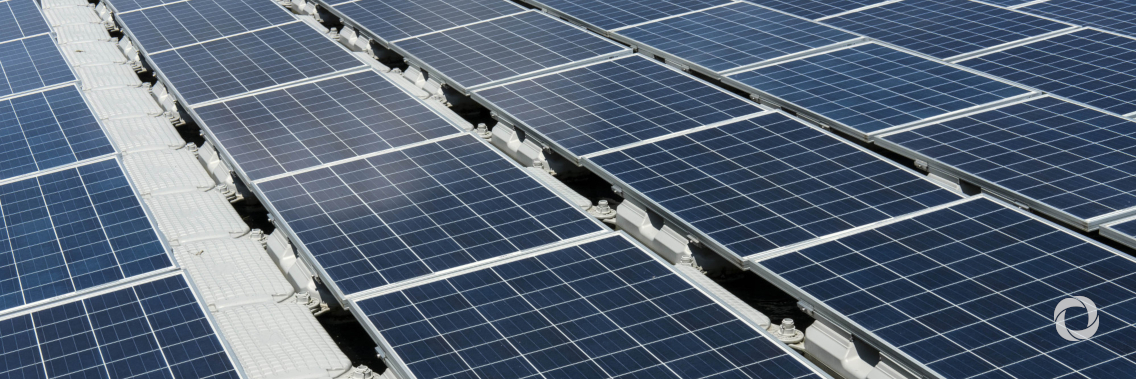
During the UN Climate Change conference in Madrid, COP 25, the European Investment Bank (EIB) has announced that it has invested EUR 76.5 million in one of the largest solar projects in Spain, demonstrating its strong commitment in regards to the promotion of clean energy production in the country.
The project is sponsored by Encavis AG, a leading independent producer of renewable energy, and Solarcentury, a global integrated solar power company, and comprises the construction and operation of a 300 MWp photovoltaic solar plant in the cohesion region of Extremadura, more specifically in the municipality of Talayuela. The transaction is supported by the European Fund for Strategic Investments (EFSI), the main pillar of the Investment Plan for Europe, also known as the Juncker Plan.
At 300MWp, the Talayuela Solar plant will be one of the most powerful solar projects in Europe, capable of producing enough energy to power around 150,000 households per year at a very competitive price. Moreover, the project will contribute to reducing CO2 emission by more than 171 kt CO2-e/year and approximately 400 people will be employed during the construction phase.
EIB Vice-President Emma Navarro, who is responsible for climate action at the Bank and for operations in Spain, said: “As shown throughout COP 25, the EIB is highly committed to delivering on the fight against global warming. As the EU Climate Bank, we are ready to step up to the challenge. For this reason, we are pleased to support Spain’s huge renewable energy potential and help the country to meet its decarbonisation targets. Promoting solar energy leads to increasing energy independence and, more significantly, it means reducing the consequences of global warming.”
The Talayuela plant is going to have a significant impact on the Spanish renewable energy market, helping the Iberian country to meet its renewable target of 20% of primary energy consumption to be generated by renewable sources by 2020. Moreover, the project contributes to the achievement of the Bank’s Climate Action objectives as well as to meeting the European Commission’s binding renewable energy target of at least 32% of final energy consumption by 2030.
Original source: EIB
Published on 11 December 2019