
Add us as your preferred source on Google to see more of our content in Search.
 Add to Preferred Sources
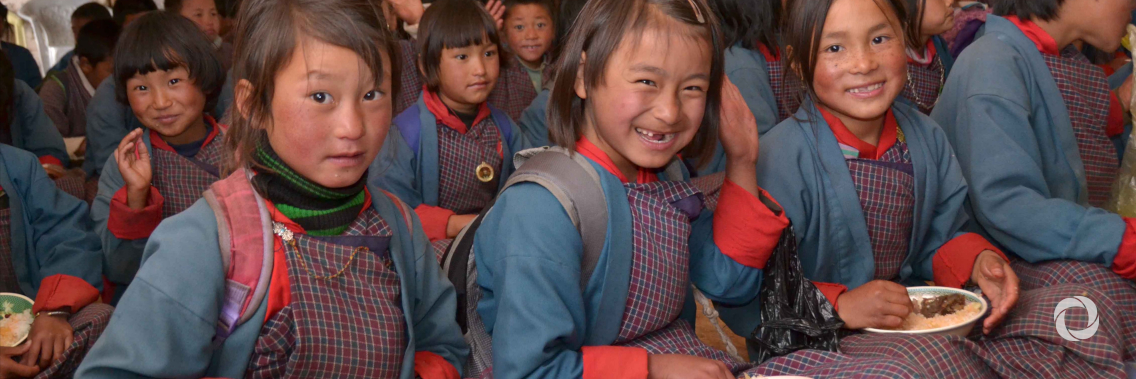
The World Food Programme (WFP) signed a Memorandum of Understanding (MOU) with Korea International Cooperation Agency (KOICA) to support the Royal Government of Bhutan in the transition of school feeding to a National School Feeding and Nutrition Programme.
The project, which will be implemented over a period from 2019 to 2023 with US$4 million funding provided by KOICA, aims to address the double burden of malnutrition by focussing on reduction of micronutrient deficiencies, as well as overnutrition and non-communicable diseases (NCDs) related to poor diets, alcohol, tobacco and lack of physical activity. NCDs are now responsible for 69 percent of the reported disease burden in the country.
“Healthy, nutritious meals increase children’s learning capacities,” said Svante Helms, Head of Office, WFP Bhutan. “Healthy food leads to smarter children – and healthy children have better chances to thrive and fulfil their potential as adults. Investments in human capital development of children are among the most effective and productive investments a country can make.”
In support of the project implementation, WFP, together with government partners, is introducing the Menu Optimizer Tool that through an algorithm calculates the most nutrition-rich menu at the lowest cost and with the highest proportion of local food. WFP will also launch a digital game-based learning platform to support more interactive and engaging nutrition and health education for schoolchildren.
The key expected outcomes of the project include:
- Quality of education is enhanced through safe and healthy schools that have the required infrastructure and tools to implement a School Nutrition Programme with improved school meals and integrated nutrition and health education.
- Farmers (men and women) linked to the school meals market have increased income and provide fresh food to diversify the school meals menu.
- Improved dietary and health practices among student contribute to addressing the proliferation of non-communicable diseases in Bhutanese schools, their family and community.
Original source: WFP
Published on 11 December 2019