
Add us as your preferred source on Google to see more of our content in Search.
 Add to Preferred Sources
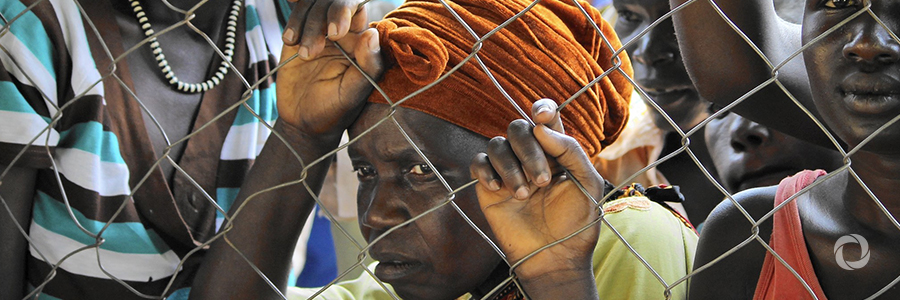
Africa’s humanitarian crises have continued to worsen in 2017. Twenty million Africans have been displaced from their homes and 44 million are acutely food insecure
On World Humanitarian Day 2017, Africa’s population displacement crisis has reached record levels, with over 20 million Africans now officially registered as refugees, internally displaced, or seeking asylum. Actual figures are likely higher. A snapshot of Africa’s displaced populations reveals that: Almost 75 percent of Africa’s 20 million displaced persons are from 5 countries: the Democratic Republic of the Congo, Nigeria, Somalia, South Sudan, and Sudan. Each of these countries is experiencing serious conflict.
While global attention has focused on refugees, almost two-thirds of Africa’s dislocated population are internally displaced.
The number of internally displaced people—12.7 million—represents a 65 percent increase since 2013. More than 44 million Africans are estimated to be at a crisis or emergency level of food insecurity. Parts of Nigeria, Somalia, and South Sudan are at risk of famine.
In the past year, 51 humanitarian workers have been killed in the Central African Republic, Kenya, Mali, Nigeria, Somalia, and South Sudan, impeding efforts to provide assistance.
Eight of the top 10 countries of origin for Africa’s displaced populations have autocratic governments.
Full report: Africa’s Population Displacement
Original source: Africa Center for Strategic Studies.
Posted on 16 August 2017.