
Add us as your preferred source on Google to see more of our content in Search.
 Add to Preferred Sources
With Belarus and the United Arab Emirates set to start operating their first nuclear power plants and two other countries building their first reactors, 2020 is set to be a significant year for so-called newcomer countries looking to add this reliable source of low carbon electricity to their energy mix.
This week in Vienna, the IAEA is helping to show the way forward at its annual Technical Meeting on Topical Issues in the Development of Nuclear Power Infrastructure.
First organized in 2006, the yearly gathering is the IAEA’s main forum for countries to share good practices and lessons learned in establishing the infrastructure required for a safe and successful nuclear power programme. Some 100 participants from 41 Member States and several international organizations are attending this year’s edition at the IAEA’s headquarters.
“We open this year with new momentum in the Agency’s work on nuclear power,” said Dohee Hahn, Director of the IAEA’s Division of Nuclear Power. “Nuclear power can both drive economic growth and help address climate change.”
Currently, 28 countries are considering, have started planning or are well advanced in introducing nuclear power. Among its benefits, several newcomers cite nuclear power’s low emissions and its steady stream of round-the-clock, or baseload, electricity that can fill output gaps from variable renewables such as solar or wind.
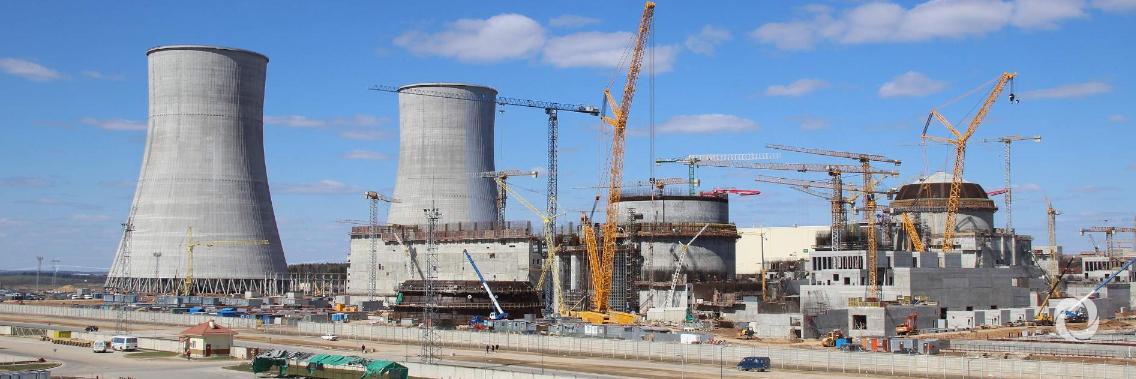
Ghana, which is considering nuclear power, is one such country. Belarus and the United Arab Emirates are expected to start operating their first reactors in the coming months. Belarus’ first plant comprises two 1194 megawatt-electric units of the Russian VVER technology, providing around one-third of the country’s electricity needs. The UAE, seeking a reliable low carbon source to meeting increasing energy demand, has engaged Korea Electric Power Company to construct and commission four 1400 MW(e) pressurized water reactors, which will supply up to 25% of the country’s electricity.
Bangladesh and Turkey, meanwhile, have started construction on their first reactors, and Egypt is well advanced in developing the related infrastructure and implementing its programme. Several other countries have taken the decision to add nuclear power to their energy mix and are preparing the necessary infrastructure. The IAEA provides integrated support to all countries in their efforts to establish or expand a safe, secure and sustainable nuclear power programme.
This week’s meeting will feature updates on new and expanding nuclear power programmes and discuss the roles and responsibilities of key national organizations, including in developing human resources and implementing management systems. Financing and contracting for new nuclear power plants as well as infrastructure development for small, medium-sized or modular reactors (SMRs) are on the agenda.
Original source: IAEA
Published on 28 January 2019