
Add us as your preferred source on Google to see more of our content in Search.
 Add to Preferred Sources
UNFPA plans to reach an estimated 48 million women, girls, and young people in 57 countries. US$675 million needed for new coronavirus preparedness and response global plan and the Bill & Melinda Gates Foundation commit up to $100 million for the global response to the 2019 novel coronavirus (2019-nCoV). Here is what you missed from last week’s headlines in the international development sector:
Action plan seeks to reach 48 million women and girls in humanitarian crises
More than 168 million people are currently in need of humanitarian assistance around the world.
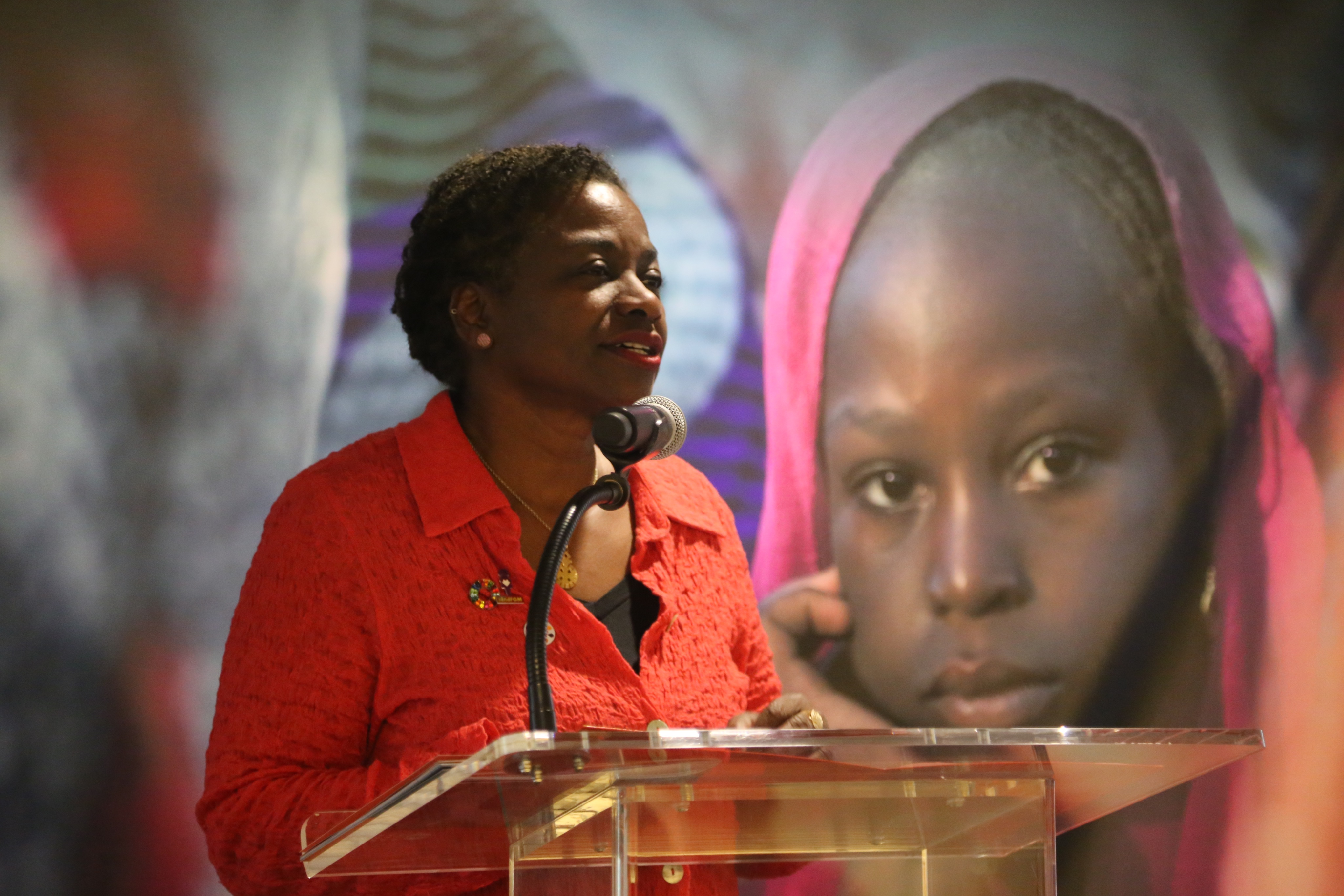
“In 2020, lamentably, the world will face an unprecedented moment: 1 out of every 45 people will be affected by humanitarian crises. The stakes of inaction have never been so dire,” said UNFPA’s Executive Director, Dr. Natalia Kanem, in the organization’s Humanitarian Action Overview.
There are tens of millions of women and adolescent girls living through humanitarian crises today. Yet their reproductive health needs – including family planning information and care, maternal health care, access to menstrual hygiene supplies, as well as protection from, and treatment for, sexual and gender-based violence – are often overlooked. And when these needs are neglected, the consequences are simply unbearable.
UNFPA works with partners around the world to address these needs. In 2020, UNFPA plans to reach an estimated 48 million women, girls and young people, including 4 million pregnant women, in 57 countries. The cost of this will be an estimated $683 million.
US$675 million needed for new coronavirus preparedness and response global plan
To fight further spread of the new coronavirus (2019-nCoV) outbreak in China and globally, and protect states with weaker health systems, the international community has launched a US$675 million preparedness and response plan covering the months of February through to April 2020.
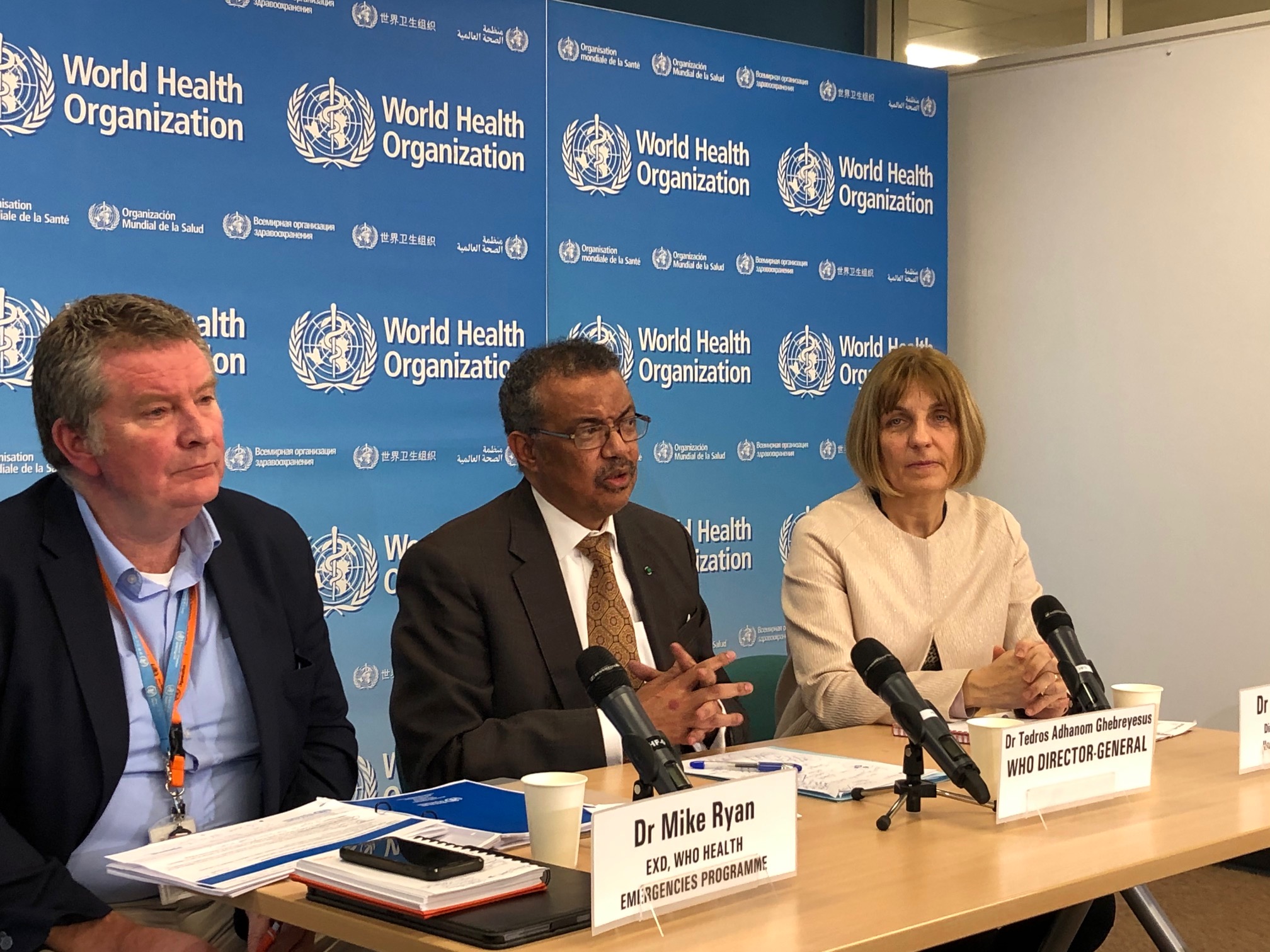
“My biggest worry is that there are countries today who do not have the systems in place to detect people who have contracted with the virus, even if it were to emerge,” said Dr. Tedros Adhanom Ghebreyesus, WHO Director-General. “Urgent support is needed to bolster weak health systems to detect, diagnose and care for people with the virus, to prevent further human to human transmission and protect health workers.”
The objectives of the plan are to limit human-to-human transmission of the virus, particularly in countries most vulnerable if they were to face an outbreak; identify, isolate and care for patients early; communicate critical risk and event information; minimize social and economic impact; reduce virus spread from animal sources; and address crucial unknowns.
Bill and Melinda Gates Foundation dedicates additional funding to the novel coronavirus response
The Bill & Melinda Gates Foundation announced that it will immediately commit up to $100 million for the global response to the 2019 novel coronavirus (2019-nCoV).
The funding will help strengthen detection, isolation and treatment efforts; protect at-risk populations; and develop vaccines, treatments and diagnostics. The new funding is inclusive of $10 million the foundation committed to the outbreak in late January.
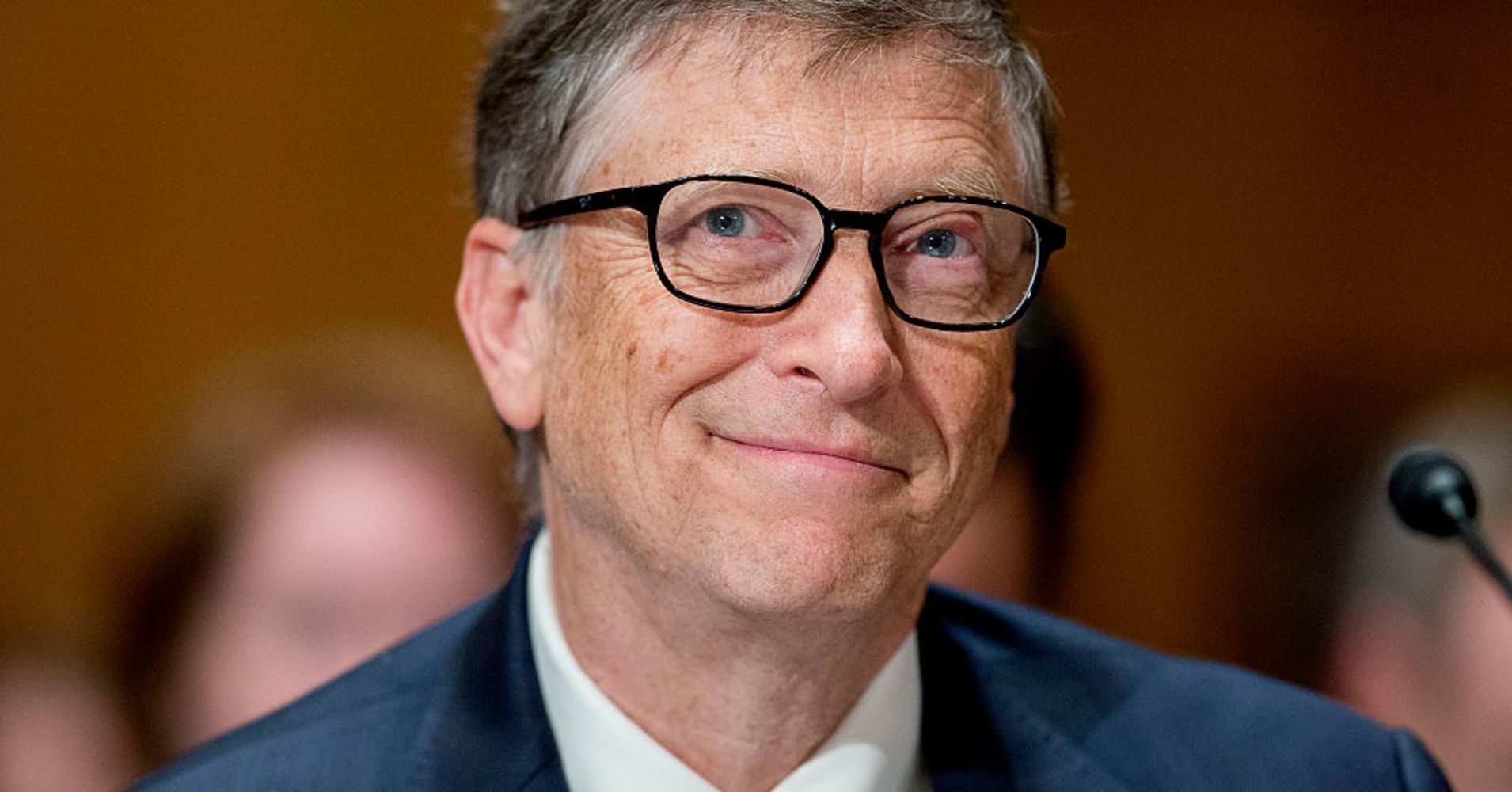
“Multilateral organizations, national governments, the private sector and philanthropies must work together to slow the pace of the outbreak, help countries protect their most vulnerable citizens and accelerate the development of the tools to bring this epidemic under control,” said Gates Foundation CEO Mark Suzman. “Our hope is that these resources will help catalyze a rapid and effective international response. This response should be guided by science, not fear, and it should build on the steps that the World Health Organization has taken to date.”
The Gates Foundation is contributing more resources – in close coordination with other donors – to assist the World Health Organization (WHO), Chinese frontline responders and others at the global and national levels.
Here’s what else has happened
UNRWA: The Acting Commissioner-General of the United Nations Relief and Works Agency for Palestine Refugees in the Near East (UNRWA), Christian Saunders, called for a minimum of US$ 1.4 billion to fund the Agency’s essential services and assistance, including life-saving humanitarian aid and priority projects, for 5.6 million registered Palestine refugees across the Middle East for the year 2020.
European Commission: The European Commission is partnering with the European Investment Fund, part of the European Investment Bank Group (EIB), to launch the BlueInvest Fund. The fund will be managed by the European Investment Fund and will provide financing to underlying equity funds that strategically target and support the innovative blue economy.
WHO: New modelling reveals that the total costs of treating the health impacts of FGM would amount to USD 1.4 billion globally per year if all resulting medical needs were addressed. For individual countries, these costs would near 10% of their entire yearly expenditure on health on average; in some countries, this figure rises to as much as 30%.
Reports
WHO Report on Cancer: Setting priorities, investing wisely and providing care for all
The World Health Organization (WHO) spells out the need to step up cancer services in low and middle-income countries. WHO warns that, if current trends continue, the world will see a 60% increase in cancer cases over the next two decades. The greatest increase (an estimated 81%) in new cases will occur in low- and middle-income countries, where survival rates are currently lowest.
“At least 7 million lives could be saved over the next decade, by identifying the most appropriate science for each country situation, by basing strong cancer responses on universal health coverage, and by mobilizing different stakeholders to work together”, said Dr. Tedros Adhanom Ghebreyesus, Director-General, WHO.
Read and download the report: WHO Report on Cancer: Setting priorities, investing wisely and providing care for all.
Implementing the ILO Indigenous and Tribal Peoples Convention No. 169: Towards an inclusive, sustainable and just future
The International Labour Organization (ILO) says there is an urgent need to tackle the high level of poverty and inequalities facing indigenous peoples.
According to a new ILO report, released to mark the 30th anniversary of the Indigenous and Tribal People’s Convention 1989 (No. 169), indigenous peoples are nearly three times as likely to be living in extreme poverty as their non-indigenous counterparts.
They account for almost 19 percent of the extreme poor (those living below US$1.90 per day). Even when less stringent poverty lines are used (US$3.20 or US$5.50 per day), a disproportionate number of poor are indigenous peoples. Furthermore, irrespective of the region and residence in rural or urban areas, indigenous peoples represent a sizable share of the global poor.
“Progress in improving the lives of indigenous peoples has been too slow,” said Martin Oelz, an ILO specialist and co-author of the report. “More ratifications of Convention No. 169 and action for its effective implementation would be a step in the right direction. To ensure that public policies address the needs of indigenous peoples and reflect their aspirations, it is essential to tackle the widespread absence of institutional and legal frameworks enabling their participation in decision-making.”
Read and download the report: Implementing the ILO Indigenous and Tribal Peoples Convention No. 169: Towards an inclusive, sustainable and just future.
Obesity: Health and Economic Consequences of an impending global challenge
Long believed to be a problem exclusive to high-income countries, evidence shows that over 70 percent of the world’s 2 billion overweight and obese individuals live in low- or middle-income countries. Faced with increasing disability, mortality, health care costs, and lower productivity, obesity is a growing concern for all countries regardless of income level, says a new World Bank report.
The report states that obesity-related diseases are now among the top three killers across the globe, except in Sub-Saharan Africa. Recent data show that since 1975 obesity has nearly tripled and now accounts for 4 million deaths worldwide every year.
“As countries grow economically and per capita income rise, the devastating impacts and burden of obesity will continue to shift toward the poor,” says Dr. Meera Shekar, Global Lead for Nutrition at the World Bank and co-author of the report along with Dr. Barry Popkin from the University of North Carolina.
Read and download the report: Obesity: Health and Economic Consequences of an impending global challenge.
Events
43rd IFAD Governing Council 2020
Rome, Italy
11-12 February 2020
The two-day event will focus on the theme: Investing in sustainable food systems to end hunger by 2030. Interactive sessions and events will highlight how IFAD’s role and experience in supporting sustainable, inclusive, nutritious and efficient food systems place it in a unique position to contribute to zero hunger.
The theme highlights how IFAD’s role and experience in supporting sustainable, inclusive, nutritious and efficient food systems uniquely place it in a position to contribute to SDG2.
2020 Africa-France Summit
Bordeaux, France
4-6 June 2020
A variety of political and economic stakeholders from France and Africa will come together at the 28th Africa-France Summit to discuss current projects and solutions and imagine and start building the sustainable African cities and regions of the future.
The decision to make the sustainable city the focus of the 2020 Africa-France Summit is an extraordinary opportunity to celebrate the success already achieved in French and African cities and lay the groundwork for their future progress for everyone’s mutual benefit.
The Summit is first and foremost a political event, with over 50 heads of state in attendance and a strong economic and environmental aspect.
2020 UN Biodiversity Conference (COP 15)
Kunming, China
15-28 October 2020
The 15th meeting of the Conference of the Parties (COP 15) to the Convention on Biological Diversity (CBD), the tenth Meeting of the Parties to the Cartagena Protocol on Biosafety (Cartagena Protocol COP/MOP 10) and the fourth Meeting of the Parties to the Nagoya Protocol on Access and Benefit-sharing (Nagoya Protocol COP/MOP 4) are expected to address a series of issues related to implementation of the Convention and its Protocols.
“Ecological Civilization: Building a Shared Future for All Life on Earth” is set to frame the 2020 UN Biodiversity Conference.
UN Climate Change Conference of the Parties (COP26)
Glasgow, UK
09-20 November 2020
For the first time, the UK will host the 26th UN Climate Change Conference of the Parties (COP26) in Glasgow. Glasgow is often translated as meaning ‘Dear Green Place’ and is 4th in the world, and highest in the UK, in the Global Destination Sustainability Index – making it the perfect place to host a sustainable COP.
The climate talks will be the biggest international summit the UK has ever hosted; bringing together over 30,000 delegates including heads of state, climate experts and campaigners to agree coordinated action to tackle climate change.
The challenge is not insignificant, but we must step up to it to save the environment we all live in. The UN Climate Change process is central to that collective action.