
Add us as your preferred source on Google to see more of our content in Search.
 Add to Preferred Sources
The International Fund for Agricultural Development of the United Nations (IFAD) announced support for a new project that aims to reduce rural poverty in the region of Kairouan, one of the most disadvantaged in the country.
At least 16,800 highly vulnerable Tunisian families will benefit from activities to improve their living conditions, incomes and resilience in the face of climate change.
In Tunisia, although the poverty rate fell from 20 percent in 2010 to 15 percent in 2018, there are still significant inequalities: in urban areas, the poverty rate is 10 percent versus an average of 26 percent in rural areas. The region of Kairouan, in the center-west, is home to almost 35 percent of the country’s vulnerable poor people.
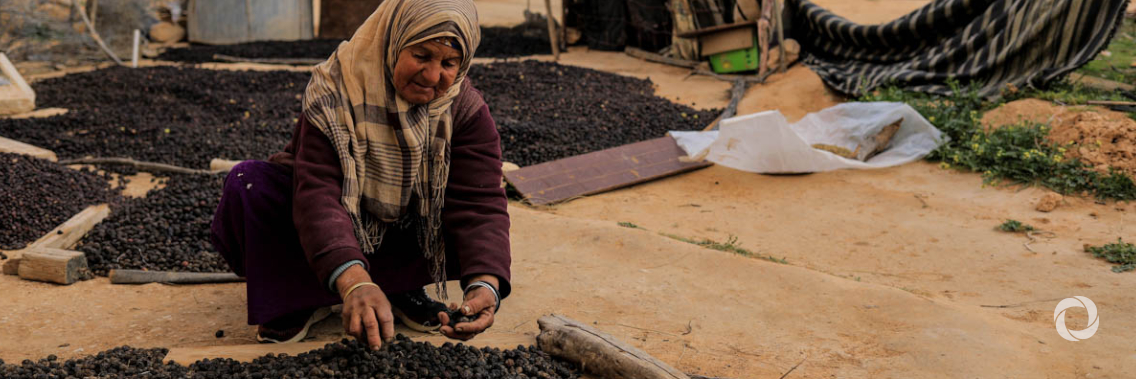
Like many developing countries, Tunisia is also experiencing the effects of climate change with higher temperatures and lower average rainfall. This is affecting the agriculture sector dominated by arboriculture – olives in particular— cereal crops and livestock.
This US$51.2 million project will aim to improve resilience and livelihoods of rural producers and help Tunisia achieve several Sustainable Development Goals, particularly the eradication of extreme poverty and hunger (SDGs 1 and 2).
Funding includes a $23.1 million loan and $0.7 million grant from IFAD and a $9.2 million grant from Adaptation Fund. In addition, $15.8 million is provided by the Government of Tunisia, $0.6 million from the Tunisian Union of Social Solidarity and $1.7 million from beneficiaries themselves.
The project will support the integration of small-scale farmers into the broader economy, and will help vulnerable families adapt to climate change. Water networks will be rehabilitated to improve access to drinking water and to increase agricultural water with improved rainwater collection systems.
Original source: IFAD
Published on 10 February 2020