
Add us as your preferred source on Google to see more of our content in Search.
 Add to Preferred Sources
Against the backdrop of escalating global instability, government and development leaders made an urgent call for greater investment in rural development to address hunger and poverty caused by conflict and climate change.
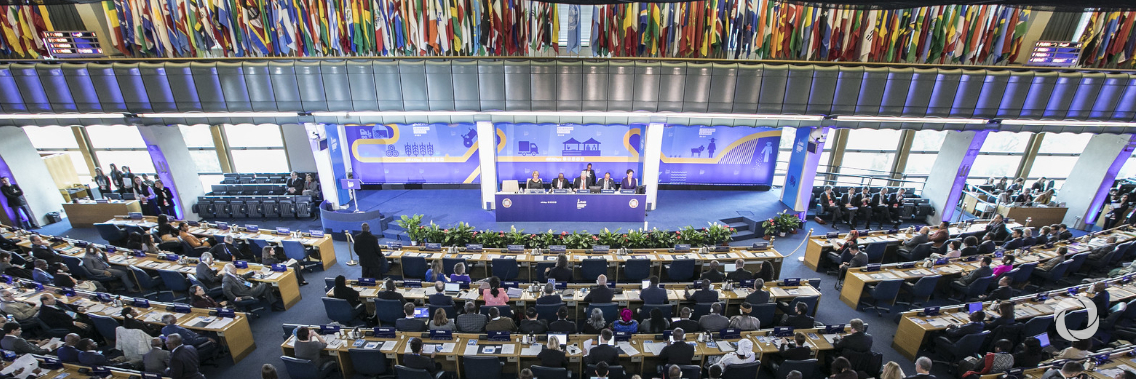
“We all agree on the severity of the situation and that there is no time to lose. We need to scale up our actions and leverage our resources in order to eliminate poverty and hunger,” said Gilbert F. Houngbo, President of the International Fund for Agricultural Development (IFAD), at the final day of the Fund’s 43rd Governing Council meeting.
The incidents of armed conflict in Africa alone increased by 36 percent between 2018 to 2019, contributing to an increase in hunger and poverty.
There is evidence that well-targeted rural development interventions can accelerate recovery from the devastating effects of conflicts and yield solid peace dividends.
Dominik Ziller, Director-General International Development Policy, German Federal Ministry of Economic Cooperation and Development, said that development also can play a role in preventing conflict.
“If people don’t have opportunities in their countries there is a risk that criminality rises, terrorism increases and the warlords will find more supporters.” In short, he added, “there is a risk of destabilization and more fragile states.”
“Conflict stops agricultural production and stops millions of people lifting themselves out of poverty. This is compounded by natural disasters, like the current scourge of locusts destroying crops in East Africa and a changing climate that threatens African food systems and is the driving force behind migration and conflict,” said Josefa Sacko, Ambassador and Commissioner for Rural Economy and Agriculture, speaking on behalf of the African Union Commission.
Climate change could push more than 100 million people into poverty by 2030, with half of this poverty increase due to climate effects on agriculture. And it is exacerbating existing conflicts and has the potential to cause new conflicts around the world as resources become more limited. In 2018, disasters displaced 17.2 million people from their homes, 90 percent fled weather and climate-related hazards.
Climate emergencies also disproportionally affect disabled people because of their inherent vulnerabilities, and people with disabilities are among the most marginalized and at-risk population in any crisis-affected community. An estimated 9.7 million people with disabilities are forcibly displaced as a result of conflict and persecution.
Original source: IFAD
Published on 12 February 2020