

Add us as your preferred source on Google to see more of our content in Search.
 Add to Preferred Sources
World experts and funders set priorities for COVID-19 research. WHO and FIND formalize strategic collaboration to drive universal access to essential diagnostics. Critical support for former child soldiers in South Sudan at risk from lack of funding and FAO Director-General says greater action needed to avert a humanitarian crisis as Desert Locust spreads. Here is what you missed from last week’s headlines in the international development sector:
World experts and funders set priorities for COVID-19 research
Leading health experts from around the world have been meeting at the World Health Organization’s Geneva headquarters to assess the current level of knowledge about the new COVID-19 disease, identify gaps and work together to accelerate and fund priority research needed to help stop this outbreak and prepare for any future outbreaks.
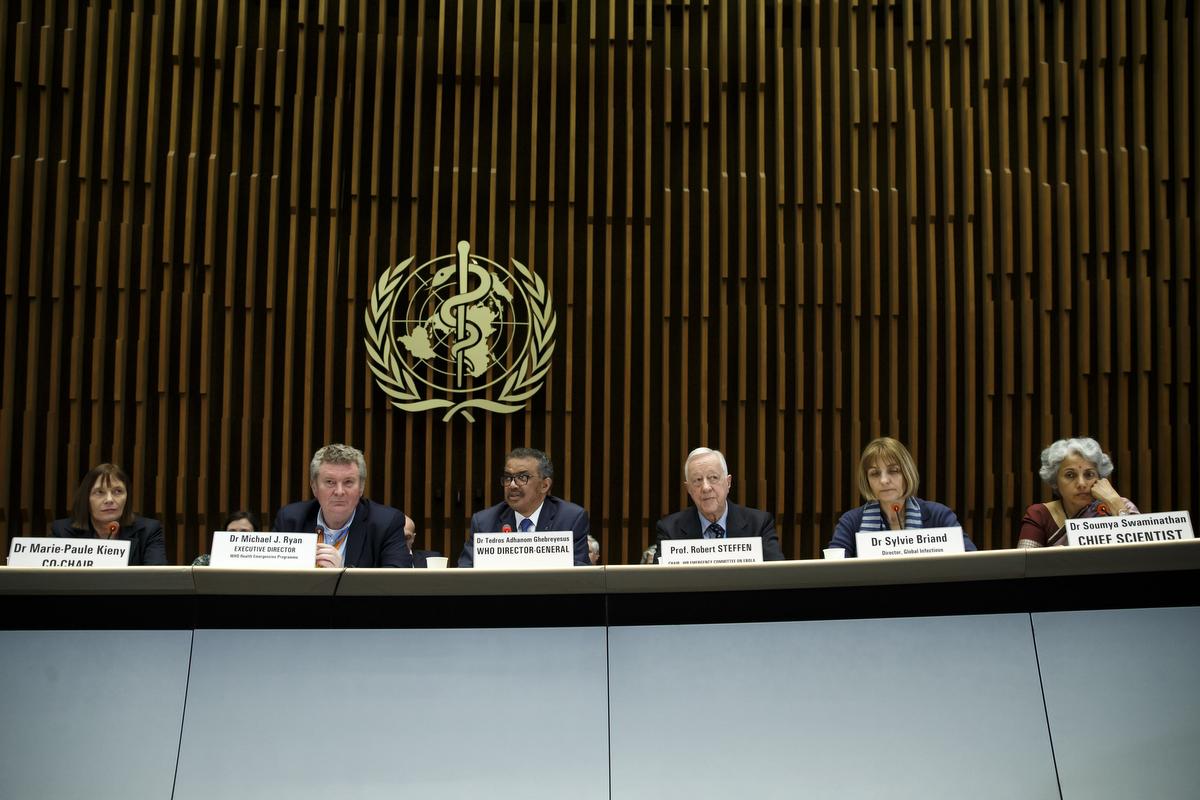
“This outbreak is a test of solidarity — political, financial and scientific. We need to come together to fight a common enemy that does not respect borders, ensure that we have the resources necessary to bring this outbreak to an end and bring our best science to the forefront to find shared answers to shared problems. Research is an integral part of the outbreak response,” said WHO Director-General Dr. Tedros Adhanom Ghebreyesus.
During the meeting, the more than 300 scientists and researchers participating both in person and virtually agreed on a set of global research priorities.
WHO and FIND formalize strategic collaboration to drive universal access to essential diagnostics
The World Health Organization (WHO) and the Foundation for Innovative New Diagnostics (FIND) announced that a memorandum of understanding has been signed by the two organizations to formalize a strategic collaboration that will strengthen diagnosis in resource-poor countries by closing major diagnostic gaps at country level and bolstering disease surveillance that will inform public health initiatives and enhance outbreak preparedness and response.
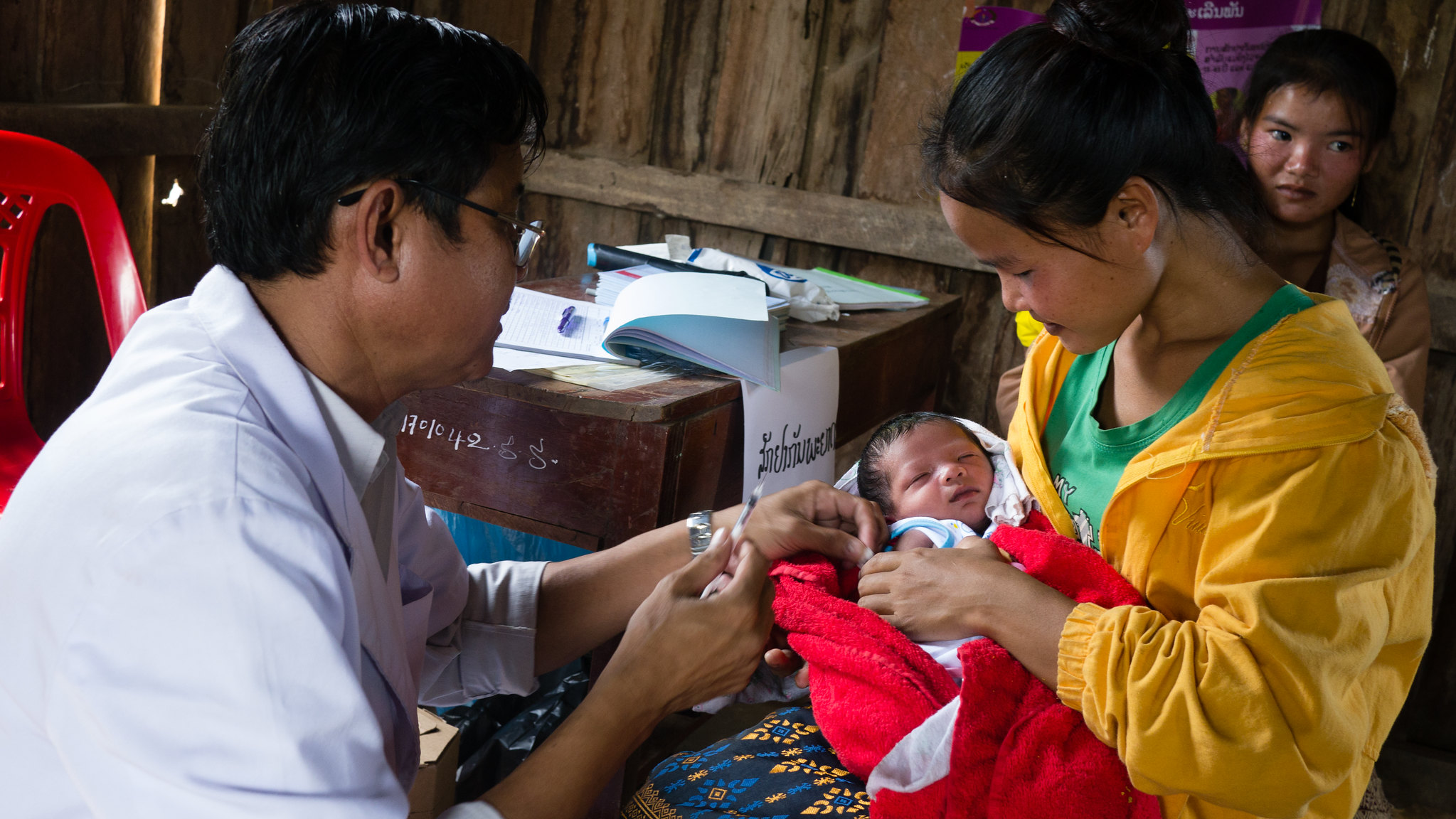
“This collaboration is an inspiring development that will take us a long way towards ensuring access to diagnostics to all who need them,” said Dr. Tedros Adhanom Ghebreyesus, Director-General of the World Health Organization.
This expanded collaboration will put in place the building blocks necessary to enable transformative change in a move toward a country-led diagnostics alliance. Initial workstreams will focus on demand-driven access to essential diagnostics and the development of national Essential Diagnostics Lists, alongside collection of data that assist the scale-up of diagnostics to support low- and middle-income countries on their paths to universal health coverage.
Critical support for former child soldiers in South Sudan at risk from lack of funding
Critical programmes providing support for children released from armed forces and groups in South Sudan may be forced to end next month if urgently needed funds are not provided, UNICEF warned.
900 children are already registered for release, but without urgent new funding, UNICEF will not be able to provide support as they transition to civilian life.
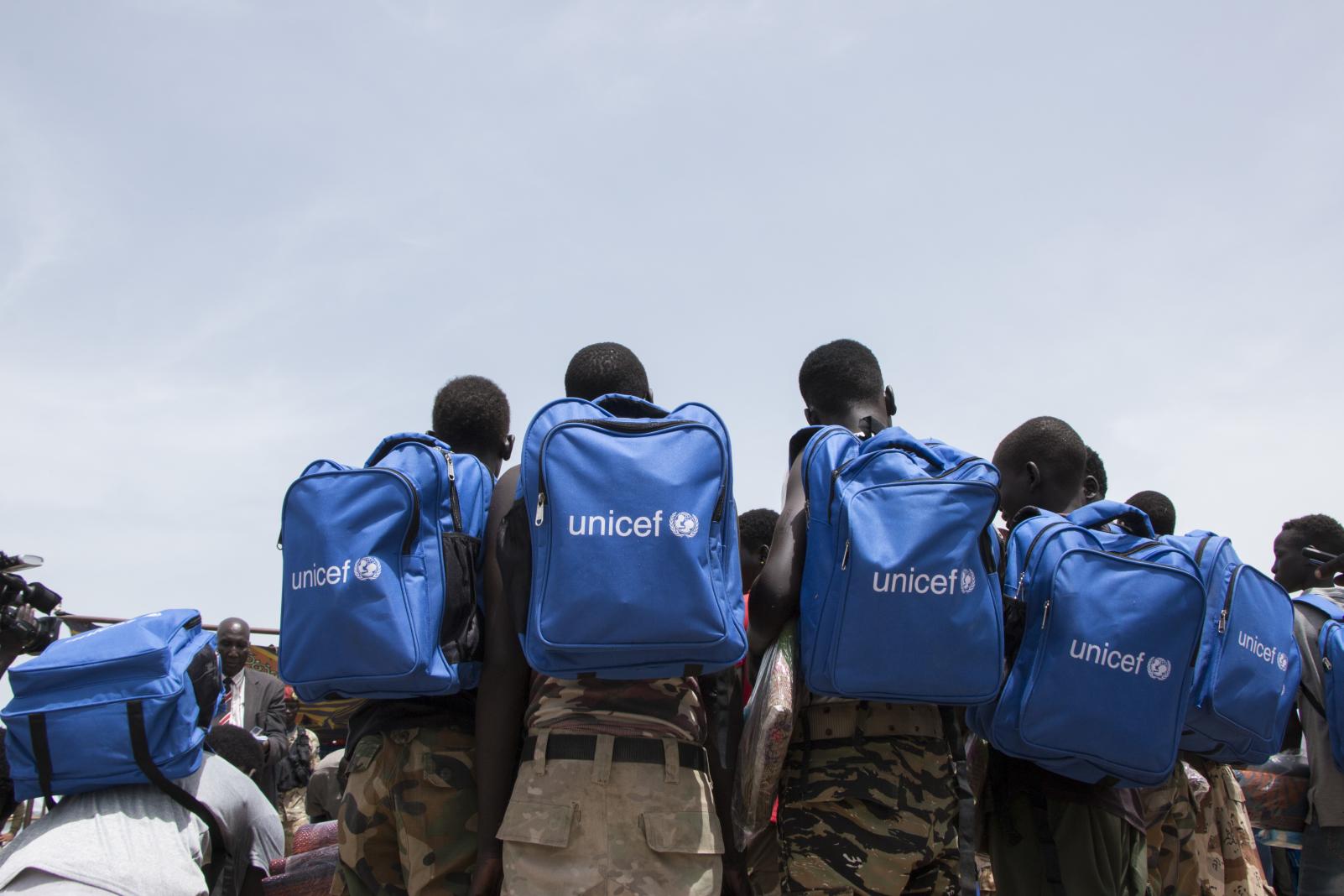
“The word frustration doesn’t even come close to how I feel about the situation,” said UNICEF’s Representative in South Sudan, Mohamed Ag Ayoya. “Children are registered, verified, and ready to be released, UNICEF has a proven and effective reintegration programme, yet we don’t have the funding to continue this vital work. My grievances are on behalf of the children who are ready to get started on their new lives, reclaiming their childhood.”
UNICEF South Sudan requires US$4.2 million for 2020 to cover new releases and the immediate enrolment into reintegration programmes and for the continuation of the programme for children released previously. If adequate funding is provided, UNICEF will be able to support some 2,100 children released from armed forces and armed groups over the coming year.
FAO Director-General says greater action needed to avert a humanitarian crisis as Desert Locust spreads
FAO Director-General QU Dongyu said that greater and faster action was needed to prevent a humanitarian crisis in East Africa as the Desert Locust upsurge was now affecting seven countries and threatened to spread even further.
Qu said the locust outbreak is the worst to strike Ethiopia and Somalia for 25 years and the worst infestation that Kenya has experienced in 70 years. Djibouti and Eritrea are also affected, and since FAO’s initial appeal swarms have spread to the northern edges of Uganda and Tanzania.
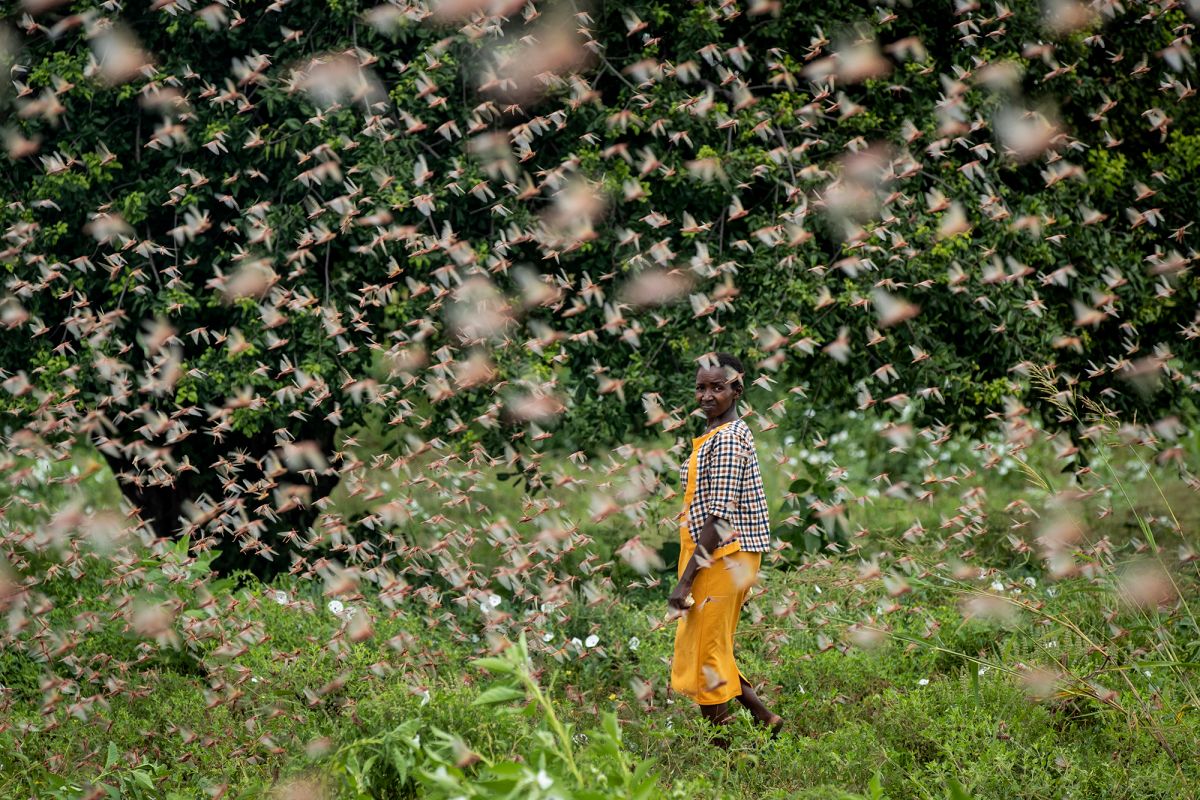
The Director-General noted that FAO has so far received around $22 million of the $76 million requested to assist the five countries initially impacted. But he expected needs to increase amid concern that the outbreak will continue to spread to other countries.
“It is clear that already vulnerable populations could easily be pushed into a major humanitarian crisis unless we act fast to protect their livelihoods,” Qu said.
FAO is also preparing to take action to protect rural livelihoods by providing affected growers with farming packages, veterinary care to pastoralists’ vegetation-starved livestock, and channeling cash to families who have lost their crops so that they can purchase food.
Here’s what else has happened
WWF: WWF is delighted to announce an agreement between WWF-International and UN-Habitat. This is a new partnership between WWF’s Plastic Smart Cities initiative and UN Habitat’s Waste Wise Cities campaign aims to tackling plastic pollution in urban centres and tourism destinations. WWF and UN-Habitat will partner to unleash the potential of cities to accelerate sustainable waste and reduce plastic pollutions.
Gavi: Gavi, the Vaccine Alliance, welcomes the US Administration’s announcement to commit US$ 1.16 billion to the Alliance for the fiscal years 2020 to 2023, exceeding its previous pledge in 2015. The commitment appeared in the President’s Fiscal Year 2021 budget request and is subject to Congressional approval. This support will make it possible for the Alliance to immunise an additional 300 million people during this period, saving more than 7 million lives.
IFAD: Heads of state, ministers, development leaders, and celebrities called for greater investment in rural areas to accelerate progress to achieve a world free from poverty and hunger in the next 10 years. The call was made at the 43rd Session of the Governing Council of the International Fund for Agricultural Development (IFAD) attended by its 177 Member States. This comes at a time when hunger is rising. More than 820 million people go hungry every day, 736 million people still live in extreme poverty, and the wealth gap continues to widen.
AfDB: The African Development Bank has released a $1 million grant to Uganda to help the East African country tackle an outbreak of the Ebola virus. The funds will be used for the management of suspected and confirmed EVD cases in Uganda, including the procurement and distribution of medical supplies, and care of people affected by Ebola. The grant will also be used to strengthen readiness and capacity at the national level and in high-risk districts, including training and emergency support. With this support, response teams will be quickly deployed and surveillance of the disease will be strengthened.
Reports
Women in Energy: Breaking Stereotypes and Inspiring Change
The Climate Technology Centre and Network (CTCN) presents its publication together with the Energy and Resources Institute (TERI) “Women in Energy: Breaking Stereotypes and Inspiring Change”.
To achieve the objective of SDG 7, it is of utmost importance to promote gender inclusion within energy access and production efforts. Hence, the international development community and many governments are focusing greater attention on the gender–energy nexus to fill important knowledge gaps on how the two goals might complement and supplement each other.
Read and download the report: “Women in Energy: Breaking Stereotypes and Inspiring Change”.
Global Futures: Modelling the global economic impacts of environmental change to support policy-making
A new report from WWF reveals for the first time the countries whose economies would be worst affected over the next 30 years if the world doesn’t act urgently to address the global environmental crisis.
The study, Global Futures, which calculated the economic cost of nature’s decline across 140 countries ranging from India to Brazil, shows that if the world carries on with “business as usual”, the US would see the largest losses of annual GDP in absolute terms, with $83 billion wiped off its economy each year by 2050 – an amount equivalent to the entire annual GDP of Guatemala.
Developing countries will also be badly affected, with Eastern and Western Africa, Central Asia and parts of South America hit particularly hard, as nature loss impacts on production levels, trade and food prices. According to the report, the top three countries predicted to lose the most as a percentage of their GDP are Madagascar, Togo and Vietnam, which by 2050 are expected to respectively see declines of 4.2 percent, 3.4 percent and 2.8 percent per year.
Read and download the report: Global Futures: Modelling the global economic impacts of environmental change to support policy-making.
Events
3rd Global Ministerial Conference on Road Safety
Stockholm, Sweden
19-20 February 2020
The theme of the 3rd Global Ministerial Conference on Road Safety is “Achieving Global Goals 2030”.
The Conference will be an opportunity for delegates to share successes and lessons from implementation of the Global Plan for the Decade of Action for Road Safety 2011–2020: chart future strategic directions for global road safety up to 2030 and beyond: and define ways to accelerate action on proven strategies to save lives. The Conference will also provide an opportunity to link road safety to other sustainability challenges.
11th World Congress on Snow and Mountain Tourism
Canillo, Andorra
11-13 March 2020
The World Congress on Snow and Mountain Tourism is an initiative of Andorra’s 7 Communes, the Government of Andorra, and the World Tourism Organization, aimed at setting up a permanent discussion forum on the development and sustainability of tourism in mountain areas. It is held every two years and is organised by each Commune in rotation.
Since its inception in 1998, the Congress has focused on the most innovative topics of the time, deriving from the analysis of touristic and social trends, the economic situation, and the development of communication and analysis tools.
NAP Expo 2020
Gaborone, Botswana
30 March – 03 April 2020
The NAP Expo is an annual outreach event organized by the Least Developed Countries Expert Group (LEG) under the UNFCCC, in collaboration with various bodies and organizations, to promote exchange of experiences and foster partnerships between a wide range of actors and stakeholders on how to advance National Adaptation Plans (NAPs).
This is the seventh global NAP Expo since 2013. It brings together a diversity of participants from Parties and Non-Party Stakeholders.
2020 Australian Tourism Exchange (ATE)
Melbourne, Australia
10-14 May 2020
The Australian Tourism Exchange (ATE) is Australia’s largest annual travel and tourism business-to-business event.
It brings together Australian tourism businesses, and tourism wholesalers and retailers from around the world through a combination of scheduled business appointments and networking events. It also provides international travel buyers with the opportunity to experience Australia’s tourism offering first-hand through pre and post-event familiarisations.
Around 1,400 Australian seller delegates from approximately 550 companies, 600 key buyer delegates from over 30 countries, and 70 international and Australian media attend this global event.