

Add us as your preferred source on Google to see more of our content in Search.
 Add to Preferred Sources
Hunger threatens over half of the population in South Sudan. UNICEF appeals for US$42.3 million to support the global Covid-19 outbreak response. EU and international donors pledge €1.15 billion for reconstruction after the earthquake in Albania and more than €100 million have been invested in the new LIFE Programme projects to promote a green and climate-neutral Europe. Here is what you missed from last week’s headlines in the international development sector:
Hunger threatens over half of the population in South Sudan
Some 6.5 million people in South Sudan – more than half of the population – could be in acute food insecurity at the height of this hunger season (May-July), three United Nations agencies warned.
The situation is particularly worrying in the areas hardest hit by the 2019 floods, where food security has deteriorated significantly since last June according to the Integrated Food Security Phase Classification (IPC) report released by the Government of South Sudan, the Food and Agriculture Organization of the United Nations (FAO), the United Nations Children’s Fund (UNICEF) and the World Food Programme (WFP).
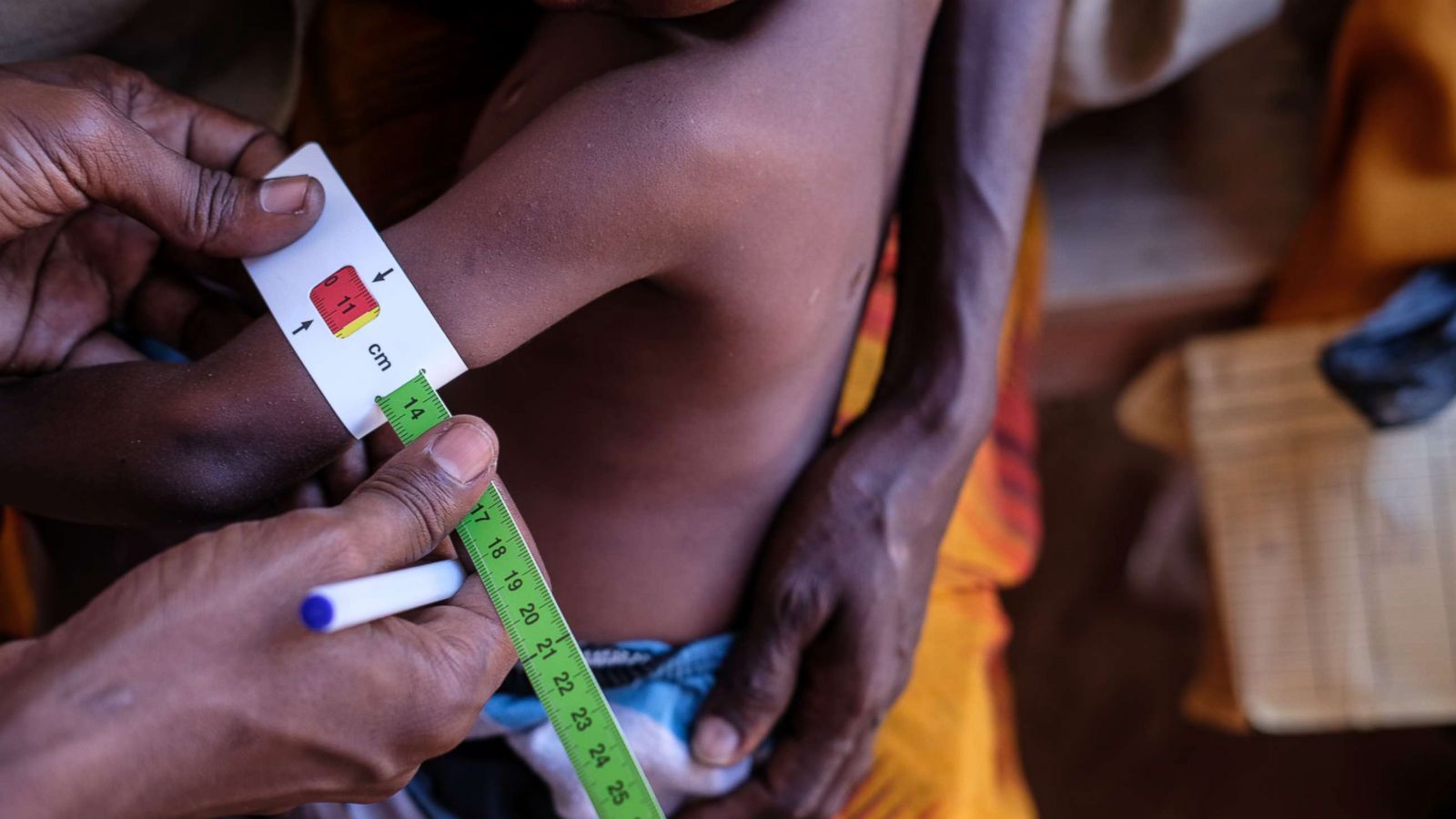
“Despite some seasonal improvements in food production, the number of hungry people remains dangerously high and keeps rising. On top of that, we are now faced with Desert Locust swarms that could make this even worse. It is important that we maintain and scale up our support to the people of South Sudan so they can resume or improve their livelihoods and food production, and boost the government’s capacity to respond to the locust outbreak,” said Meshack Malo, FAO Representative in South Sudan.
The report also estimates that 1.3 million children will suffer from acute malnutrition in 2020.
UNICEF appeals for US$42.3 million to support the global Covid-19 outbreak response
UNICEF urgently needs $42.3 million to scale up its response to the Covid-19 virus outbreak and support global efforts to contain it.
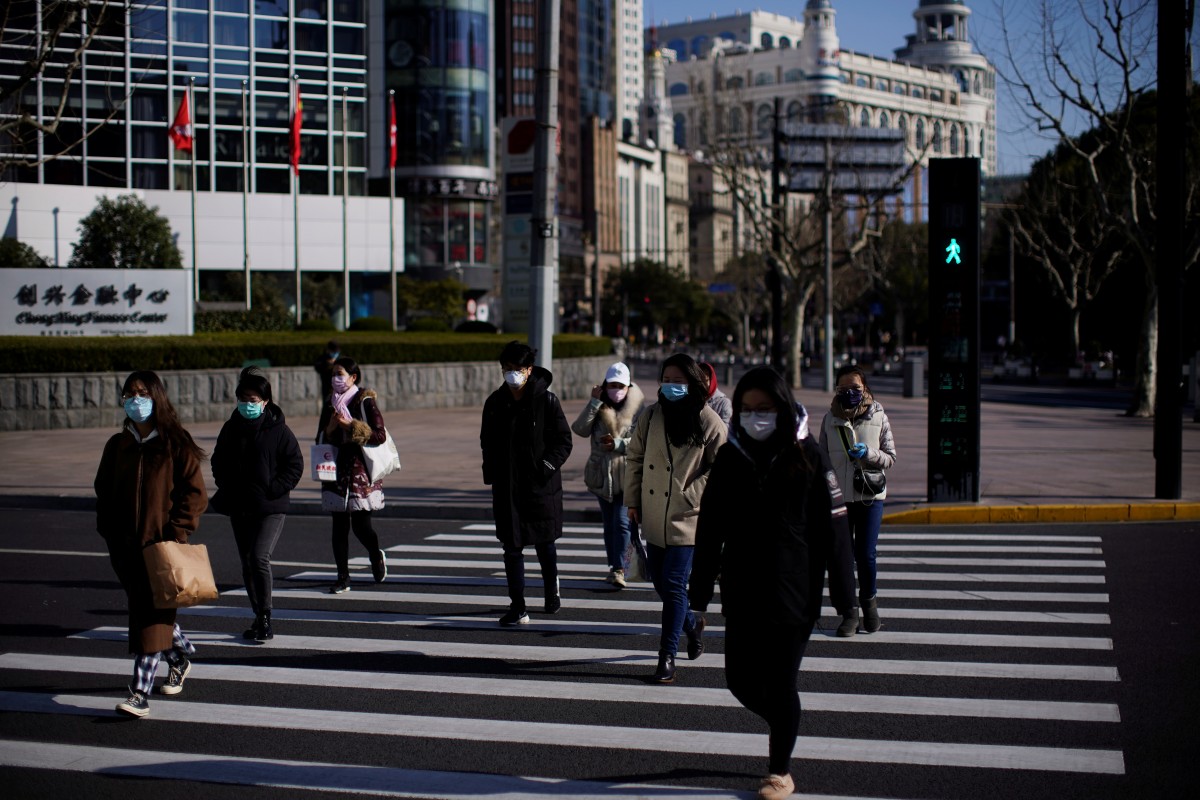
“This is a race against time,” said UNICEF Executive Director, Henrietta Fore. “The immediate focus is to reduce human to human transmission but also to help children in areas where their access to essential services has been disrupted.”
The preliminary funds will support UNICEF’s work to reduce the transmission of the virus including by strengthening risk communication and tackling misinformation so that children, pregnant women and their families know how to prevent Covid-19 spread and where to seek assistance.
To mitigate the broader impact of the outbreak, UNICEF also plans to support distance learning opportunities for children who can’t access school and to provide mental health and psychosocial support to children and families affected.
EU and international donors pledge €1.15 billion for reconstruction after the earthquake in Albania
About 100 delegations from the European Union, its Member States and partners, including international organisations and civil society gathered in Brussels at the International Donors’ Conference to mobilise support for Albania after the devastating earthquake of 26 November 2019.
President of the European Commission Ursula von der Leyen hosting the event said: “Today the international community stood in solidarity with Albania. A third of the overall pledge comes from the European Union and its Member States, including the European Investment Bank. The whole European Union mobilised for a country that is at the heart of our continent – and that I hope and I am convinced one day will also be part of our Union. The people of Albania know that they belong in our European family – now more than ever.”
Out of the €1.15 billion total pledged, the European Union including the Commission, its Member States and the European Investment Bank announced €400 million for the reconstruction of Albania. The European Commission has pledged €115 million from the EU budget. This includes a first €15 million grant to reconstruct and rehabilitate key public buildings such as schools, signed by President von der Leyen and Prime Minister Rama, to allow the rapid start of support on the ground.
EU invests more than €100 million in new LIFE Programme projects to promote a green and climate-neutral Europe
The European Commission announced an investment of €101.2 million for the latest projects under the LIFE programme for the Environment and Climate Action.
The funding will support 10 large-scale environment and climate projects in nine Member States, helping Europe’s transition to a sustainable economy and climate neutrality. These projects are located in Cyprus, Estonia, France, Greece, Ireland, Latvia, Slovakia, Czechia and Spain.
Executive Vice-President of the European Commission Frans Timmermans said: “The European Green Deal is about improving the well-being and prosperity of our citizens, while protecting nature and the climate. LIFE projects have played an important role for many years and have a big impact on the ground. With €100 million investment we will help to preserve precious natural habitats, keep the air clean, and cut pollution in many lakes and rivers in Europe.”
Integrated projects improve citizens’ quality of life by helping Member States comply with EU legislation in six areas: nature, water, air, waste, climate change mitigation and climate change adaptation.
DevelopmentAid Editorials
Experts’ Opinions| The role of philanthropy in financing for international development
According to the Organisation for Economic Co-operation and Development (OECD), philanthropy is reshaping the development landscape like never before. Although the overall contribution of philanthropy to development is hard to quantify, OECD-DAC statistics suggest that it has multiplied by nearly ten times over a decade. DevelopmentAid asked the opinion of several consultants regarding the role of philanthropy in financing for international development.
Find out Expert’s Opinions.
Experts’ Opinions| Advice about how to transition into international development
A degree in international development is not always the key to landing a job in this sector. It is much more important to understand the field you want to work in and the skills required. We asked global development recruiters for their advice for professionals looking to make a transition into international development.
Check out Expert’s Tips.
The TOP-10 ODA recipients in 2018
The Official Development Assistance (ODA) provided in 2018 by the 30 members of the OECD’s Development Assistance Committee (DAC) totaled US$153.3 billion. The ODA was distributed among 155 recipient countries, passing through various and complex procedures and mechanisms in the donor countries. DevelopmentAid presents the TOP-10 recipients of ODA in 2018 – both the countries and the donors who supported them.
Find out the TOP-10 recipients of ODA in 2018.
Here’s what else has happened
European Commission: The EU is co-financing the repatriation of EU citizens from the Diamond Princess cruise ship docked in Yokohama, Japan, thanks to flights from Italy mobilised through the EU Civil Protection Mechanism. The cruise ship has been docked in Yokohama for quarantine since early February after a disembarking passenger tested positive for COVID-19.
Education Cannot Wait: In just one week, Education Cannot Wait (ECW), with the Governments of Ethiopia and Chad and implementing partners, launched two new multi-year resilience programmes in Chad and Ethiopia with US$48 million in seed funding over three years to roll out crucial programme activities and catalyse additional resources.
World Bank: The World Bank Group announced two new initiatives to improve access to start-up financing and e-commerce markets for women entrepreneurs, at the Women Entrepreneurs Finance Initiative (We-Fi) Middle East and North Africa (MENA) Summit.
WFP: The United Nations World Food Programme (WFP) welcomes the European Union (EU) contribution of €1.5 million (equivalent to about M24 million) in humanitarian support, enabling WFP to expand ongoing emergency drought assistance to an additional 22,100 people on top of the 77,880 people that are already receiving assistance.
Reports
2020 Off-Grid Solar Market Trends
The off-grid solar industry has grown into a $1.75 billion annual market, providing lighting and other energy services to 420 million users and remains on a solid growth curve, a new World Bank Group and GOGLA report shows.
The 2020 Off-Grid Solar Market Trends report finds that the industry has made tremendous strides in the past decade. Since 2017, revenues from the off-grid solar industry continue to rapidly grow, increasing by 30 percent annually. To date, more than 180 million off-grid solar units have been sold worldwide and the sector saw $1.5 billion in investments since 2012.
With 840 million people still lacking access to electricity, the growth of the off-grid solar industry is critical to meeting the Sustainable Development Goal (SDG7) for universal access to affordable, reliable, sustainable and modern energy by 2030.
Read and download the report summary: 2020 Off-Grid Solar Market Trends.
A Future for the World’s Children?
As climate and commercial threats intensify, WHO-UNICEF-Lancet Commission presses for radical rethink on child health.
No single country is adequately protecting children’s health, their environment and their futures, finds a landmark report released by a Commission of over 40 child and adolescent health experts from around the world. The Commission was convened by the World Health Organization (WHO), UNICEF and The Lancet.
The report, A Future for the World’s Children? finds that the health and future of every child and adolescent worldwide is under immediate threat from ecological degradation, climate change and exploitative marketing practices that push heavily processed fast food, sugary drinks, alcohol and tobacco at children.
Read and download the report: A Future for the World’s Children?
Guide for Road Safety Opportunities and Challenges: Low- and Middle-income Country Profiles
The World Bank’s Global Road Safety Facility (GRSF) presented the Guide for Road Safety Opportunities and Challenges: Low- and Middle-income Country Profiles during the 3rd Global High-Level Conference on Road Safety in Stockholm.
The guide gives a precise assessment on the magnitude and complexity of road safety challenges faced by low-and middle-income countries (LMICs) and helps policymakers understand the road safety framework in the context of their own country systems and performance. The guide also helps countries to build and appreciate the business case for vital road safety investment.
Read and download the Guide for Road Safety Opportunities and Challenges: Low- and Middle-income Country Profiles.
Events
IsDB 45th Annual General Meeting
Jeddah, Saudi Arabia
1-4 April 2020
The Board of Governors of the Islamic Development Bank Group (IsDB Group) holds an annual meeting to discuss development issues and institutional matters.
The meeting attracts more than 2,000 participants and offers an ideal platform for decision-makers to discuss challenges and explore opportunities facing IsDB Group member countries.
AI for Good Global Summit 2020
Geneva, Switzerland
4-8 May 2020
The AI for Good Global Summit is the leading United Nations platform for inclusive dialogue on AI. The summit identifies practical applications of AI to accelerate progress towards the SDGs and builds collaboration to assist these applications in achieving global impact.
Now in its fourth edition, the 2020 AI for Good Global Summit will continue to connect AI innovators with public and private-sector decision-makers in the interests of stimulating the discovery and delivery of ‘AI for Good’ solutions for all.
Vienna Energy Forum (VEF) 2020
Vienna, Austria
16-17 June 2020
The Vienna Energy Forum (VEF) is a biennial global, multi-stakeholder forum with the objective of exploring developmental challenges within the realm of sustainable energy. The Forum introduces a platform for policy- and decision-makers from all sectors of society to conceive practical solutions to sustainability issues.
This year’s Vienna Energy Forum (VEF) will gather leaders from governments, civil society, international organizations and the private sector, in an aim to push the development of inclusive and sustainable solutions through technological innovation.
3rd World Symposium on Climate Change Communication
Warsaw, Poland
6-7 July 2020
The Symposium will be a truly interdisciplinary event, mobilizing scholars, social movements, practitioners and members of governmental agencies, undertaking research and/or executing projects on climate change communication across the world.
It will focus on “Using Communication to Transform Research and Policy on Climate Change Adaptation”, hence providing a platform for reflections on climate change communication research and practice. The Symposium will also offer a concrete contribution towards a better understanding and in catalysing further action to better communicate climate change, including the use of lifelong learning methods.
Furthermore, the event will serve the purpose of showcasing experiences from research, field projects and best practice to foster climate change communication among various settings and audiences, which may be useful and which could be adapted and replicated elsewhere.
High-level Political Forum on Sustainable Development (HLPF) 2020
New York, USA
7-16 July 2020
The meeting of the High-level Political Forum on Sustainable Development in 2020 is convened under the auspices of the Economic and Social Council.
The theme will be “Accelerated action and transformative pathways: realizing the decade of action and delivery for sustainable development”.
In accordance with paragraph 84 of the 2030 Agenda, Member States have decided that the HLPF shall carry out regular voluntary reviews of the 2030 Agenda which will include developed and developing countries as well as relevant UN entities and other stakeholders.