
Add us as your preferred source on Google to see more of our content in Search.
 Add to Preferred Sources
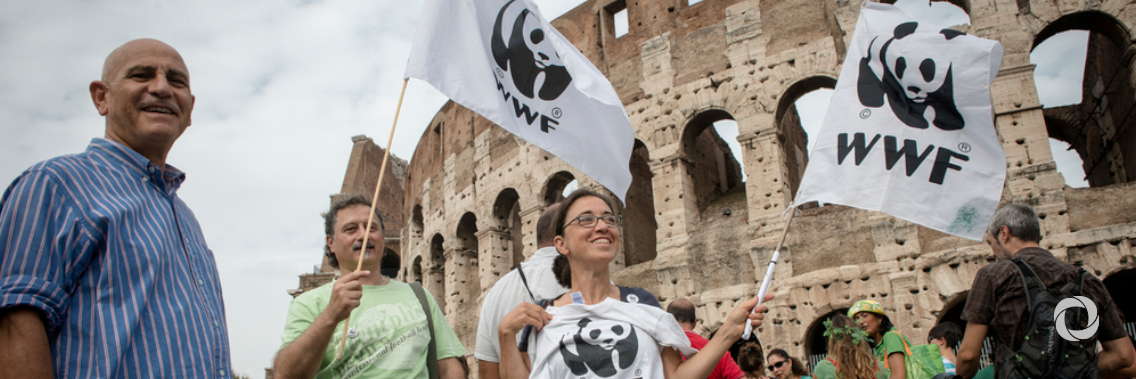
As the first set of negotiations over a draft global biodiversity agreement close in Rome, WWF is concerned that countries are not displaying the level of urgency and ambition required to tackle the world’s nature crisis.
Human activities are currently destroying nature at a rate much faster than it can replenish itself. A landmark UN report published last year revealed that one million species are threatened with extinction.
This week’s talks, taking place under the Convention on Biological Diversity (CBD), provided the first opportunity for countries to discuss a draft biodiversity plan published in January. The final plan is expected to be adopted in October in Kunming, China, representing a once-in-a-decade opportunity to secure a global agreement to address nature loss and degradation.
WWF is urging countries to secure a global biodiversity agreement as least as comprehensive, ambitious and science-based as the 2015 Paris climate agreement. Without urgent action on biodiversity, the world will be at risk of not achieving the Sustainable Development Goals.
Marco Lambertini, Director General of WWF-International, said: “Our relationship with nature is dangerously unbalanced. One million species are threatened with extinction and the way we currently produce and consume is risking irreparable damage to the very natural systems that underpin human well-being and prosperity, from forests to oceans and river systems.
“With science and society calling for urgent action on nature, alongside climate, it is disappointing to see limited ambition and leadership displayed by countries in Rome. The world must not miss the chance this year’s UN talks provide to secure a ‘Paris-style’ agreement for nature that includes a clear 2030 set of science-based and measurable goals and targets. It will now be critical that countries step up to the challenge in the next round of negotiations and ensure the draft agreement arrives in Kunming with the necessary ambition to deliver a nature positive world by the end of the decade.”
Negotiations in Rome centred around the need for spatial targets to protect at least 30% of habitats by 2030, as well as targets to halt the loss of species and preserve genetic diversity. A number of countries also supported targets to tackle the main drivers of biodiversity loss, which include agriculture, infrastructure, fisheries, forestry and the extractives industry. In WWF’s view, a 2030 target to reduce by 50% the negative ecological footprint of human production and consumption is essential to tackling both the direct and indirect drivers of nature loss.
WWF believes progress has been too slow on funding mobilisation, which will be critical to ensuring the costs of implementing the framework are not felt most keenly by developing countries. It is essential that the negotiations produce a complete package that includes accountability and transparency mechanisms that support the urgent, transformative and inclusive action necessary globally to halt and reverse nature loss.
Original source: WWF
Published on 01 March 2020