
Add us as your preferred source on Google to see more of our content in Search.
 Add to Preferred Sources
The European Commission presented its strategy for equality between women and men in Europe. While the EU is a global leader in gender equality and has made significant progress in the last decades, gender-based violence and stereotypes continue to persist: one in three women in the EU was subject to physical and/or sexual violence.
Even though more women graduate from universities, they earn on average 16% less than men do and only 8% of CEO’s of the EU’s largest companies are women.
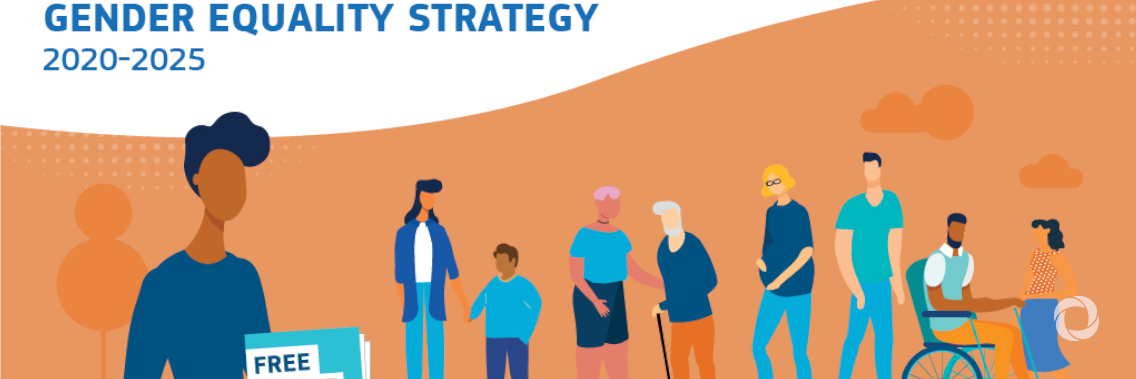
To address this, the Gender Equality Strategy 2020-2025 sets out key actions for the next 5 years and commits to ensure that the Commission will include an equality perspective in all EU policy areas. The Strategy outlines how the Commission will deliver on the promise made by President von der Leyen that Europe provides the same opportunities for all that share the same aspirations.
President of the European Commission, Ursula von der Leyen, said: “Gender equality is a core principle of the European Union, but it is not yet a reality. In business, politics and society as a whole, we can only reach our full potential if we use all of our talent and diversity. Using only half of the population, half of the ideas or half of the energy is not good enough. With the Gender Equality Strategy, we are pushing for more and faster progress to promote equality between men and women.”
No EU Member State has so far achieved equality between women and men. The progress is slow while gender gaps persist in employment, pay, care and pensions. To bridge those gaps and allow Europe to reach its full potential in business, politics and society, the strategy outlines a set of key actions including: ending gender-based violence and stereotypes; ensuring equal participation and opportunities in the labour market, including equal pay; and achieving gender-balance in decision-making and politics.
Under the lead of Commissioner for Equality, Helena Dalli, and with support of the newly created Task-Force on Equality, the Commission will also integrate a gender perspective in all EU policies and major initiatives, also known as gender mainstreaming. The core challenges affecting the EU today, including the climate and digital transformations, have a gender dimension. The Gender Equality Strategy objectives will also be reflected in EU’s actions around the world, promoting women empowerment and tackling gender-based violence.
Original source: European Commission
Published on 05 March 2020