
Add us as your preferred source on Google to see more of our content in Search.
 Add to Preferred Sources
The World Bank approved $170 million to improve sanitation services in Dhaka city benefiting around 1.5 million people.
The Dhaka Sanitation Improvement Project will help improve the city’s livability with safely managed sanitation services in Dhaka, particularly in its southern part. The project will treat sewage and septage, which will help reduce inland flooding and water pollution. It will also provide 50,000 new household sewer connections. Further, to improve the quality of living in slum and low-income housing areas, the project will upgrade toilets and install communal septic tanks.
“About 3.5 million people living in Dhaka’s low-income communities, especially women suffer most from poor sanitation and high levels of pollution,” said Mercy Tembon, World Bank Country Director for Bangladesh and Bhutan. “This project will help ensure safe sanitation, which is essential for reducing public health risks as well as extreme poverty.”
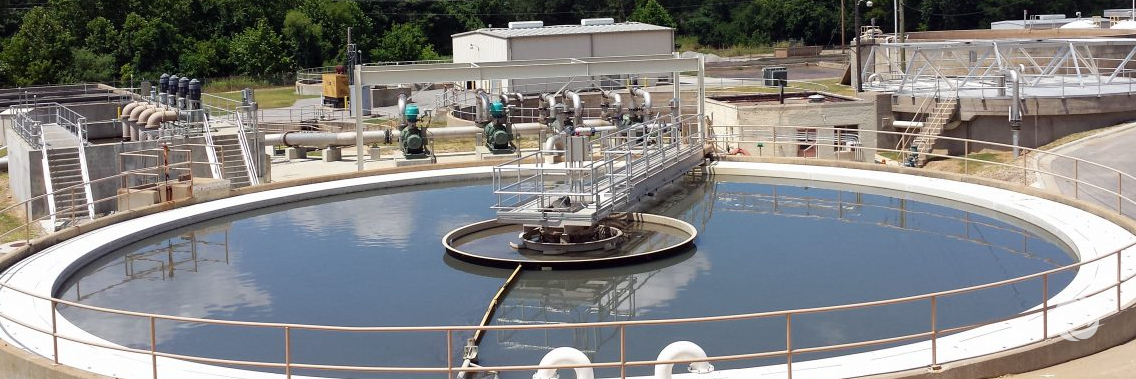
The project will help construct a new Sewage Treatment Plant at Pagla area with a capacity of treating about 150 million litres of domestic wastewater per day.
“By reducing the volume of untreated wastewater and fecal sludge into drainage canals and water bodies, the project will decrease the risk of inland floods and thus lessen the risks of water contamination,” said Arif Ahamed, World Bank Team Leader for the Dhaka Sanitation Improvement Project.
Due to damaged and clogged sewer collection and transmission network, the existing sewer treatment plant can only treat—about one-fourth of its capacity—around 30-40 million litre per day, which is below discharge standard set by the Department of Environment (DoE).
The project will receive a scale-up facility credit from the World Bank’s International Development Association (IDA), with a 34-year term, including a four-year grace period. The project also includes $170 million financing from the Asian Infrastructure Investment Bank (AIIB) and $143 million financing from the Government of Bangladesh.
Original source: World Bank
Published on 20 March 2020