
Add us as your preferred source on Google to see more of our content in Search.
 Add to Preferred Sources
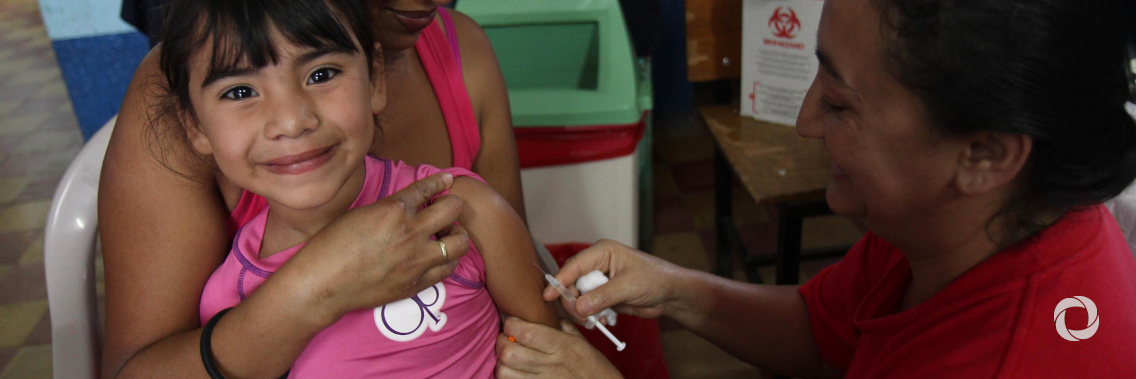
As COVID-19 continues to spread globally, over 117 million children in 37 countries may miss out on receiving the life-saving measles vaccine. Measles immunization campaigns in 24 countries have already been delayed; more will be postponed.
During this challenging period, the Measles & Rubella Initiative (M&RI) expresses solidarity with families, communities, governments and emergency responders and joins global immunization and health partners, including those within Gavi, the Vaccine Alliance and the Global Polio Eradication Initiative (GPEI) in a collective focus and fight against the threat of COVID-19. The pandemic sweeping the globe requires a coordinated effort and commitment of resources to ensure frontline health workers around the world are protected, as they face and respond to this new threat. At the same time, there is a need to champion efforts to protect essential immunization services, now and for the future.
The World Health Organization (WHO) has issued new guidelines endorsed by the Strategic Advisory Group of Experts on Immunization — to help countries to sustain immunization activities during the COVID-19 pandemic. The guidelines recommend that governments temporarily pause preventive immunization campaigns where there is no active outbreak of a vaccine-preventable disease. M&RI partners, which include the American Red Cross, the U.S. Centers for Disease Control and Prevention, UNICEF, the United Nations Foundation and WHO, strongly agree with these recommendations.
The recommendations also ask governments to undertake a careful risk-benefit analysis when deciding whether to delay vaccination campaigns in response to outbreaks, with the possibility of postponement where risks of COVID-19 transmission are deemed unacceptably high.
If the difficult choice to pause vaccination is made due to the spread of COVID-19, UNICEF urges leaders to intensify efforts to track unvaccinated children, so that the most vulnerable populations can be provided with measles vaccines as soon as it becomes possible to do so.
Despite having a safe and effective vaccine for over 50 years, measles cases surged over recent years and claimed more than 140,000 lives in 2018, mostly of children and babies – all of which were preventable. Against this already dangerous backdrop, preventive and responsive measles vaccination campaigns have now been paused or postponed in 24 countries to help avert further spread of COVID-19.
Campaigns expected to take place later in 2020 in an additional 13 countries may not be implemented. Together, more than 117 million children in 37 countries, many of whom live in regions with ongoing measles outbreaks, could be impacted by the suspension of scheduled immunization activities. This staggering number does not include the number of infants that may not be vaccinated because of the effect of COVID-19 on routine immunization services. Children younger than 12 months of age are more likely to die from measles complications, and if the circulation of measles virus is not stopped, their risk of exposure to measles will increase daily.
Finally, the Measles & Rubella Initiative calls on countries and local leaders to implement effective communication strategies to engage communities, ensure supply and demand for vaccination remains strong, and help assure a healthy life for every child especially in this challenging time.
Original source: UNICEF
Published on 13 April 2020