
Add us as your preferred source on Google to see more of our content in Search.
 Add to Preferred Sources
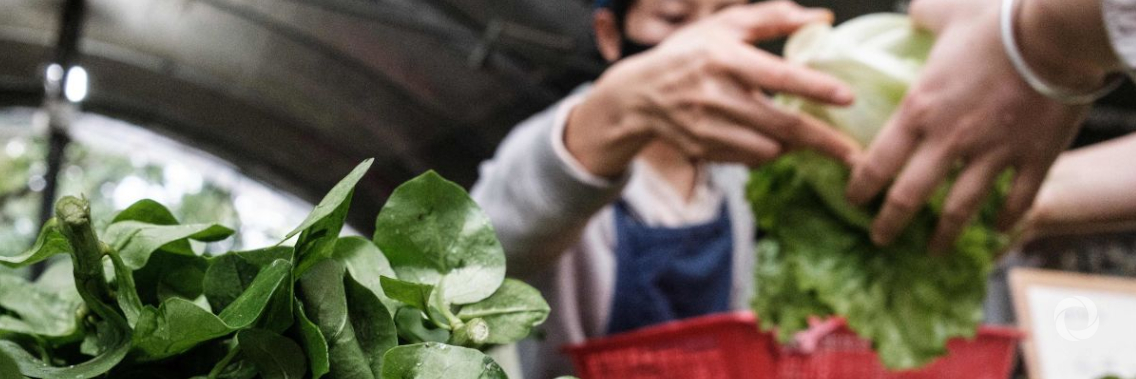
The UN food agency, FAO, warns that hunger and fatalities could rise significantly in urban areas, without measures to ensure that poor and vulnerable residents have access to food. In Latin America, cities are finding ways to keep food supplies flowing, despite the current restrictions on movement and supplies.
Several Latin American municipalities have been taking action to minimise the consequences of lockdown measures, and ensure that food systems do not break down, as work dries up.
In Quito, Ecuador, for example, authorities are using municipal buses as mobile food hubs, following the example of the Chinese city of Wuhan, where the pandemic is believed to have originated. Quito local government has also partnered with food banks, and mapped vulnerable areas, to make sure the food is distributed effectively.
In Lima, Peru, the supply of food products has been affected by the onset of the crisis, with restrictions on the movement of farmers put in place locally by city managers and leaders of rural communities.
There are fears that if these restrictions remain in place, the food supply chain in the city could be badly disrupted. For now, market prices have remained stable, but they are being monitored to counter speculation and price gouging on the black market, and a mobile wholesale market is distributing food to various districts of the metropolitan area.
And, in Montevideo, Uruguay, the mantra has become, stay local, with citizens and organizations returning to “ollas populares”; a traditional model of home deliveries of fruit, vegetable and other foodstuffs, some directly from producers, with special attention paid to the needs of vulnerable people.
These kind of initiatives reflect the warning from the Food and Agriculture Organization (FAO), that the health risk for many urban citizens is high during the pandemic, particularly the 1.2 billion who live in slums, and other informal settlements.
Responses to the pandemic by city authorities worldwide, have included closing markets and small shops – making it harder for poorer citizens, who can’t afford supermarket prices or delivery services, to buy food, and for those dependent on jobs in the food industry to make ends meet. Spikes in food prices can also occur, says the FAO, leading to civil unrest, as seen in many African cities during the 2007-2008 food crises.
To mitigate these side-effects of lockdown measures, FAO recommends scaling up support for schemes that distribute food to vulnerable people; improving access to nutritious food for all; and promoting education campaigns to help citizens reduce food waste and buy food responsibly.
In addition, the UN Food agency makes a series of recommendations to improve the food supply situation in the short-term. For example, cities should use technology to map vulnerable people and their access to food, in order to develop more effective programmes.
Original source: UN News
Published on 10 May 2020