
Add us as your preferred source on Google to see more of our content in Search.
 Add to Preferred Sources
The dire socio-economic consequences of the COVID-19 pandemic may more than double the number of hungry people in East Africa and the Horn over the next three months, a report from the United Nations World Food Programme (WFP) has found.
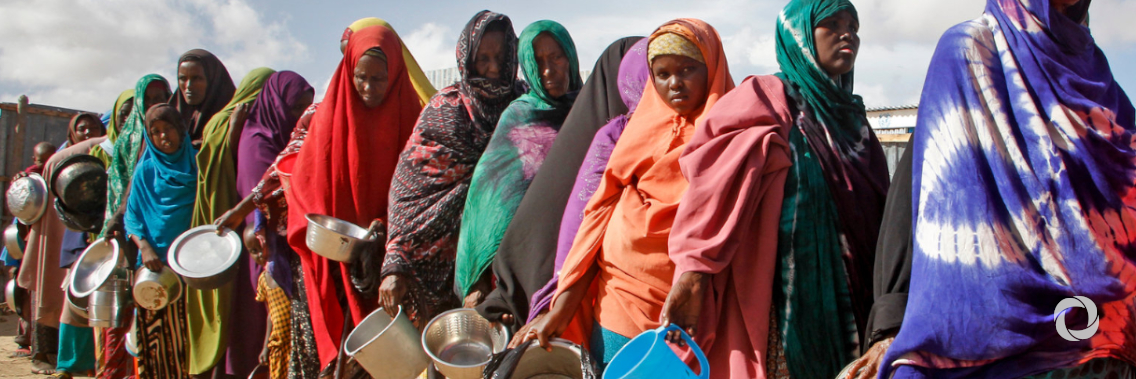
The most vulnerable and at-risk are poor urban communities living hand-to-mouth in informal settlements, and millions of refugees located in densely populated camps across the region.
An estimated 20 million people already faced acute food insecurity in nine countries before COVID-19 arrived in East Africa and the Horn, with numerous food crises, a massive outbreak of desert locusts and extensive flooding threatening millions across the region, which includes Ethiopia, South Sudan, Kenya, Somalia, Uganda, Rwanda, Burundi, Djibouti and Eritrea.
WFP projects that the number of acutely food insecure people is likely to increase to between 34 and 43 million from May through July due to the socio-economic impact of the pandemic. If the number of hungry reaches 43 million, it would have more than doubled. Among the hungry maybe 3.3 million refugees spread across the nine countries.
“COVID-19 is unprecedented as it affects not just one country or region, but the whole world. It is not just a supply-side problem, such as drought, or a demand side issue such as a recession – it is both at the same time and on a global scale,” said WFP Deputy Regional Director Brenda Behan.
“More people are expected to die from the socio-economic impact of COVID-19 than from the virus itself,” she said. “And refugees and the urban poor across the region are at greatest risk.”
Some half of the urban population in the region lives in informal urban settlements or slums, with 25 million people living hand-to-mouth each day. Millions have already lost their jobs as economies falter amid lockdowns and curfews to stop the spread of COVID-19.
Governments and humanitarian organizations are scrambling to address the loss of food security for many families in urban areas, or risk the destabilising effects of urban unrest.
WFP has a funding shortfall of US$103 million to provide full food rations or full cash transfers to more than 3 million refugees in the nine countries in the region through September.
With governments in the region imposing restrictions delaying cross-border trade because of fears that truck drivers are spreading COVID-19, WFP calls for cooperation to keep both commercial and humanitarian goods flowing so people receive the right food at the right time.
Original source: WFP
Published on 19 May 2020