
New swarms of locusts threaten to increase hunger in East Africa reeling from floods and coronavirus
Add us as your preferred source on Google to see more of our content in Search.
 Add to Preferred Sources
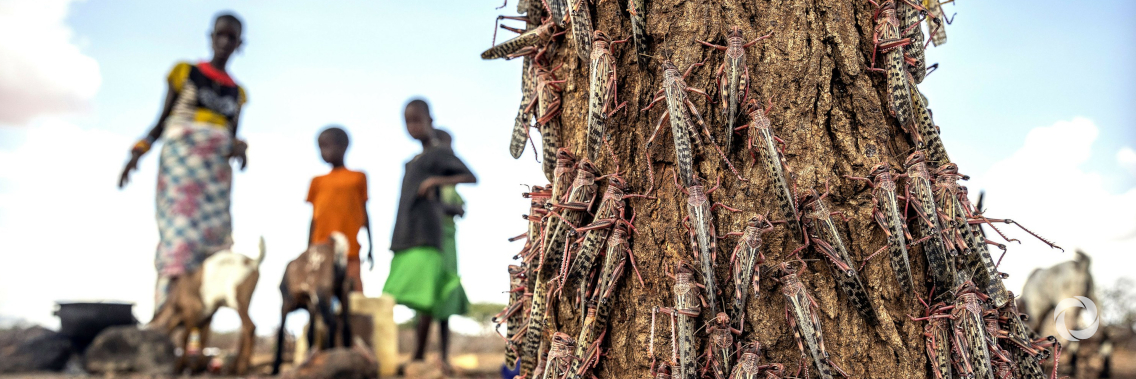
Oxfam warned that millions of people in East and Central Africa, already suffering due to flooding and the impact of coronavirus, are at risk of increased hunger and poverty as the region braces for the latest generation of locusts which are due to hatch in June – just when crops are to be harvested.
The highest rainfall in 40 years in parts of the region has caused severe flooding which has killed over 400 people, forced half a million people from their homes and destroyed crops and livelihoods.
The heavy rains, exacerbated by climate change, have also created the perfect conditions for the breeding of locusts, raising fears that the swarms could be 400 larger times than the original swarms. The locust outbreak, already the biggest in 70 years, has decimated thousands of hectares of crops throughout larger swathes of the region, especially Kenya, Ethiopia and Somalia.
Restrictions imposed by governments to contain coronavirus are also hampering efforts to stop the spread of locusts. Stocks of pesticides are dwindling as border closures have strangled the supply chain and overnight curfews restrict the ability of pilots to spray insecticide in key breeding areas.
The floods and the new wave of locust infestation will lead to increased food shortages in a region where over 33 million people are already severely food insecure. At the same time, the economic fallout from governments’ efforts to contain the pandemic is likely to push millions of people further into poverty as there are little or no social safety nets to protect them.
Oxfam is calling on more international donors to support governments in the region in providing immediate assistance, including increased cash grants, to help the poorest and most vulnerable people survive the multiple crises.
Oxfam is working closely with local partners in Ethiopia, Kenya. Uganda and Somalia, to provide cash assistance to more than 6000 households to buy food. Oxfam is also distributing soap, hygiene kits and clean water to hospitals and communities. Oxfam staff have been increasing public awareness to help prevent the spread of coronavirus, including broadcasting messages in local languages with megaphones in rural villages.
To overcome some of the lockdown challenges, Oxfam is working with mobile phone operators to supply e-vouchers for soap and water through “water ATMs” – pre-paid machines that dispense water to the most vulnerable communities.
Oxfam also developed a mobile GPS app that allows community volunteers to record data on local locust infestations which are then shared with government response teams.
Oxfam is calling for almost $46 million to help almost three million people with life-saving aid in the region.
Original source: Oxfam
Published on 26 May 2020