
Add us as your preferred source on Google to see more of our content in Search.
 Add to Preferred Sources
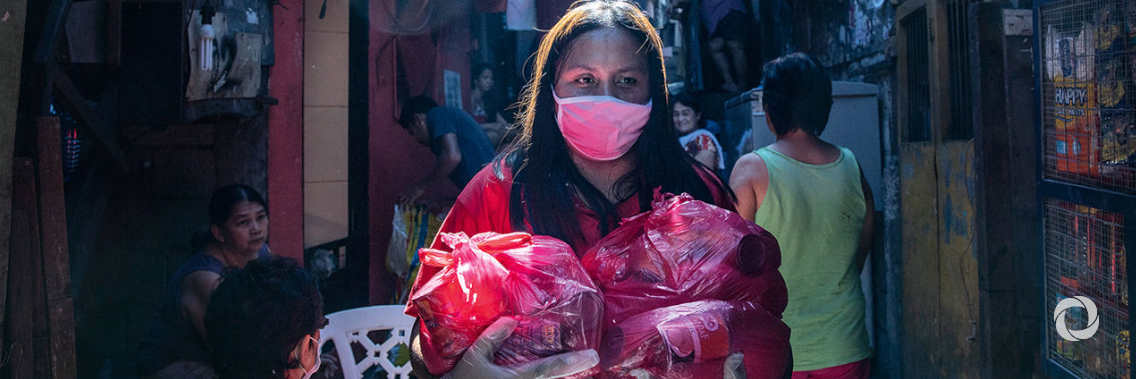
The socio-economic impact of the COVID-19 pandemic in Latin America and the Caribbean could potentially leave around 14 million vulnerable people in severe food insecurity this year, warranting urgent attention to save lives, according to projections by the United Nations World Food Programme (WFP).
“It is vital and urgent that we provide food assistance to the growing number of vulnerable people in the region, as well as those who depend on informal work,” said Miguel Barreto, WFP Regional Director for Latin America and the Caribbean. “We still have time to prevent the COVID-19 pandemic from becoming a hunger pandemic.”
The estimate suggests that an additional 10 million people could be pushed into poverty and hunger in 11 countries in the region, including the small island developing states in the Caribbean. In 2019, 3.4 million people were facing severe food insecurity, meaning they were in an emergency-like situation and were unable to meet their basic food needs both in quantity and diversity.
The WFP projection is based on the comparison between food security assessments carried out in 2019, an analysis of economic indicators after the COVID-19 outbreak, and the results of remote surveys completed in 2020 to assess the pandemic´s impact on markets access, food security, and livelihoods.
The analysis of economic indicators for 2020 is not encouraging. With the pandemic, the Economic Commission for Latin America and the Caribbean (ECLAC) forecasts an average regional contraction of -5.3 percent for this year. The impact of this contraction in economic activity can aggravate the already precarious condition of millions of vulnerable people who need to work to have access to food. Movement restrictions and shelter-in-place orders make it difficult or impossible to do so currently. ECLAC and the International Labour Organization (ILO) estimates on job losses by the poor working class and the loss of income from remittances from abroad were also negative.
WFP urges countries to provide additional support to beneficiaries of national social protection programmes and to expand its coverage to more groups, such as migrants and people without formal employment. In order to respond quickly and at scale to the enormous challenge presented by COVID-19, some countries need assistance from international financial institutions and the international community.
“Working together, we can minimize the risk of food insecurity and protect the most vulnerable countries and communities from the potentially devastating effects of the pandemic,” said Barreto.
In order to raise awareness of what COVID-hit communities are facing, WFP launched the #MissingThisMeal campaign, an opportunity for individuals to show solidarity with the people most vulnerable to the effects of the pandemic.
Original source: WFP
Published on 27 May 2020