
Coronavirus a challenge, and opportunity, to fix remittances system than funnels billions home from abroad
Add us as your preferred source on Google to see more of our content in Search.
 Add to Preferred Sources
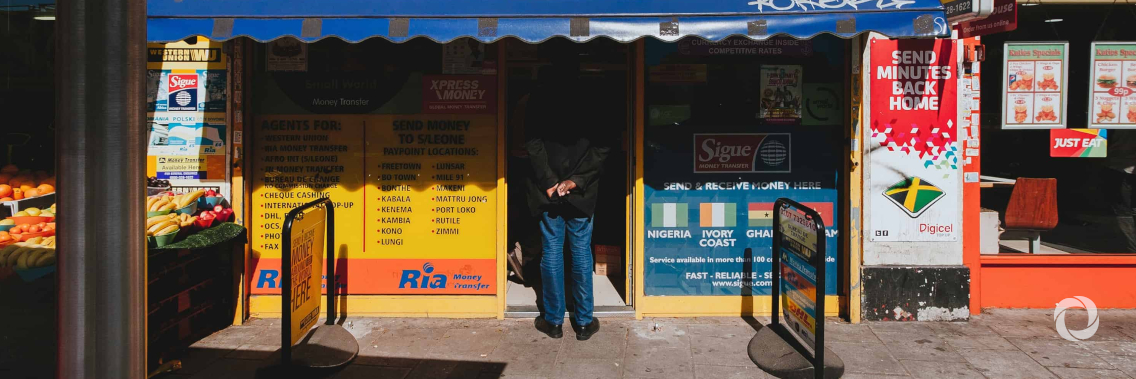
With a euro here and a dollar there, remittances – the money that migrant workers send home to their families – have been adding up in a big way to contribute to the Sustainable Development Goals and lift tens of millions out of extreme poverty.
Then came the COVID-19 pandemic – and, ironically, a chance to improve a unique segment of the global financial system that accounts for more than five percent of gross domestic product for at least 60 low- and medium-income countries – more than the total of foreign direct investment or official development assistance handed out by governments.
“Regardless of whether nor not the (post-coronavirus) recovery will be faster than expected, the global pandemic has exposed the vulnerabilities of the global remittances system,” said Gilbert F. Houngbo, President of the International Fund for Agricultural Development (IFAD), a specialized agency of the UN in Rome.
Last year, remittances to low- and medium-income countries hit a record $554 billion, according to the World Bank, with 200 million migrant workers in 40 rich countries sending home funds to support 800 million relatives in more than 125 developing nations.
Half of those receiving families live in rural areas where remittances count the most, Mr. Houngbo said.
But with the onset of the novel coronavirus pandemic, the World Bank projects that cross-border remittances will fall by 20 percent, or $110 billion, to $445 billion, potentially pulling tens of millions below the poverty line while undermining progress towards fulfilling the 2030 Agenda for Sustainable Development.
With no V-shaped recovery likely in 2021, savings will be depleted, and local conditions will worsen, as remittances are not expected to return to pre-pandemic levels for some time.
In response, Switzerland and the United Kingdom – joined by several other Member States, the World Bank, the United Nations Development Programme (UNDP) and other UN agencies and industry groups –issued a global “call to action” to ensure that migrant workers and diaspora communities can keep sending back money in ways that can also improve the remittance system.
It urges policymakers not only to declare the provision of remittances as an essential public service, but also to support the development of more efficient digital remittance channels.
Original source: UN News
Published on 02 June 2020