
Add us as your preferred source on Google to see more of our content in Search.
 Add to Preferred Sources
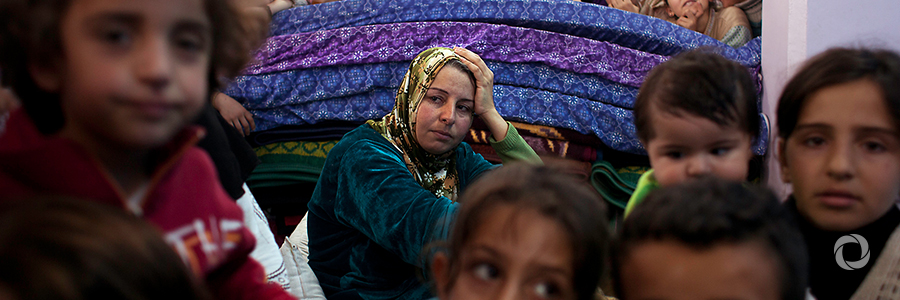
 United Nations officials and international aid workers fear the Turkish government is gearing up to shutter more Western non-government organisations working with Syrian refugees and overseeing cross-border relief missions inside Syria following the expulsion Tuesday of Mercy Corps, one of the world’s biggest humanitarian nonprofits. The offices of more than half-dozen major Western NGOs and aid organizations with offices in the southern Turkish border towns of Gaziantep and Hatay were visited this week by Turkish officials, who demanded registration documents as well as copies of staff lists. The officials also scrutinised the work permits of international employees. At least two international NGOs have been ordered so far to undergo the laborious bureaucratic process of re-registering their presence in the country, according to several aid workers.
U.N. officials say they suspect all Western NGOs are likely to be instructed shortly to re-register and it is unclear whether they will be allowed in the meantime to continue working with more than 2 million Syrian refugees in Turkey or to transport relief supplies to hundreds of thousands of displaced civilians inside war-wracked Syria. U.N. officials told VOA they are urgently seeking clarification from the Turkish authorities.
 According to an internal “read-out” by the U.N.’s Office for the Coordination of Humanitarian Affairs (OHCA), Turkey’s interior ministry “is planning on canceling all existing INGO registrations and asking INGOs to resubmit registration requests following new rules and regulations within three months.” The OHCA warns that the Turkish government is likely to use this process as a “way to choose which organizations they want to keep in country.”
According to OHCA, the interior ministry recently held a meeting of all Turkey’s regional governors to discuss new rules and regulations for INGOs — the first time, U.N. officials noted, that the Turkish government has organized a governor-level coordination meeting about international relief organizations.
Some of the most respected organisations on the international aid scene were among the agencies inspected this week, prompting mounting fears among aid workers that they are being targeted. They include: the International Rescue Committee, CARE International, Counterpart and Global Communities and International Medical Corps — all are U.S.-based. The British NGO Integrity also was inspected. Several other NGOs have been inspected but asked not to be listed for fear of incurring Ankara’s wrath.
“Our offices in Gaziantep were visited this week, we have heard other international NGOs have been inspected as well,” confirmed Holly Frew, a spokeswoman for Care.
Frew said Care has not been asked to leave, but she said it is unusual for so many relief organizations to be inspected at the same time. According to another aid worker, inspections by Turkish authorities in the past have taken place on an annual basis.
“Since the Mercy Corps expulsion there has been an escalation in INGO inspections, this really is ominous.”
Mercy Corps, which has been working in Turkey since 2012, was informed abruptly on Tuesday by the Turkish interior ministry that it no longer had permission to work in Turkey and was ordered to shut down its operations immediately. The aid group said Turkish authorities offered no reason for the sudden closure and noted it had been working in close cooperation with the Turkish government.
In recent months pro-government Turkish newspapers have rounded on Western NGOs, and amid a mounting press clamor alleged Mercy Corps and other international aid groups have been helping terrorists and conspiring against the government of President Recep Tayyip Erdogan. Mercy Corps, which is based in Portland, Oregon, and other relief organizations have vehemently denied the claims.
“We have every confidence in the impartiality and the integrity of our operations. We’re not a political organisation and our reason for being is to deliver assistance to civilians who need it the most,” Christine Bragale, Mercy Corps’ director of media relations.
A Turkish government official told Reuters that the decision to expel Mercy Corps was “technical,” arguing the NGO failed to meet documentation requirements. But aid workers and U.N. officials fear there was nothing technical about the expulsion of Mercy Corps. State Department spokesman Mark Toner midweek said U.S. concerns about the expulsion of Mercy Corps have been communicated to Ankara as well as anxieties about the “impact it will have on critical humanitarian assistance to vulnerable populations.”
Relations between international NGOs and Erdogan’s government have been fraught and often tense since the Syrian conflict started six years ago, aid workers say. The registration process has often been difficult and Ankara has been strict about regulations governing what NGOs can do, where they can go and where they can send aid. The United Nations refugee agency has been blocked frequently from aiding Syrian refugees who are living outside official camps, U.N. officials say.
But relations have become much more fraught in recent months. Ankara has blocked international aid agencies from working in a Turkish-controlled zone carved out in northern Syria since August, preferring to work with Turkish NGOs favored by Erdogan, many of which are Islamist in ideology.
Analysts have noted that the press campaign against international relief organizations and Western NGOs tends to become more vehement when the Turkish government comes under criticism for alleged human rights abuses by Western governments.
by Jamie Dettmer
Source: VOA News. Read full article.
10 March, 2017