
Add us as your preferred source on Google to see more of our content in Search.
 Add to Preferred Sources
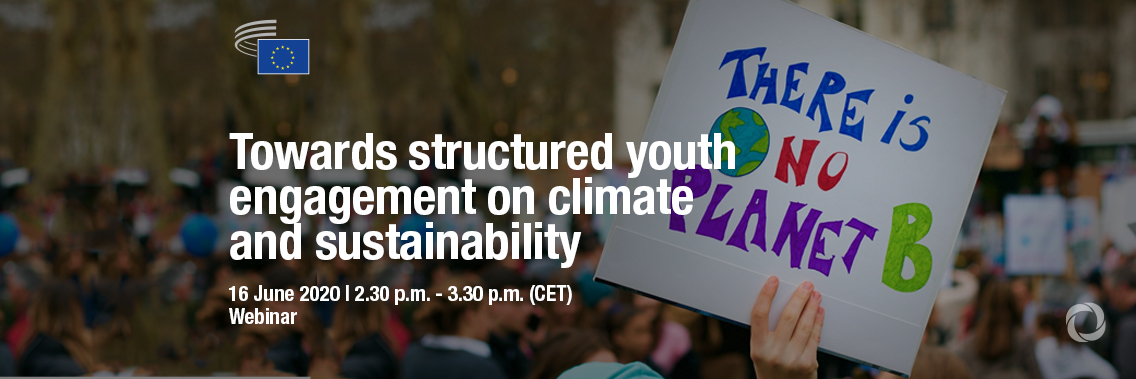
? 16 June 2020 ? 2.30 p.m. – 3.30 p.m. (CET)
Webinar
The world today is facing a climate emergency. The response of governments to the climate crisis thus far has not been sufficient and the world is not on track to meet the objective of the Paris Agreement and the SDGs.
Civil society has been calling forcefully for more ambitious and urgent climate action. The most dramatic demonstration of these calls are the youth climate strikes.
This webinar organised by the European Economic and Social Committee (EESC) will:
- reflect on the building blocks for a new structured approach to youth engagement in climate and sustainability policies at EU level;
- provide input for the EESC own-initiative opinion ‘Towards structured youth engagement on climate and sustainability’.
Young people have the right to have a say on matters that concern them.
- Their right to participate is anchored in the 2030 Agenda, which acknowledges youth as “critical agents of change”;
- No other issue has mobilised more young people around the world in the last years than climate change;
- The decisions on climate change and other environmental issues taken by political leaders today will affect generations to come and impact on how sustainable their future will be. In this context, the principle of intergenerational equity must be given due consideration.
Recovering from COVID-19 while keeping Climate Action high on the agenda
Lessons that will be learnt from the current COVID-19 pandemic should be applied to dealing with the climate crisis. We should:
- ensure that the design and implementation of recovery from the economic impact of the pandemic keeps climate action and sustainability commitments at the forefront of policy;
- advocate for a paradigm shift towards a more participatory model of multi-stakeholder governance for sustainable development with young people structurally and meaningfully engaged.
Original source: EESC
Published on 12 June 2020