
Add us as your preferred source on Google to see more of our content in Search.
 Add to Preferred Sources
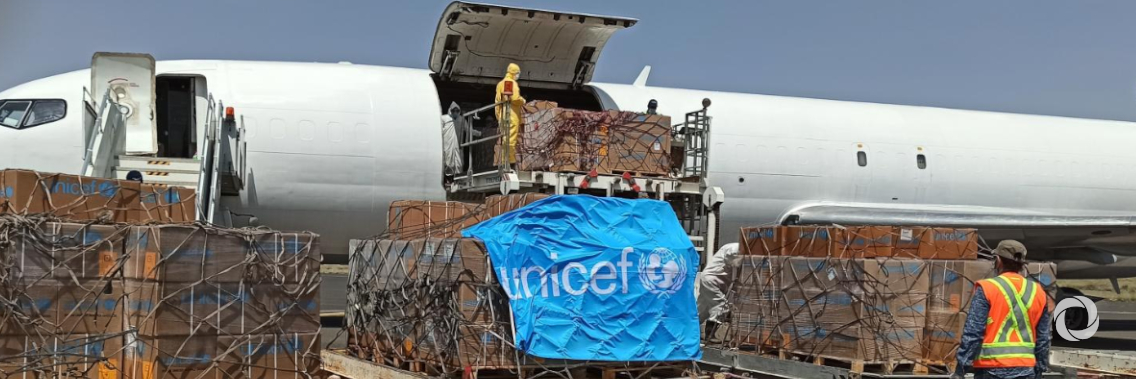
The first batch of 10,000 COVID-19 tests arrived in Sana’a on a UNICEF-chartered plane, to increase the COVID-19 testing capacity amid the rapid increase of cases in Yemen. An additional shipment of 8,000 tests is expected to arrive in Aden in the coming days.
“These test kits will allow wider testing for COVID-19 across the country and the timely management of confirmed cases to save lives,” said Sara Beysolow Nyanti, UNICEF Representative in Yemen. “UNICEF continues to bring critical supplies to Yemen to support the response efforts and protect children and their communities against the pandemic.”
Since the first COVID-19 case was officially confirmed in Yemen on 10 April, UNICEF has shipped over 33,000 N95 respirators, 33,000 face shields, and 18,000 gowns into the country. This crucial personal protective equipment (PPE) will support 400 frontline health workers for three months, but only represents five percent of the COVID-19 supplies that UNICEF requires in Yemen.
COVID-19 is just the latest challenge for families in Yemen. The danger to children and their families is compounded by general low immunity, high levels of malnutrition among children, a lack of regular access to basic services including immunization, and a devastated healthcare system where only half of the facilities are functional due to conflict.
UNICEF’s COVID-19 response in Yemen remains severely under-funded. So far, only 10 percent of UNICEF’s US$53 million funding appeal has been received.
Without receiving the additional US$48 million immediately, UNICEF will not be able to continue its lifesaving response to the COVID-19 pandemic, including:
- Providing PPE items, operations, and sensitization support to 30,000 frontline health workers.
- Establishing and conducting a safe screening of patients for continuity of services in 4,000 health facilities.
- Providing safe water and sanitation services for 900,000 people in isolation centres and quarantine facilities.
- Improving capacity for oxygen therapy by procuring much-needed oxygen concentrators.
Original source: UNICEF
Published on 18 June 2020