
Add us as your preferred source on Google to see more of our content in Search.
 Add to Preferred Sources
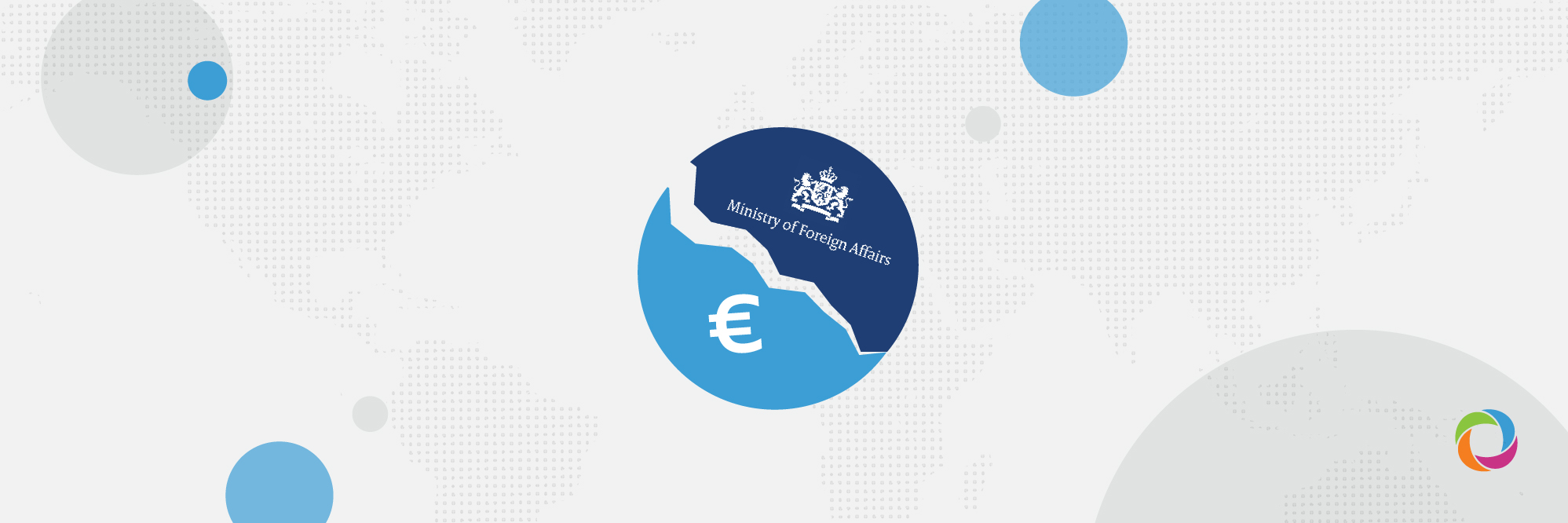
Free Press Unlimited, the Dutch aid organization that promotes the freedom of the press worldwide, will not receive a new subsidy from the Dutch Ministry of Foreign Affairs. This financial setback was confirmed by both Free Press Unlimited and the ministry and leaves the organization in a challenging search for vital funding for 2021 and beyond.
Free Press Unlimited, which employs 85 people, has had a long-term relationship with the Ministry of Foreign Affairs. In the past five years, the organization has received between 10 and 15 million euros annually as a government subsidy, mainly through the program “Dialogue & Dissent”. In 2019, the organization had a budget of EURO 17 million, with the funding going into media support programs in almost 50 countries around the world, mostly in Africa and Eurasia.
With this funding, Free Press Unlimited has supported fifty partners in twenty countries in the setting up of media organizations. “It’s about crucial, life-saving journalism,” said director Leon Willems. He cites as an example the investigative journalism in Java where Javanese journalists looked into abuse on Japanese and South Korean fishing boats. The investigations discovered that Indonesian fishermen were unfairly exploited by fishing companies and this led to a new treaty between Indonesia and South Korea resulting in better protection for the people.
The “Dialogue & Dissent” program ends in 2020 and Free Press Unlimited has proactively tried to secure funding for the future by submitting an application for the new program, ‘Power of Voices’, aimed at strengthening civil society. The emphasis is more on sustainability, combating climate change and the rights of LGBTI people. However, Free Press Unlimited was not among “the selected partners,” said a Foreign Affairs spokesman.
The reasons for the rejection of the application remain unclear at present and Free Press Unlimited is now investigating the issue. Willems says. “We could have understood if the money had been directed to another press freedom organization, but that is not the case.” He points out that the budget available released for journalism worldwide has decreased in recent years. The organization fears that it might be forced to abandon its fifty foreign partners which could fundamentally affect their activity. Free Press Unlimited is also the founder of the Dutch platform PubLeaks, which connects whistleblowers to journalists and allows them to safely share information with the media. Publeaks has also been launched in Mexico, Nigeria and Indonesia.
The Ministry of Foreign Affairs cannot explain why Free Press Unlimited was not chosen and a spokesman has confirmed there is no change of policy and the ministry still stands for press freedom. “Free Press Unlimited remains an important partner with which we carry out various projects such as in Venezuela, in the western Balkans, in Tunisia and in Nigeria.”
In 2020, Free Press Unlimited managed to secure comparatively increased funding totaling €21 million, of which €18 million was in the form of governmental grants. The highest amount of governmental funding was the grant for the project “No News is Bad News”.
To review existing jobs for media professionals and journalists in the development sector, visit the DevelopmentAid website.