
Add us as your preferred source on Google to see more of our content in Search.
 Add to Preferred Sources
At the fourth Brussels Conference on “Supporting the future of Syria and the Region”, the international community pledged a total of €6.9 billion for Syria and the main countries hosting Syrian refugees for 2020 and beyond.
Of this amount, the European Union overall pledged 71%, or €4.9 billion, with €2.3 billion coming from the European Commission and €2.6 billion from EU Member States. The EU and its Member States are the largest donor addressing the consequences of the Syrian crisis with over €20 billion of humanitarian, stabilisation, development, and economic assistance mobilised since 2011.
The Brussels IV Conference, taking place virtually from 22 to 30 June and co-chaired with the United Nations, gathered all relevant actors from over 80 countries and international organisations. They addressed the current situation in Syria and the region and renewed their support to UN-led efforts for a comprehensive political solution to the conflict. It also provided a unique platform for dialogue with civil society.
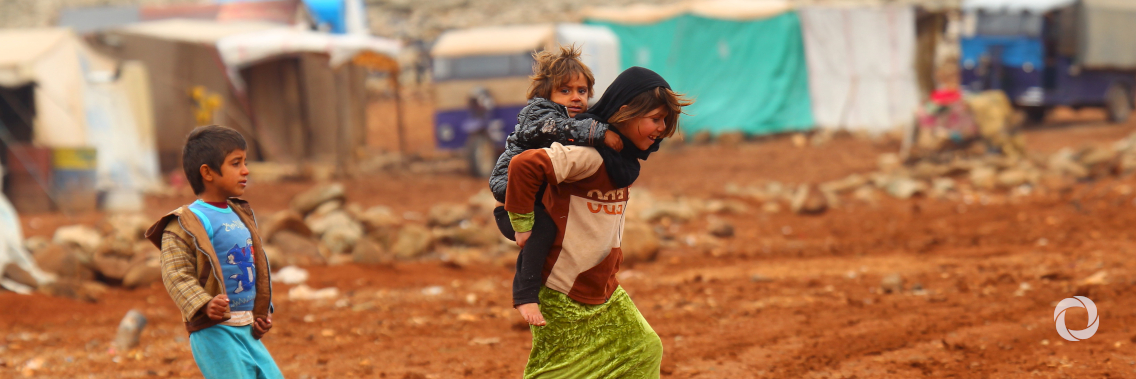
High Representative/Vice-President Josep Borrell said: “Almost 10 years of war have meant that half of the Syrian population have had to flee their homes. Over half a million people have died. An entire generation of Syrian children has only known war. Their future and the future of their country is still being held hostage. Europe cannot and will not look away. All Syrians deserve a better, peaceful future. Today, we have brought together all relevant international actors to confirm our commitment to supporting the Syrian people and UN efforts to find a comprehensive and lasting political solution to the Syrian conflict.”
The EU has contributed €20 billion in response to the Syrian crisis, reaching nearly 7 million refugees and vulnerable people in host communities. Across the region, the EU has helped to build schools, provide education, create social safety nets, generate jobs and ensure macro-economic stability, in support of the refugees and the host communities.
Original source: European Commission
Published on 30 June 2020