
Add us as your preferred source on Google to see more of our content in Search.
 Add to Preferred Sources
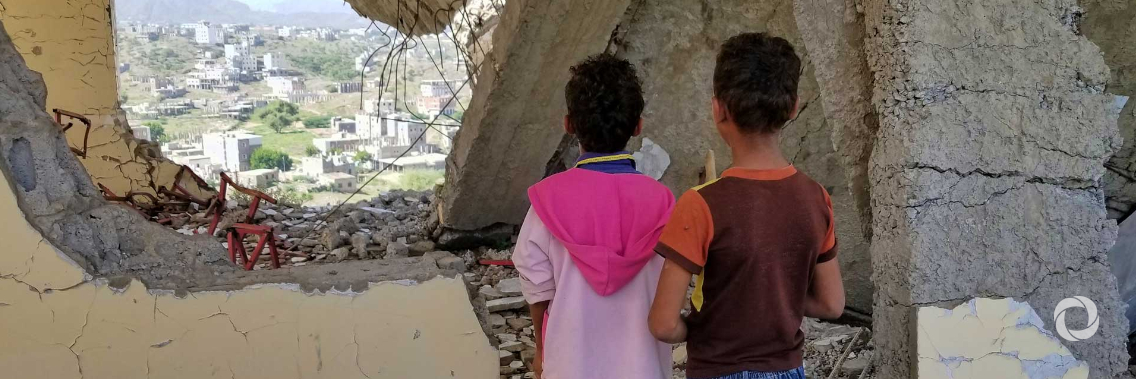
The Security Council echoed the Secretary-General’s call for a worldwide ceasefire, to combat the coronavirus pandemic that has already claimed more than half a million lives. The UN chief welcomed the long-awaited move, calling for countries to “redouble their efforts for peace”.
Unanimously adopting resolution 2532 (2020) on July 1, the 15-member peace and security body demanded “a general and immediate cessation of hostilities in all situations, on its agenda.”
It also voiced its support for efforts by Secretary-General António Guterres – who first appealed for a global ceasefire on 23 March – towards that goal.
The unprecedented extent of the novel coronavirus pandemic “is likely to endanger the maintenance of international peace and security”, it said, adding that it could also set back peacebuilding and development gains in countries emerging from conflict.
The two-page resolution – drafted by France and Tunisia – was adopted 111 days after the World Health Organization (WHO) declared COVID-19 to be a global pandemic.
“It is a very strong signal of unity (within) the Council and a sign of hope that we send from the Security Council out into the world”, said Christoph Heusgen, Germany’s Permanent Representative to the UN.
He announced the 15-in-favour vote on the first day of his country’s Council presidency.
Through the resolution, the Council called upon all parties to armed conflicts to immediately engage in a “durable humanitarian pause” of at least 90 days, to enable the safe, unhindered, and sustained delivery of lifesaving aid.
It affirmed, however, that no ceasefire would apply for ongoing military operations against the extremist group ISIL, otherwise known as Da’esh, Al Qaeda, the Al Nusra Front and other Council-designated terrorist groups.
It requested the Secretary-General to instruct the United Nations’ 13 peacekeeping missions to support host country efforts to contain the coronavirus, and to provide updates on UN efforts to address the pandemic in conflict zones and humanitarian crisis areas.
Original source: UN News
Published on 01 July 2020