
PAHO urges countries to continue fight against malaria during COVID-19 pandemic, especially among vulnerable communities
Add us as your preferred source on Google to see more of our content in Search.
 Add to Preferred Sources
The Pan American Health Organization is urging countries to continue actions against malaria in the Americas, in line with the response to the COVID-19 pandemic, especially among vulnerable populations.
In a recent Epidemiological Update, PAHO said, “This situation is especially worrying in areas where indigenous communities reside and in cities in the Amazon region of Brazil and Peru and in areas of the Pacific region in Colombia. The malaria situation throughout the Region is being impacted by the coexistence of the COVID19 pandemic.”
Due to the COVID-19 pandemic, people may be reluctant to seek early diagnosis and treatment for malaria because they are worried about going to clinics, and malaria staff in the health services may have been reassigned to work on the pandemic.
“We have medicines to treat malaria, although the supply chain has been affected by restrictions resulting from the COVID-19 pandemic,” he added.
Malaria is a life-threatening disease caused by parasites that are transmitted to people through the bites of infected mosquitoes. In the Americas, 138 million people live in areas at risk of malaria, and some 765,000 cases and around 340 deaths were reported in 2018.
Although there was an overall reduction of malaria cases before the introduction of COVID-19 in the Americas, eight countries reported a total increase in cases: Haiti, Nicaragua, Panama, Dominican Republic, Honduras, Costa Rica, and Suriname.
PAHO has issued recommendations on measures to sustain malaria control efforts. These detail how to protect the health of workers and all those involved in malaria actions, how to coordinate provisions for early diagnosis of malaria in case of fever in endemic areas, and how to differentiate malaria diagnostic processes from COVID-19 diagnoses in health services.
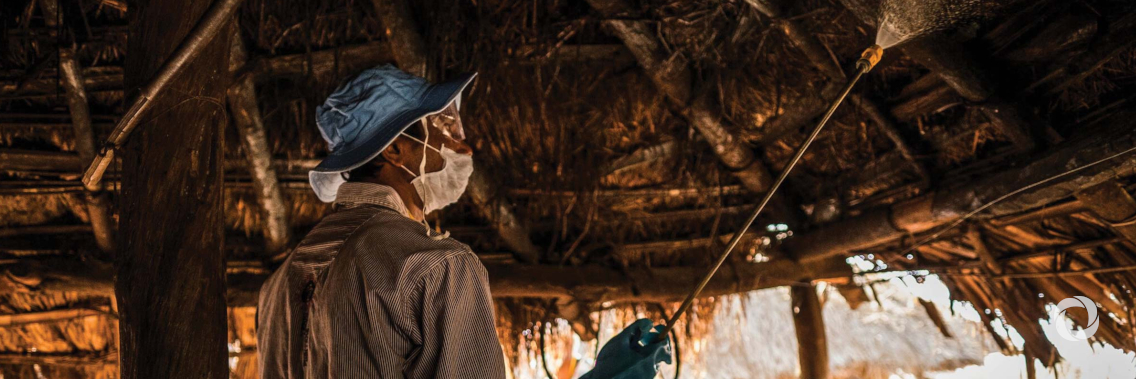
Continuing core malaria prevention measures such as distributing insecticide-treated nets and carrying out planned indoor residual spraying, along with appropriate testing and treatment of patients are important strategies for reducing the strain on health systems, PAHO noted.
PAHO recommended that countries accelerate purchases of antimalarial drugs and rapid diagnostic tests, and guide patients with fever but no respiratory symptoms to malaria diagnosis and treatment. It suggested active search brigades, with health workers using Personal Protection Equipment (PPE), operate in coordination with COVID-19 actions.
Other challenges of malaria in the Americas include an increase in transmission related to gold mining and movements of vulnerable population between and within countries, as well as weakening of the actions of malaria programs that may worsen in the context of COVID-19.
Original source: PAHO
Published on 06 July 2020