
After six months of COVID-19, strong coordination across countries and evidence-based decisions are key to fight the pandemic
Add us as your preferred source on Google to see more of our content in Search.
 Add to Preferred Sources
As the region of the Americas reports 100,000 cases of COVID-19 a day, the Director of the Pan American Health Organization (PAHO), Carissa F. Etienne, called for strong coordination across countries, evidence to guide leaders’ actions and for people to protect themselves and others.
“The past six months have shaken our world. The next six months will not be easier, and we cannot let our guard down. To endure, we must rely on our growing knowledge of this virus, our ability to apply these learnings in solidarity and our unwavering resolve,” Etienne said.
Addressing the COVID-19 pandemic requires strong coordination across countries, a deep understanding of epidemiological trends, clear guidance, and a reliable supply of health products. These are all things that PAHO is actively doing to strengthen the response of our Member States.
Noting that cases in the Americas reached 5.9 million with almost 267,000 deaths, Etienne said “Last week there were 735,000 new cases in the region, with an average of over 100,000 cases reported every day.”
COVID-19 cases in the Americas continue to accelerate, with 20 percent more cases last week than the previous week, but new patterns are emerging.
“Two months ago, the U.S. accounted for 75% of the COVID-19 cases in our region. This past week, the U.S. reported just under half of the cases in the region, while Latin America and the Caribbean registered more than 50% of cases, and Brazil alone reported around a quarter of those,” Etienne told a media briefing.
The past six months have brought some “positive surprises” that have confirmed the resilience of our health systems, and some “unexpected challenges that must be addressed in the ensuing months.
Countries in the region adopted preventive measures early on, set up emergency facilities very quickly, and improved their systems to detect the virus.
However, there are several persistent challenges the region has to address to control the pandemic.
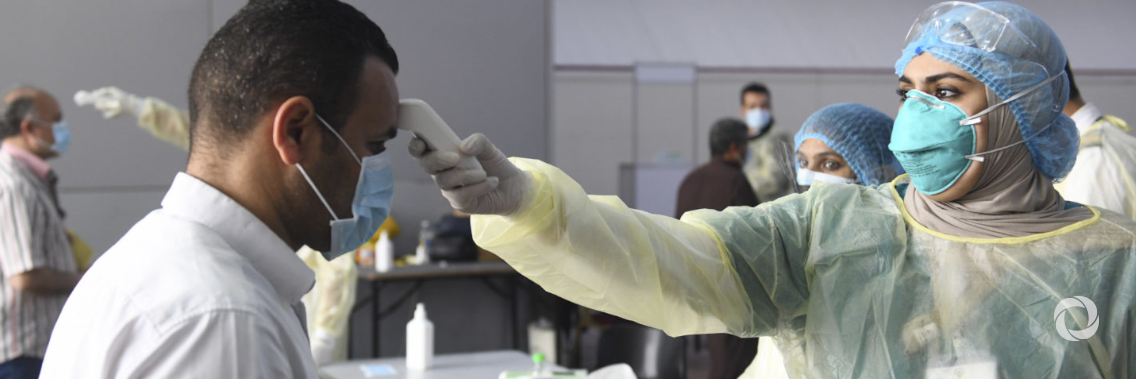
A top priority is protecting nurses, doctors, and other vulnerable health workers with adequate personal protective equipment, Dr. Etienne noted.
“Throughout the region we have received reports of health workers becoming ill in the line of duty because of lack of personal protective equipment or due to unsafe work conditions.”
PAHO has provided guidance, training, and Personal Protective Equipment to countries and continues to support them to create better working conditions for frontline workers.
Original source: PAHO
Published on 07 July 2020