
Add us as your preferred source on Google to see more of our content in Search.
 Add to Preferred Sources
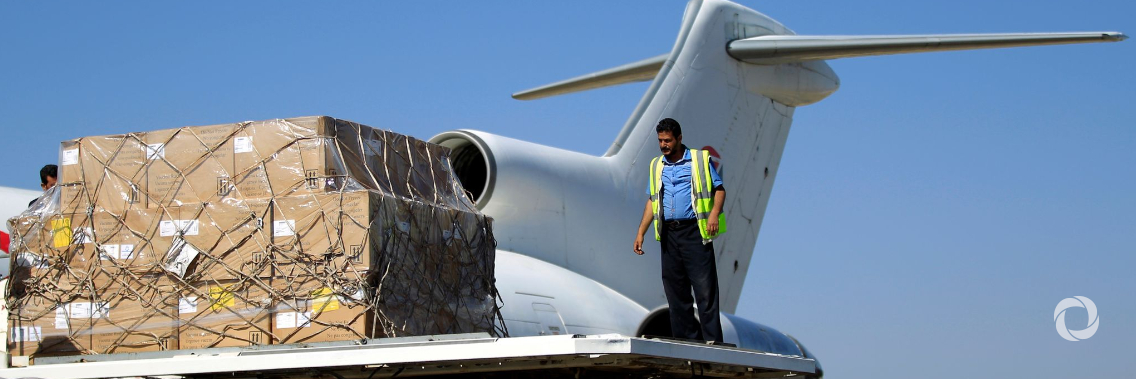
A new EU Humanitarian Air Bridge flight has departed from Liège, Belgium, with medical and other essential supplies to reinforce the humanitarian response in Yemen. In total, over 220 tons of critical items are being delivered to the most vulnerable Yemenis. It has been facilitated by the collaborative efforts of Sweden and the EU.
This EU Humanitarian Air Bridge makes up for logistical challenges and restrictions in the wake of the coronavirus pandemic since the usual supply lines have been seriously affected.
In addition, the EU is allocating an additional €70 million to scale up assistance across Yemen, bringing its humanitarian support in 2020 to €115 million.
Janez Lenarčič, Commissioner for Crisis Management, said: “This EU Air Bridge operation to Yemen is the largest of its kind since our flights to countries affected by the Coronavirus. The EU operation and additional funding show the urgency of helping the people of Yemen in their hour of need. The rapid spread of the coronavirus in a country that is already dealing with the world’s worst humanitarian crisis is adding another layer of suffering. Aid must get through today, not tomorrow. I urge all parties to the conflict to abide by their international obligation to grant unhindered access to impartial humanitarian aid organisations so they can help the people of Yemen.”
The EU’s Humanitarian Air Bridge to Yemen will transport urgent humanitarian cargo to both Aden and Sana’a and will run until early August.
The supplies will benefit the coronavirus response but also enable the continuation of other lifesaving humanitarian programmes by UN agencies, international non-governmental organisations and the Red Cross/Red Crescent movement.
EU-funded humanitarian actions in Yemen focus on emergency support to civilians affected by the conflict, including the response to acute malnutrition, food insecurity, natural hazards, and epidemics.
Original source: European Union
Published on 23 July 2020