
Add us as your preferred source on Google to see more of our content in Search.
 Add to Preferred Sources
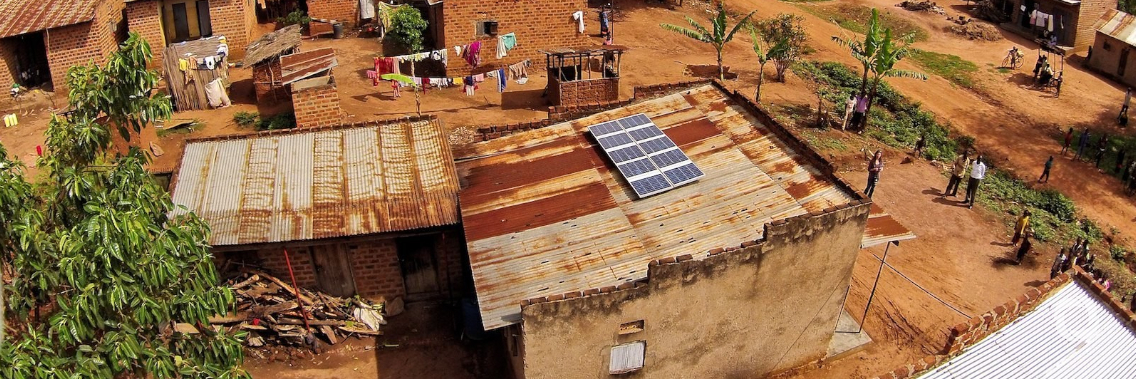
Millions of people, smallholders, and entrepreneurs in remote villages across Uganda are set to access reliable and cheap electricity for the first time under a new off-grid solar scheme agreed between ENGIE, through its Solar Home System company Fenix International and the European Investment Bank, one of the world’s largest financiers of renewable energy.
“Access to affordable and clean energy is important to fight poverty, create jobs and empower women and girls. The European Investment Bank is pleased to agree on new support for scaling up off-grid solar deployment in East Africa under this new partnership with ENGIE. Over a million people across Uganda will be able to access electricity for the first time that will power communications, provide light, and make cooking easier. This scheme will also reduce the use of kerosene, charcoal and candles to help families save money, reduce pollution and reduce the risk of accidents. Unlocking sustainable economic and social development through off-grid solar is key for Africa’s future and the EIB is pleased to back this project in Uganda.” said Ambroise Fayolle, European Investment Bank Vice President.
The European Investment Bank has agreed to provide a USD 12.5 million loan to support the deployment of 240,000 high-quality solar home systems in Uganda by Fenix International, a subsidiary of ENGIE.
Only one in five Ugandans living in remote and rural communities has access to reliable electricity. By scaling up adoption of off-grid solar technology this new initiative will provide economic, social, education, and health opportunities for families and entrepreneurs who cannot be connected to the national electricity network.
Customers will also be able to benefit from Fenix International’s service centres that provide support in 30 languages across Uganda.
Following the new agreement between Fenix and the European Investment Bank households, entrepreneurs and smallholders across Uganda will be able to access electricity for mobile phones, solar lighting, refrigeration, radio, and television. This will help farmers to sell produce, create new markets for traders, and improve health.
Increased provision of reliable and affordable energy will create new opportunities for women and girls and reduce exposure to indoor pollution from current kerosene use.
Original source: EIB
Published on 28 July 2020