
Add us as your preferred source on Google to see more of our content in Search.
 Add to Preferred Sources
An emergency project aimed at reducing Tajikistan’s vulnerability to COVID-19-related food insecurity will benefit an estimated 11,985 people directly, including 5,865 women and girls, and about 80,395 indirectly.
The Aga Khan Foundation (AKF), with the support of the Government of Switzerland, has successfully launched the project in 12 districts of Khatlon region, Gorno Badakhshan Autonomous Oblast, Sughd region and Rasht Valley of Tajikistan.
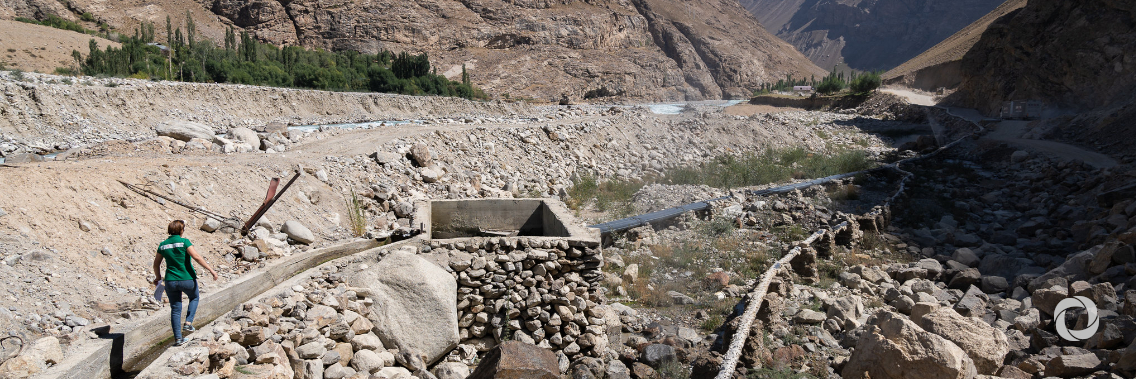
The project aims to address limited access to agricultural products, low water, and land productivity, lack of high-quality seeds and fertilisers – all of which can exacerbate food insecurity, malnutrition, and vulnerability to the virus. The project focuses on increasing agriculture production and improving agriculture output through the provision of critical irrigation infrastructure and improved access to quality agricultural inputs such as seeds and fertilisers. Improved irrigation systems and water access will not only increase agriculture production but also create new arable land leading to enhanced agriculture productivity and efficient use of natural resources.
“It is of utmost importance to invest in and protect food security today rather than rebuild it tomorrow,” said Kishwar Abdulalishoev, CEO, Aga Khan Foundation Tajikistan.
The project is in line with and contributes towards, the plans of the Government of Tajikistan aimed at reducing the national economy’s exposure to potential risks of COVID-19.
The Project is funded by the Government of Switzerland through the Swiss Agency for Development and Cooperation (SDC Humanitarian Aid) and implemented by Mountain Societies Development Support Program (MSDSP) and the Aga Khan Agency for Habitat (AKAH).
Original source: AKF
Published on 28 July 2020