
Add us as your preferred source on Google to see more of our content in Search.
 Add to Preferred Sources
The United States, through the U.S. Agency for International Development (USAID), is providing more than $7.5 million in additional humanitarian assistance to help end the 11th outbreak of Ebola in Équateur Province in Northwestern Democratic Republic of the Congo (DRC).
The funding also will support Ebola survivors and maintain a rapid-response capacity in Eastern DRC, where the DRC’s 10th outbreak, also the second-largest outbreak of the disease in history was declared over in June 2020. The U.S. Government remains the DRC’s principal partner in countering Ebola: USAID has provided nearly $350 million since August 2018, including for preparedness and response activities in the DRC and neighboring countries. The funding announced is in addition to contributions from other U.S. Departments and Agencies and the U.S. private sector.
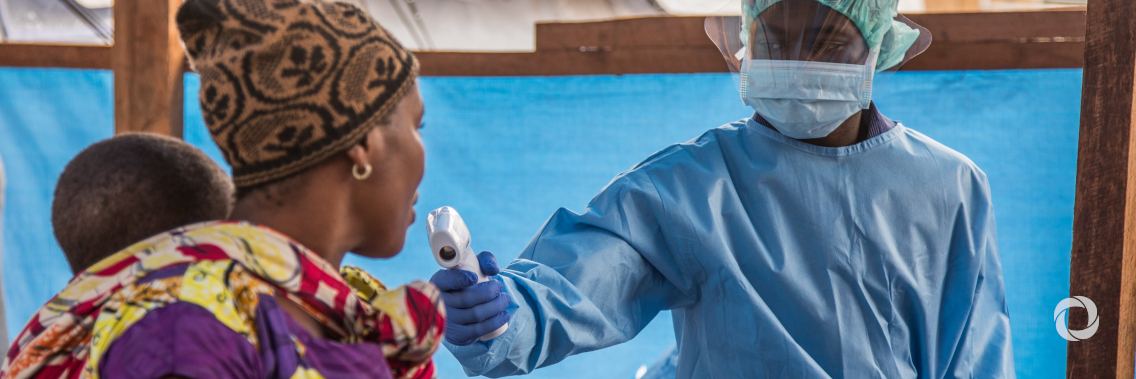
Through USAID’s NGO and UN partners on the ground, the United States is scaling up to providing life-saving assistance in Northwestern DRC’s Équateur Province, where a new outbreak of Ebola was declared on June 1. This assistance includes support for the deployment of rapid-response teams to remote areas, surveillance for cases of the disease, and treatment facilities. Additionally, this assistance will help survivors facing stigmatization, as well as fund continued engagement with communities on prevention and post-outbreak training on safe and dignified burials.
The U.S. Government is the largest-single bilateral donor to the response to Ebola in the DRC. U.S. support and expertise played a major role in helping the Government of the DRC and its partners bring an end to Ebola outbreaks across the country, including the recent epidemic in North Kivu and Ituri Provinces.
Original source: USAID
Published on 7 August 2020