
Add us as your preferred source on Google to see more of our content in Search.
 Add to Preferred Sources
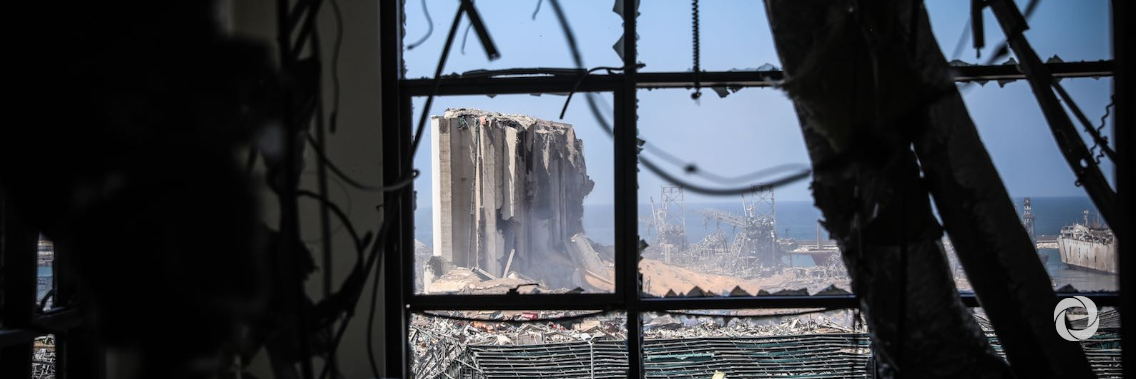
UNHCR, the UN Refugee Agency, is saddened to report that the list of more than 200 fatalities of the deadly and destructive explosion which rocked Beirut on 4 August also includes at least 34 reported refugee victims so far.
The organization continues to work with the rescue teams and other humanitarian partners to identify the victims and is extending support to the families who have lost their loved ones.
This explosion affected everyone, regardless of nationality or status. UNHCR’s immediate humanitarian response to the tragic blast covers the entire community – including Lebanese, refugees, and migrant workers. It focuses on the most vulnerable in the community and on two major areas – shelter and protection.
As part of the inter-agency humanitarian appeal, UNHCR is mobilizing US$12 million for its emergency response to the hardest-hit and most vulnerable households in Beirut. This package includes US$9.6 million for shelter interventions and US$2.44 million for protection activities for the next three months.
Together with other humanitarian partners, UNHCR is working closely with the people of Beirut and the relevant departments to assess the damages and identify the best and most meaningful ways to help. UNHCR’s aid stockpile in the country has not been affected and it includes shelter kits, blankets, plastic sheeting, mattresses, rub halls, and several other critical items that have been made available to the Lebanese Red Cross and other partners on the ground.
An initial door-to-door assessment is underway in the most heavily impacted neighbourhoods and individual distributions of aid to identified people began already on Sunday, 9 August. First estimates indicate that up to 10,000 vulnerable households are likely to have been severely affected by the blast and are in need of urgent support.
Multi-purpose cash remains the most effective option to provide immediate relief and to support rapid repair and reconstruction needs. It will also help with getting food and covering basic needs and health costs. In the medium-term, minor repair, rehabilitation and ‘common area’ improvements will follow.
UNHCR-managed community groups and outreach volunteers, and partners are already trained on PFA and will be reinforced to provide psychological support and link people to community networks. UNHCR stresses the need for steadfast and timely international support for people of Beirut and Lebanon who have been generous hosts to refugees for years, through the challenging times of economic hardship and COVID-19 pandemic.
Original source: UNHCR
Published on 11 August 2020