
Add us as your preferred source on Google to see more of our content in Search.
 Add to Preferred Sources
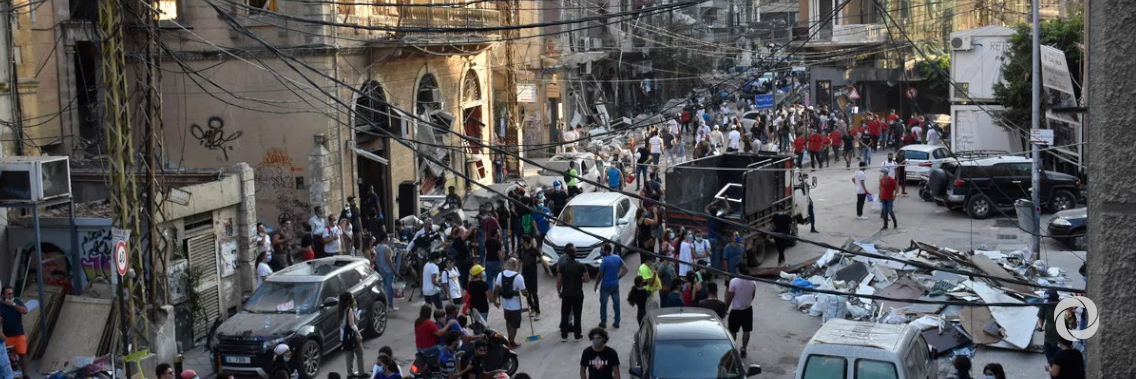
The UN and partners continue to conduct needs assessments and deliver emergency assistance to people most in need in Lebanon following last week’s Beirut blasts.
The World Food Programme (WFP) has prepared 150,000 food parcels for distribution to families affected by the economic crisis and COVID-19 lockdown measures. In addition, WFP will scale up its cash assistance programme in Lebanon tenfold to reach up to 1 million people, including residents directly affected by the blast.
The UN Refugee Agency (UNHCR) has distributed hot meals for 30,000 people, along with food kits for 700 people. Non-food items and hygiene kits has also provided.
Partners of the UN Population Fund (UNFPA) have distributed dignity kits to an estimated 2,000 adolescent girls and women. Forty front-line social workers have been trained to provide psychosocial support to women affected by the Beirut blast.
The UN Children’s Fund (UNICEF) is supporting 720 children and adults with psychosocial support through face to face sessions, phone calls, and door-to-door visits to families.
UNICEF assessments indicate that 20 public Technical and Vocational Education and training schools that cater to about 8,000 adolescents and young persons have been damaged. This is in addition to initial assessments by the Ministry of Education and Higher Education, which have identified 120 public and private schools that have suffered varying degrees of structural damage.
Meanwhile, Lebanon has entered the community transmission phase of COVID-19, with 1,200 cases under investigation. This is particularly concerning for the thousands of youth and volunteers supporting cleaning and rehabilitation services.
Original source: UNOCHA
Published on 12 August 2020