
Add us as your preferred source on Google to see more of our content in Search.
 Add to Preferred Sources
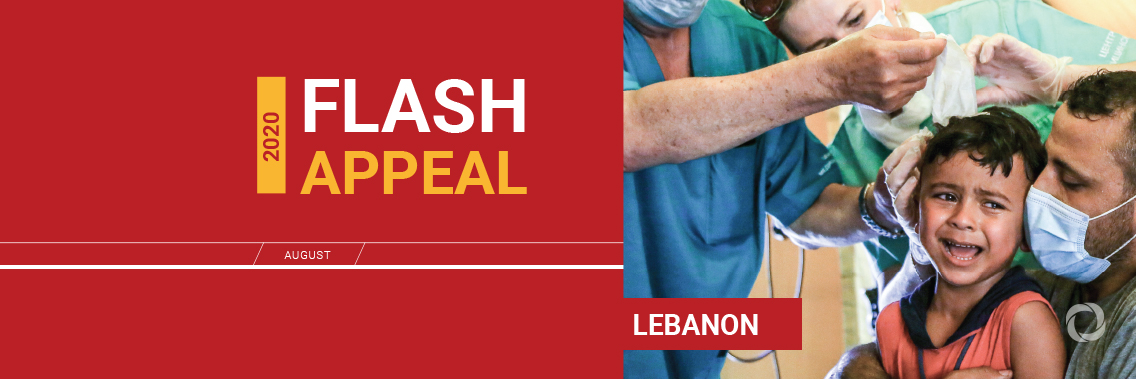
The UN and humanitarian partners have launched a US$565 million appeal to help the people of Lebanon move from immediate life-saving humanitarian relief towards recovery and eventually longer-term economic recovery, following the Beirut Port explosions.
The series of devastating explosions on 4 August destroyed most of the port, flattened surrounding neighbourhoods, damaged six hospitals and more than 20 health clinics, and destroyed 120 schools. It left 178 people dead, 6,568 injured, and thousands homeless.
The appeal seeks funds for humanitarian partners to help people in need in Lebanon by targeting:
- Food security – with the immediate delivery of hot meals and food rations and deliveries to stabilize the national grain supply.
- Health – through the rehabilitation of damaged health facilities, and the provision of trauma kits and essential medications.
- Shelter – by providing cash for shelter for families who relocated due to damage to or destruction of their home and funding the repair of common building areas and facilities that were affected by the blast.
- Education – including repairing schools and providing education supplies and psychological support for children.
The explosions came as Lebanon faces a multi-faceted crisis. In recent months, economic contraction, increasing poverty, and rising prices have compounded needs among Lebanese and non-Lebanese communities, including the large Syrian and Palestine refugee populations. Meanwhile, increasing COVID-19 transmission is straining the country’s health systems. As of 12 August, 7,413 total cases had been recorded. Fifty percent of total infections recorded to date have been diagnosed in the past two weeks alone.
The appeal seeks funds for costs associated with the first two phases of what will be a three-phase response to the explosions. The immediate humanitarian response, which has been swift and wide-ranging, is the first phase. It must quickly move into the second and third phases – recovery, reconstruction, and economic recovery. The second phase will deliver recovery and reconstruction interventions to restore public infrastructure and rehabilitate private homes and stabilize the wider situation. The third element is responding to Lebanon’s pre-existing socioeconomic crisis, which is already exacerbated by COVID-19. This will cost billions of dollars and require a mix of public and private finance.
The humanitarian community is committed to supporting the people of Lebanon at this difficult time. UN agencies and partners – including national and international NGOs, as well as volunteers and local communities – are working round the clock to support the response to the explosions.
The appeal is available here.
Original source: UNOCHA