
Add us as your preferred source on Google to see more of our content in Search.
 Add to Preferred Sources
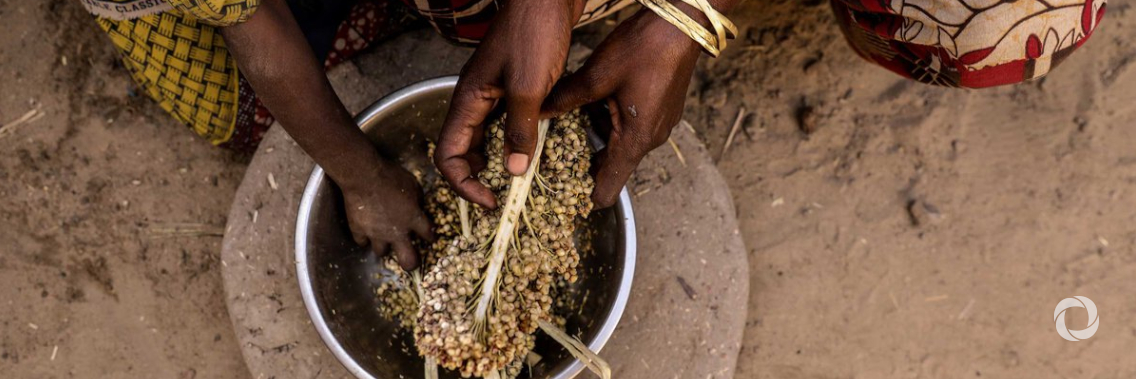
ECOWAS is providing food donations of a total of 3,999 tons of cereals comprising of millet and sorghum to people in Nigeria faced with the effects of the coronavirus pandemic.
The first donation consists of 1,196 tons of cereals financed by the ECOWAS Commission’s Humanitarian Emergency Fund for Disaster and Emergency Relief to Member States affected by a humanitarian crisis while the second donation of 2, 803 tons is funded by the resources of the Regional Food Security Storage Support Project, which the European Union is financing for a total amount of €56 million.
These two donations complement the multidimensional support that ECOWAS has provided to Nigeria since the advent of COVID -19 in the country on February 27, 2020.
The COVID -19 pandemic cuts across all sectors and disrupts production, warehousing, marketing, processing, and distribution systems of agricultural and food products, especially in the North-Eastern part of the Country. In addition, the Harmonized Framework for Identifying Risk Areas and Vulnerability estimates that over 7,087,102 people are currently in difficult food situations in the country, including Internally Displaced Persons and children affected by malnutrition. In this regard, the ECOWAS Commission has therefore decided to provide it with the support of the region through its Humanitarian Emergency Fund and the financial support of the European Union within the framework of the Regional Food Security Storage Support Project.
These food donations will help the most vulnerable households cope with multiple crises while safeguarding their livelihoods.
Recalling that the ECOWAS Humanitarian Policy aims to prevent, mitigate, and provide durable solutions to the complex emergencies and its effects, including natural and man-made disasters in the region. It complements the ECOWAS Disaster Risk Reduction Policy which focuses on disaster risk reduction through the design of interventions aimed at reducing risks as an obstacle to development.
Original source: ECOWAS