
Add us as your preferred source on Google to see more of our content in Search.
 Add to Preferred Sources
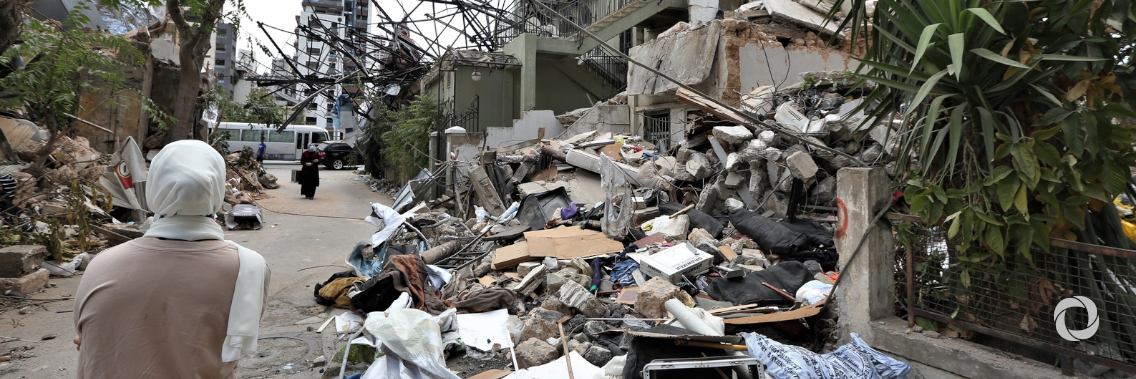
On the afternoon of August 4th, a massive explosion tore through the Lebanese capital, Beirut. The effects of the blast, which took place in the country’s largest port facing one of the most densely populated areas, has left the world in shock. More than two hundred people have died and more than five thousand sustained injuries. Thousands of homes are rendered uninhabitable and more than 300,000 people homeless overnight – approximately 100,000 of them being children. Material damages are estimated at nine billion dollars.
Lebanon hosts the largest number of refugees in the world per capita taking in an estimated 1.5 million Syrian refugees. The already vulnerable population of Lebanon will require emergency support to cover basic needs such as shelter and food as well as psychological support.
Prior to the explosion, The World Bank estimated that more than 60% of the Lebanese population was living under the poverty line, while a recent World Food Program-survey showed that one in five Lebanese families skipped meals or went without food for a whole day. Since September 2019, prices for basic items such as food and shelter have soared by 169%, while unemployment has risen up to 45%.
On top of this economic crisis, Lebanon is facing a second wave of COVID-19. Over the past weeks, the number of COVID cases has grown exponentially. The pandemic was already expected to overwhelm the health sector that is now severely damaged and managing the needs of thousands of injured due to the explosion.
Many households and businesses are damaged, and the impact of the explosion will have a significant impact on the wellbeing of many in Lebanon. This will be most acutely felt by the most vulnerable groups, for whom the protection risks in Lebanon were already severe.
DRC, together with partners and thanks to the rapid support from DANIDA who contributed with 2.8 million DKK, is supporting or planning to support the impacted population with the following initiatives:
- Psychosocial support and stress management services to children, their caregivers, and other vulnerable groups.
- Distribution of emergency cash to people with urgent protection needs.
- Distribution of basic items like cooked and dry food and other hygiene items to vulnerable populations during the initial displacement period.
- Rebuilding houses for the most vulnerable households impacted.
- Emergency grants and economic support for rebuilding impacted businesses.
- Continue protection services where DRC is currently operating outside of Beirut as the explosion, COVID-19 and the economic collapse of the country will worsen the already precarious environment for vulnerable people in Lebanon.
Original source: DRC