
Add us as your preferred source on Google to see more of our content in Search.
 Add to Preferred Sources
The IAEA has delivered support and equipment for the rapid and accurate detection of the coronavirus that causes COVID-19, to 118 countries since the start of the pandemic, contributing to global efforts to manage and reduce the spread of the disease.
Since February, the IAEA has received requests from 126 countries for this support – based on a nuclear-derived method known as real-time reverse transcription–polymerase chain reaction (RT-PCR). RT-PCR is used to detect the presence of specific genetic material in any pathogen, including a virus, and is one of the most widely used laboratory methods for detecting the COVID-19 virus.
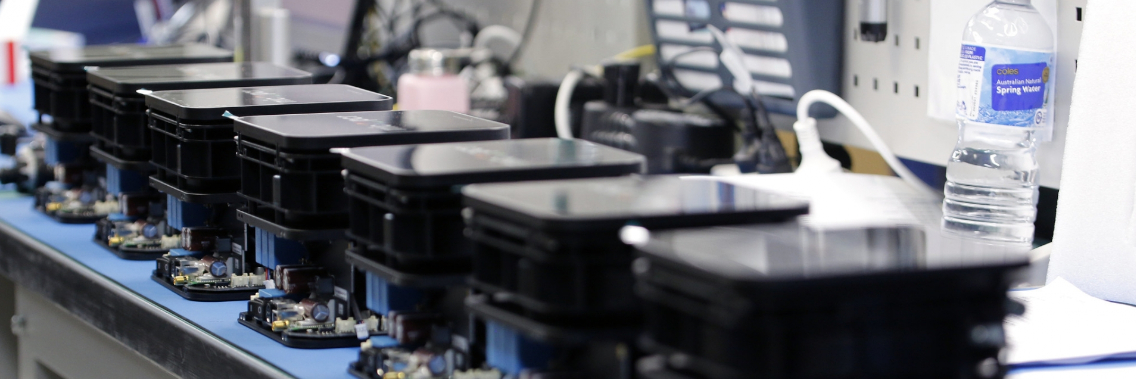
So far, a total of 141 RT-PCR machines have been received in 94 countries, with the remainder receiving related equipment and materials.
Support is being provided through an IAEA technical cooperation project approved in November 2019, which was set up to facilitate the IAEA’s response to increasing requests by Member States for assistance in coping with outbreaks of disease (such as Ebola in Africa, Avian influenzas in Asia, lumpy skin disease in Europe, and Zika virus disease in Latin America), as well as the consequences of devastating natural disasters (such as major earthquakes and floods).
“The project was set up to provide a channel for the rapid delivery of essential support and equipment to relevant institutions in the event of an emergency,” said Emma Webb, Head of the Strategy and Partnership Unit in the IAEA Department of Technical Cooperation. “At the time, no one imagined that a global pandemic was around the corner and that this project would be so well-positioned to provide the necessary assistance.”
With the emergence of COVID-19, the project has become the largest in the history of the Agency’s technical cooperation programme, so far mobilizing €25.7 million in extrabudgetary funding to deliver complete packages of detection equipment to countries around the world. These packages include items such as real-time RT-PCR machines and kits, reagents, laboratory consumables, as well as biosafety supplies, such as personal protective equipment and laboratory cabinets, which are used to ensure the safe handling, storage and analysis of collected samples. New equipment and consumables are arriving at medical and veterinary institutions, as well as other laboratories and diagnostic facilities, on a regular basis.
Original source: IAEA