
Add us as your preferred source on Google to see more of our content in Search.
 Add to Preferred Sources
The Asian Development Bank (ADB) has approved a $125 million loan to help the Philippine government improve its capacity to prevent and control the spread of the coronavirus disease (COVID-19) pandemic.
The Health System Enhancement to Address and Limit (HEAL) COVID-19 Project will enable the Department of Health (DOH) to improve health services across the country through the upgrading of medical equipment and related training.
“This project will help improve the preparedness and resilience of the country’s health systems at the national and local levels in handling current and future public health threats. It will also contribute to the Philippines’ efforts toward implementing universal health coverage,” said ADB Vice-President Ahmed M. Saeed.
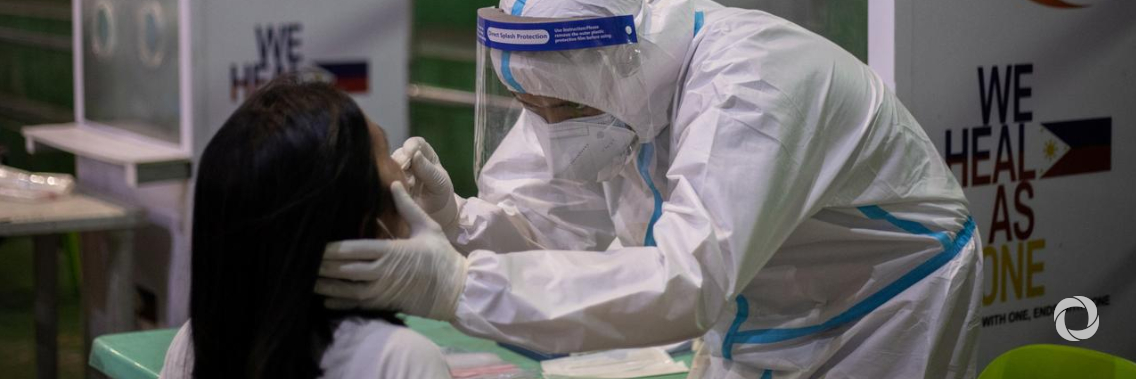
The project will help the government scale up its ability to conduct COVID-19 tests, surveillance, and infection prevention and control, and provide critical care equipment to improve treatment outcomes.
The government is seeking to more than double the daily COVID-19 testing capacity to 75,000 by the end of the year, compared with nearly 31,000 as of 15 August.
The project will provide medical equipment, including electrocardiography machines and defibrillators, to 17 major hospitals across the country and upgrade their laboratories and isolation facilities; provide ventilators to 70 DOH hospitals and 20 island local government hospitals; install computed tomography (CT) scan machines in 33 hospitals nationwide to improve clinical management of COVID-19 cases; deliver test kits, chemicals, and reagents to at least 10 government molecular laboratories to increase their COVID-19 testing capacity; and provide personal protective equipment to frontline health workers and laboratory technicians.
In addition, the project will fund the training of staff and laboratory technicians on how to operate and maintain the equipment. Doctors and nurses in obstetrics, pediatric, and emergency departments will learn how to reduce infection and control virus transmission. Health workers will also learn how to provide psycho-social support to patients and families, including pregnant women and other vulnerable groups affected by COVID-19.
Original source: ADB